
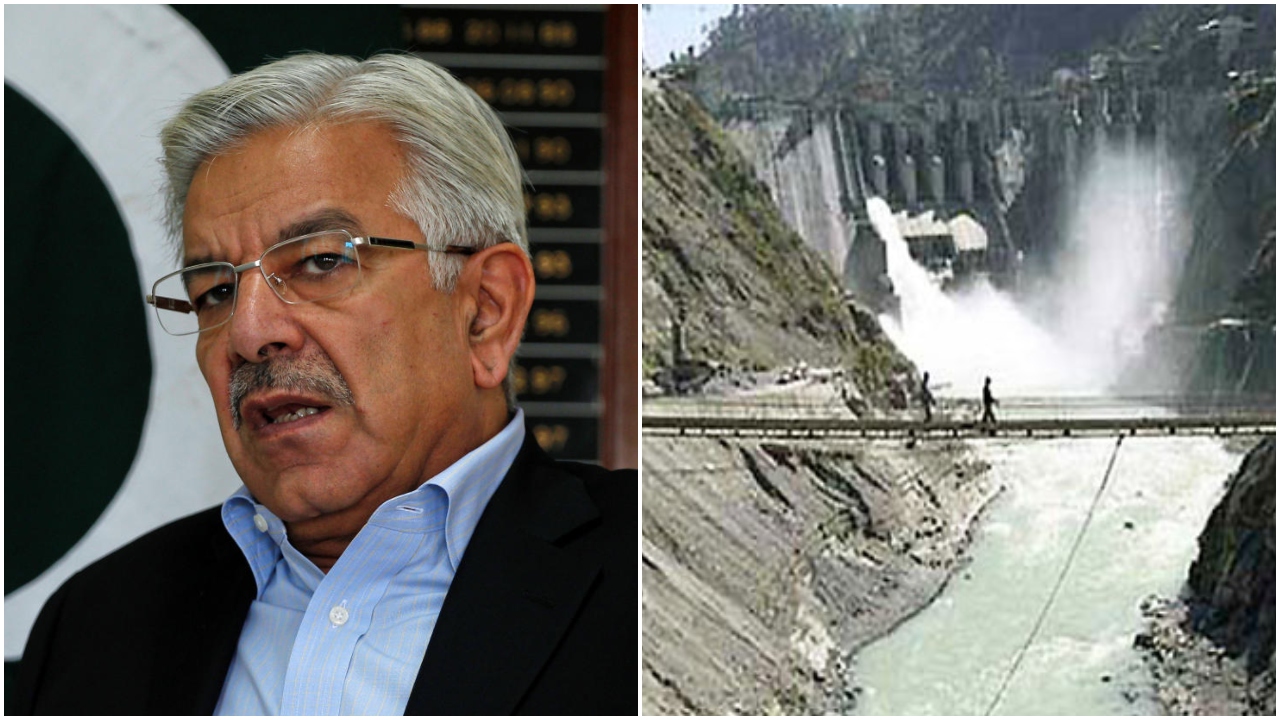
Relations between India and Pakistan have once again come under strain following strong remarks from Pakistan’s Climate Change Minister Musadik Malik regarding the future of the Indus Waters Treaty (IWT). The comments, delivered during a press interaction in Pakistan, reflect the growing tensions between the two neighboring countries over water-sharing arrangements and broader security concerns.
Malik reportedly issued a stern warning against any attempt to restrict Pakistan’s access to waters governed by the decades-old treaty. His remarks came amid an ongoing dispute triggered by India’s decision to keep the Indus Waters Treaty in abeyance following heightened bilateral tensions and concerns over cross-border terrorism.
Pakistan Raises Concerns Over Water Security
During his address, Malik accused India of attempting to control water resources that are vital to Pakistan’s economy and agricultural sector. He claimed that Pakistan would strongly resist any efforts that could threaten its access to river waters flowing under the framework of the treaty.
The minister’s statement is the latest in a series of increasingly forceful comments from Pakistani officials regarding the future of the agreement. Water security has become a major issue in Pakistan’s political discourse, with leaders portraying unrestricted access to the Indus river system as a matter of national interest and strategic importance.
Pakistan relies heavily on the Indus river basin for irrigation and agricultural production. A significant portion of the country’s farmland depends on water originating from rivers covered by the treaty, making any uncertainty regarding water flows a sensitive political and economic issue.
Background: Why the Treaty Is Under Pressure
The current dispute traces back to India’s decision to suspend the implementation of the Indus Waters Treaty after the April 2025 terror attack in Pahalgam, Jammu and Kashmir, which resulted in the deaths of 26 people. The attack significantly worsened already fragile relations between the two countries.
Following the incident, New Delhi adopted a tougher stance toward Islamabad and announced that the treaty would remain suspended until Pakistan takes credible and verifiable action against cross-border terrorist infrastructure.
India has repeatedly maintained that its position on the matter remains unchanged. Officials have argued that continued security concerns make it difficult to proceed with normal bilateral arrangements while terrorism-related issues remain unresolved. 
Earlier Warning From Pakistan’s Defence Minister
Malik’s comments come only days after Pakistan’s Defence Minister Khawaja Asif issued his own warning regarding the treaty. Asif stated that Pakistan would consider all available options if it believed that India was moving rapidly to halt or significantly reduce water flows.
He further described water as a critical national security issue and suggested that any perceived threat to Pakistan’s water interests could trigger a strong response from Islamabad.
These remarks have raised concerns among regional observers, who view the escalating rhetoric as a sign of deteriorating diplomatic engagement between the two nuclear-armed neighbors.
India Rejects Pakistan’s Allegations
India has firmly rejected accusations that it is attempting to weaponize water resources. Responding to earlier statements from Pakistani officials, Indian authorities characterized the allegations as an effort to divert attention from Pakistan’s internal challenges and its record on terrorism-related issues.
Officials in New Delhi have reiterated that the suspension of the treaty is linked directly to national security concerns and that meaningful progress will depend on Pakistan addressing issues that India has repeatedly raised on international platforms.
India has also emphasized that its position is rooted in broader security considerations rather than an intention to deprive Pakistan of essential water resources.
Strategic Importance of the Indus Waters Treaty
Signed in 1960 with international mediation, the Indus Waters Treaty has long been regarded as one of the most enduring agreements between India and Pakistan. Despite multiple wars, military standoffs, and diplomatic crises, the treaty largely survived for decades as a framework governing the use of waters from the Indus river system.
Under the arrangement, Pakistan receives the majority share of waters from the basin, which supports its agricultural sector and food production. The treaty has often been cited as a rare example of sustained cooperation between the two countries despite broader political disputes.
However, recent developments have placed unprecedented pressure on the agreement. Analysts believe the future of the treaty may increasingly depend on improvements in overall India-Pakistan relations, which remain strained by security concerns and a lack of meaningful diplomatic engagement.
Growing Regional Implications
The latest exchange of statements highlights how water resources are becoming an increasingly important geopolitical issue in South Asia. As climate pressures, population growth, and security concerns converge, disputes over shared rivers are likely to remain a major point of contention between India and Pakistan.
While both sides continue to defend their positions, experts warn that prolonged tensions over water-sharing arrangements could further complicate efforts to stabilize relations and resume constructive dialogue.
For now, the Indus Waters Treaty remains at the center of a wider diplomatic and strategic confrontation, with neither side showing signs of backing down from its stated position.