
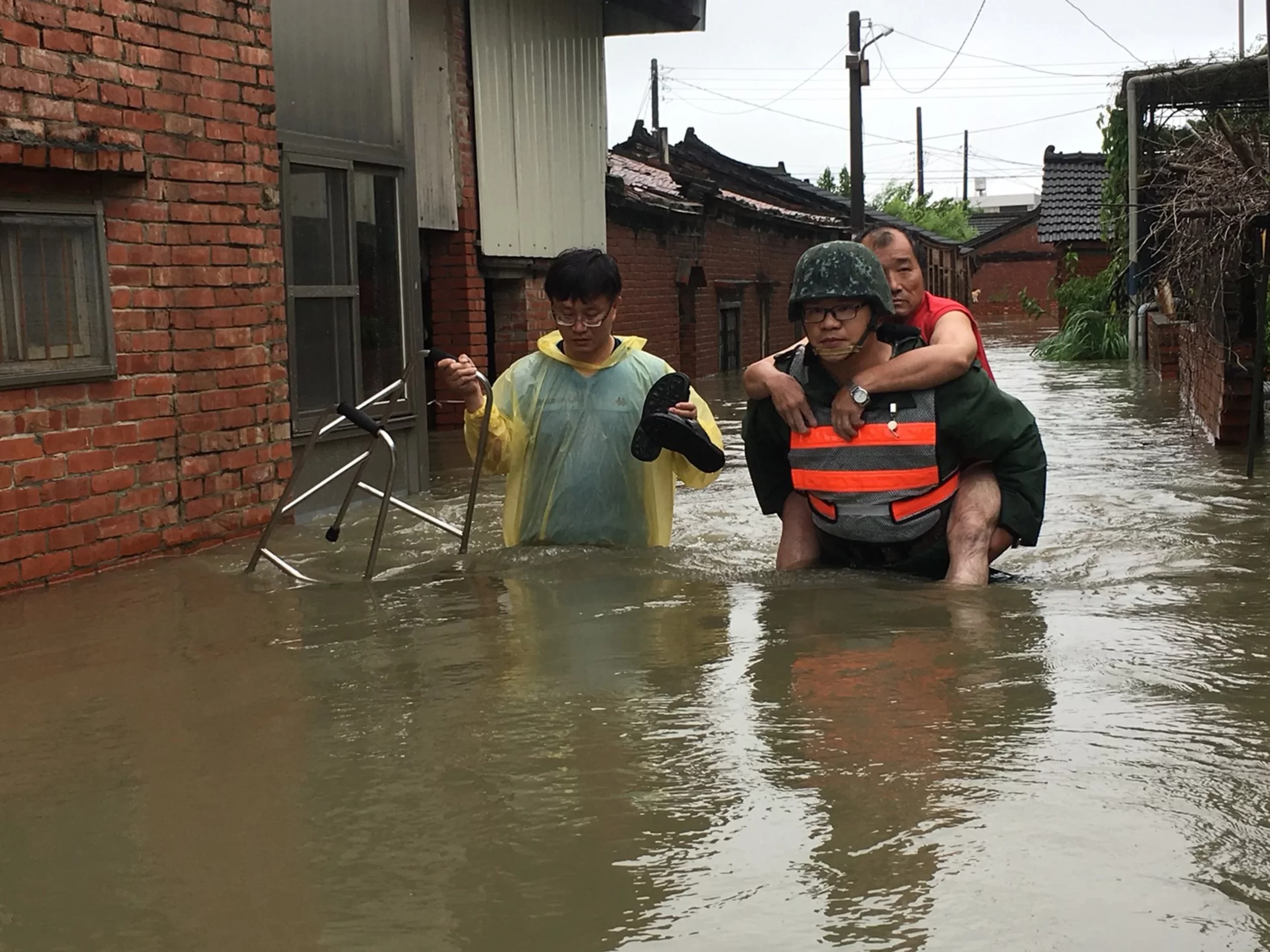
A powerful weather system unleashed widespread disruption across Taiwan and parts of Japan, bringing torrential rainfall, flood threats, transportation interruptions, and heightened concerns over landslides and infrastructure damage. Authorities in both regions mobilized emergency response measures as relentless downpours affected daily life and forced residents to remain on high alert.
The severe weather event, driven by an intense storm system moving through East Asia, dumped significant amounts of rain over a short period, overwhelming drainage networks and increasing the risk of flash floods in vulnerable areas. Government agencies issued warnings and advisories, urging residents to avoid unnecessary travel and remain vigilant as weather conditions continued to deteriorate.
Taiwan Experiences Major Disruptions
Taiwan bore the brunt of the storm’s immediate impact, with heavy rainfall affecting multiple cities and counties. Transportation services faced significant challenges as roads became waterlogged and visibility dropped due to continuous rain.
Authorities temporarily suspended or adjusted several public services to ensure public safety. Schools, offices, and transportation networks in some regions experienced disruptions as officials prioritized emergency preparedness and response efforts. Residents were advised to stay indoors where possible and monitor official weather updates.
The persistent rainfall also raised fears of landslides in mountainous and rural regions. Emergency teams closely monitored areas historically prone to slope failures and soil erosion, while local governments prepared evacuation plans in case conditions worsened.
Water accumulation in urban centers led to localized flooding, creating challenges for motorists and commuters. Emergency personnel worked to clear blocked drainage systems and respond to reports of flooding in residential and commercial districts.
Japan Issues Flood and Landslide Warnings
Across the East China Sea, Japanese authorities issued flood alerts and landslide warnings as the same weather system brought intense rainfall to several regions. Meteorological agencies warned that additional precipitation could significantly increase the risk of rivers overflowing and hillsides becoming unstable.
Residents in affected prefectures were urged to pay close attention to evacuation notices and weather advisories. Local governments activated disaster response protocols and coordinated with emergency services to prepare for potential rescue and relief operations.
Officials warned that even areas not currently experiencing severe flooding could face sudden deterioration in conditions if rainfall intensity increased. Authorities stressed that saturated ground conditions could trigger landslides with little warning, particularly in mountainous terrain. 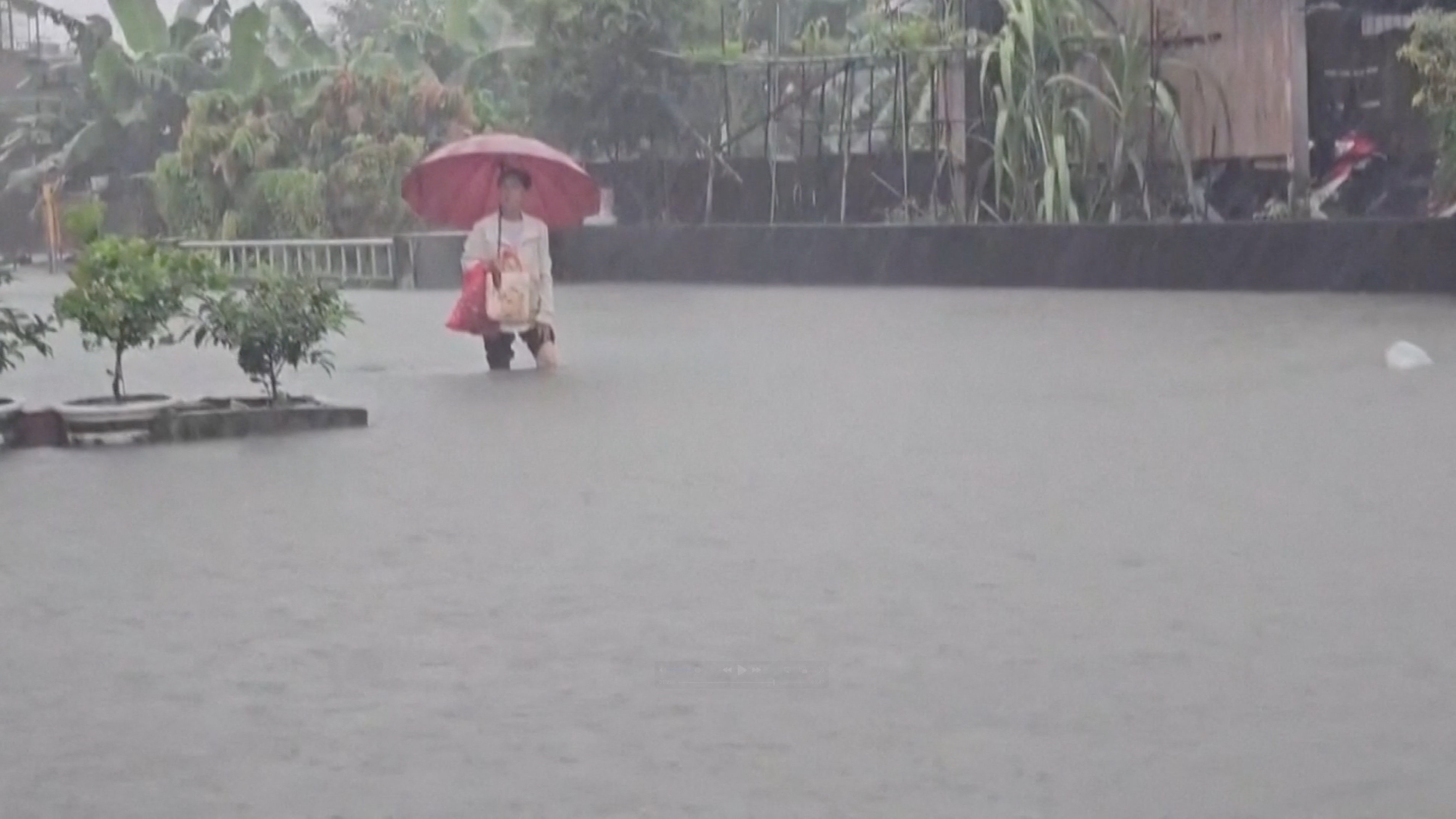
Transportation and Infrastructure Under Pressure
The storm placed considerable strain on transportation infrastructure across both Taiwan and Japan. Rail services, road networks, and air travel schedules experienced disruptions as operators sought to maintain safety amid hazardous weather.
Flooded roads and reduced visibility created difficult driving conditions, while strong winds accompanying the rainfall further complicated transportation operations. Emergency crews remained on standby to address incidents related to fallen trees, blocked roadways, and localized infrastructure damage.
Public transportation providers advised passengers to expect delays and monitor service updates as weather conditions evolved throughout the day.
Emergency Services Mobilized
Authorities in both territories deployed emergency response teams to monitor high-risk areas and provide assistance where necessary. Disaster management agencies coordinated closely with local governments to ensure rapid response capabilities in case of flooding, landslides, or other weather-related emergencies.
Shelters and emergency resources were prepared for communities facing heightened risks. Officials emphasized the importance of preparedness, encouraging residents to secure emergency supplies and follow instructions from local authorities.
Meteorologists continued to track the movement and intensity of the storm system, warning that additional rainfall could prolong hazardous conditions and increase the likelihood of flooding in already affected areas.
Growing Concerns Over Extreme Weather Events
The latest storm highlights the increasing challenges posed by extreme weather events across the Asia-Pacific region. Intense rainfall episodes have become a recurring concern for governments and disaster management agencies, particularly in areas vulnerable to flooding and landslides.
Experts note that densely populated urban areas, combined with mountainous landscapes and seasonal weather patterns, can significantly amplify the impact of heavy rainfall. As a result, authorities continue investing in early warning systems, emergency preparedness measures, and infrastructure resilience to reduce future risks.
While emergency crews worked to mitigate immediate dangers, residents across Taiwan and Japan remained focused on weather forecasts and official advisories as the powerful storm system continued to move through the region.
Officials warned that conditions could change rapidly and urged the public to remain cautious until the threat from heavy rainfall and potential flooding had fully passed.