
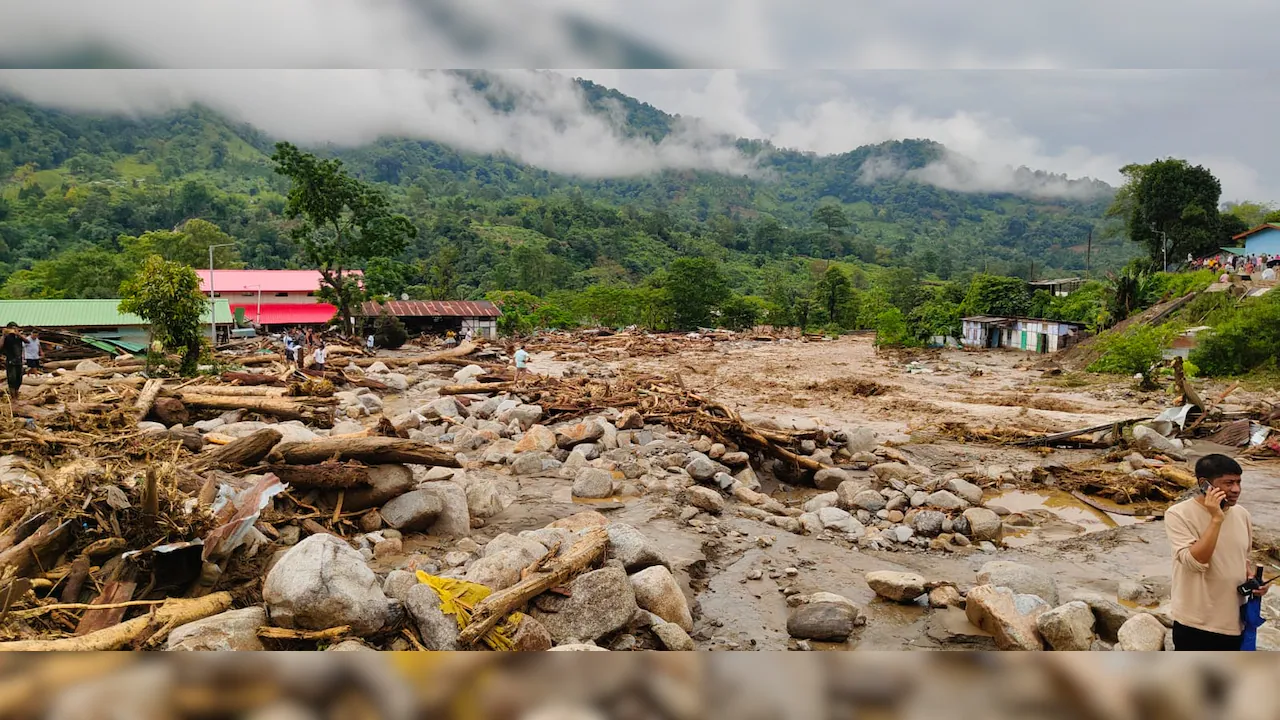
Torrential rainfall across India’s northeastern region has triggered a severe flood situation in Arunachal Pradesh, where flash floods, landslides, and rising river levels have disrupted normal life and damaged infrastructure. The worsening weather conditions have also prompted authorities in neighboring Assam to issue a high alert as water levels in several rivers continue to rise amid sustained monsoon activity.
The relentless downpour has affected multiple districts in Arunachal Pradesh, causing widespread concern among residents and disaster management agencies. Emergency teams have been deployed to vulnerable areas as authorities work to assess the extent of the damage and prevent further loss of life and property.
Heavy Rainfall Triggers Flood Emergency
Continuous rainfall over several days led to sudden surges in rivers and streams across Arunachal Pradesh, resulting in flash floods in low-lying areas. Fast-flowing water inundated roads, damaged bridges, and cut off access to several remote villages.
Many regions witnessed severe waterlogging, forcing residents to move to safer locations. Local administrations activated emergency response mechanisms and coordinated with disaster management agencies to provide assistance to affected communities.
Officials reported that transportation networks suffered significant disruption as landslides blocked major roads and highways, making rescue and relief operations more challenging. Earth-moving equipment and emergency crews were dispatched to clear debris and restore connectivity wherever possible.
Landslides Add to the Crisis
The mountainous terrain of Arunachal Pradesh makes the state particularly vulnerable to landslides during periods of intense rainfall. Several incidents of slope failures were reported, with rocks, mud, and debris sliding onto roads and settlements.
Authorities expressed concern that continued rainfall could trigger additional landslides in vulnerable areas. Residents living near hill slopes and riverbanks were advised to remain vigilant and follow safety advisories issued by local administrations.
The disruption caused by landslides has also affected supply chains and transportation routes, raising concerns about access to essential goods and emergency services in remote locations. 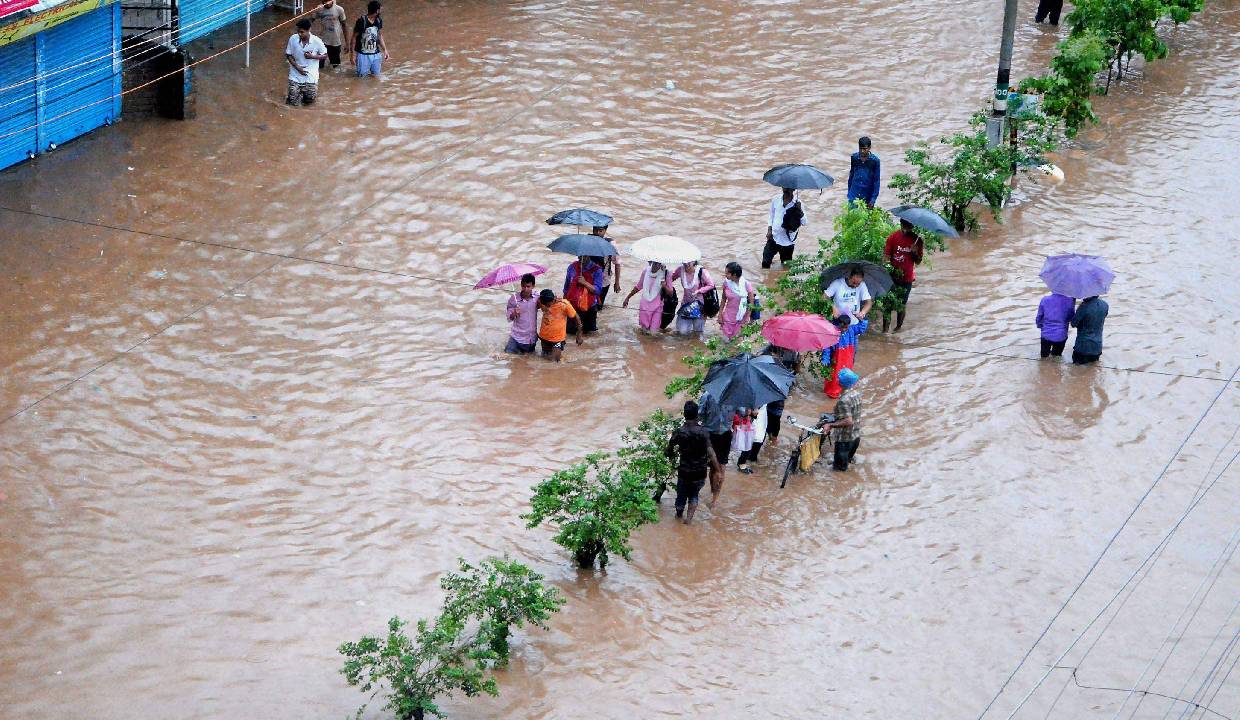
Rivers Swell Across the Region
Hydrological monitoring agencies have reported a sharp rise in river levels across parts of Arunachal Pradesh and Assam. The intense rainfall in upstream catchment areas has increased water discharge into major rivers, creating flood risks downstream.
Officials are closely monitoring river systems that flow from Arunachal Pradesh into Assam, where authorities fear that continued inflows could worsen the flood situation in several districts. Water levels approaching danger marks have prompted heightened surveillance and preparedness measures.
Communities living in flood-prone regions have been advised to stay informed about weather updates and evacuation notices.
Assam Issues High Alert
In response to the deteriorating situation upstream, the Assam government has placed several districts on high alert. Disaster response teams have been mobilized, and district administrations have been instructed to remain prepared for potential flooding.
Authorities are monitoring embankments, riverbanks, and vulnerable settlements to ensure timely intervention if water levels continue to rise. Relief materials, rescue boats, and emergency equipment have been positioned in strategic locations to facilitate rapid response.
The state’s disaster management machinery remains on standby to assist residents in the event of large-scale flooding. Officials have urged citizens to avoid unnecessary travel in flood-prone areas and to cooperate with local authorities.
Impact on Communities and Infrastructure
The heavy rainfall has significantly affected daily life across the region. Schools, businesses, and transportation services have faced disruptions as authorities prioritize public safety. Floodwaters have entered residential areas in some locations, damaging homes, agricultural land, and public infrastructure.
Farmers are particularly concerned about the impact of excessive rainfall on crops and livelihoods. Agricultural fields submerged under water may suffer losses if flooding persists for an extended period.
Infrastructure such as roads, culverts, and bridges has also sustained damage, raising concerns about long-term repair and rehabilitation costs. 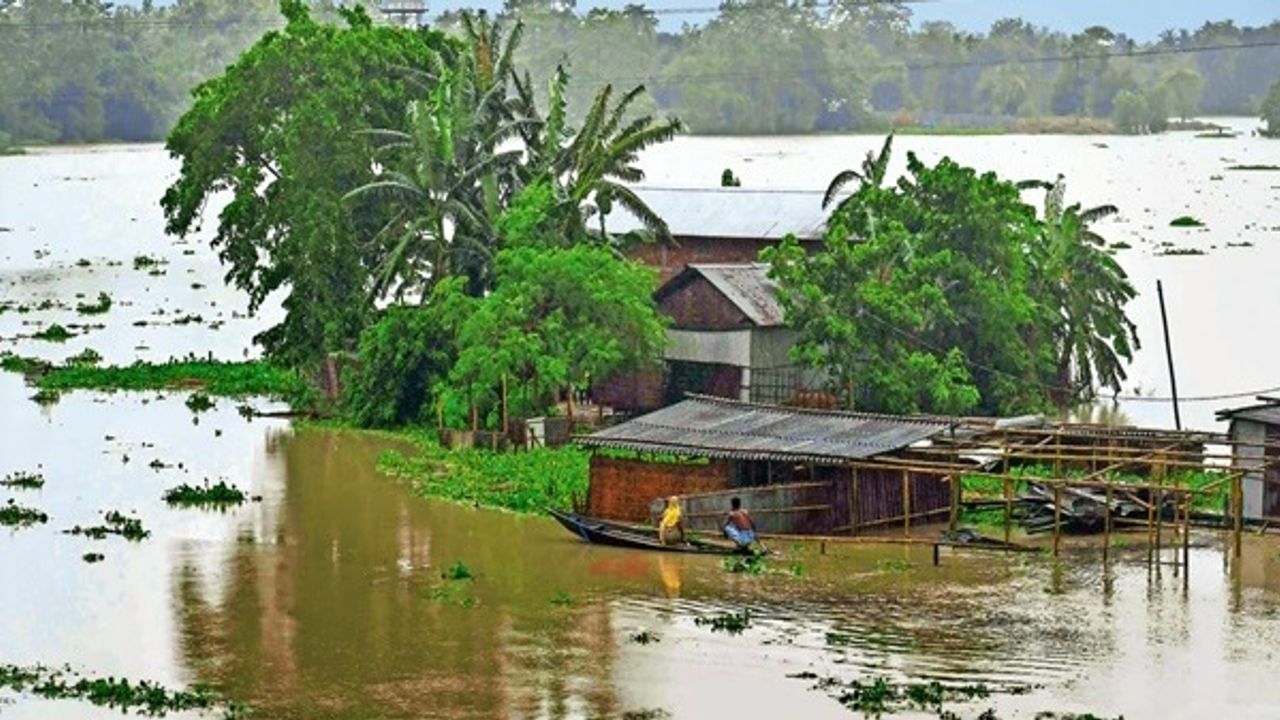
Emergency Response Intensified
State and district authorities have intensified rescue and preparedness efforts to address the unfolding situation. Disaster response personnel, police, and local administration officials are conducting field assessments and coordinating relief measures.
Emergency shelters have been identified in vulnerable areas, while communication channels have been strengthened to ensure residents receive timely information. Authorities are also monitoring weather forecasts closely to anticipate further developments.
The focus remains on protecting lives, restoring essential services, and minimizing the impact of the disaster on affected communities.
Weather Outlook Remains Concerning
Meteorological forecasts indicate that parts of Northeast India may continue to experience heavy to very heavy rainfall in the coming days. This raises the possibility of additional flooding, landslides, and river swelling across the region.
Experts warn that saturated soil conditions increase the likelihood of further slope failures, while continued rainfall could exacerbate existing flood conditions. Authorities have urged residents to remain alert, avoid risky travel, and follow official advisories.
As emergency agencies continue their response efforts, the unfolding weather situation remains a major challenge for Arunachal Pradesh and Assam, with officials closely monitoring conditions to safeguard vulnerable populations and critical infrastructure.