
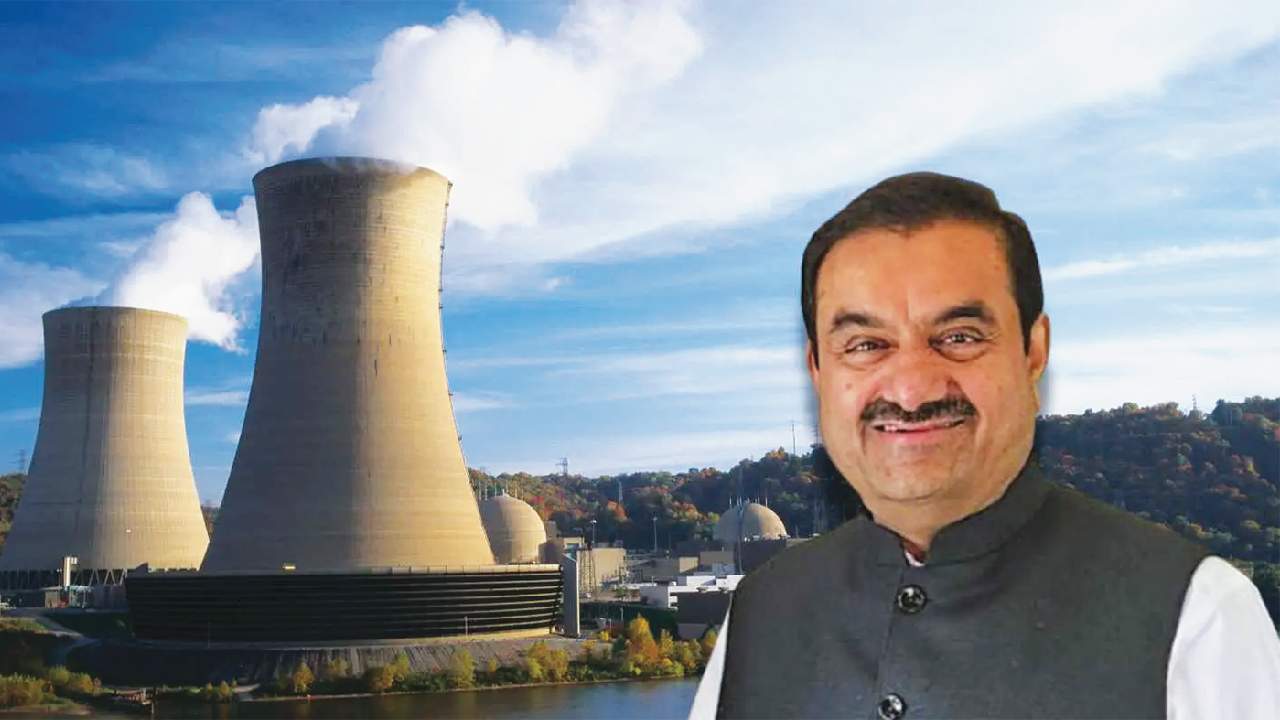
The Adani Group has announced plans to develop up to 10 gigawatts (GW) of nuclear power generation capacity by 2035, signaling one of the most ambitious moves yet by a private Indian conglomerate into the country’s emerging nuclear energy sector. The announcement reflects the group’s broader strategy to diversify its energy portfolio while supporting India’s long-term clean energy and energy security goals.
The proposed expansion comes at a time when India is accelerating efforts to increase non-fossil fuel electricity generation and reduce dependence on conventional fossil fuels. Nuclear energy is increasingly being viewed as a critical component of the country’s future energy mix because of its ability to provide stable, round-the-clock power with low carbon emissions.
A Strategic Shift Toward Long-Term Clean Energy
Speaking about the group’s future energy vision, Gautam Adani highlighted the growing importance of reliable and sustainable power infrastructure in supporting India’s economic growth. The planned nuclear capacity addition is expected to complement the conglomerate’s extensive investments in renewable energy, transmission networks, ports, logistics, and other strategic infrastructure sectors.
The move demonstrates a significant evolution in the group’s clean energy strategy. While solar and wind power remain central to its renewable energy ambitions, nuclear energy offers a dependable baseload power source capable of operating continuously regardless of weather conditions. This makes it an attractive option for meeting rising electricity demand while maintaining grid stability.
India’s Nuclear Sector Opening New Opportunities
The announcement comes amid a broader transformation of India’s nuclear energy landscape. For decades, nuclear power generation remained largely under government control. Recent policy initiatives and legislative reforms aimed at encouraging private sector participation have created new opportunities for major industrial groups to enter the sector.
The government’s long-term vision includes a substantial increase in national nuclear power capacity as part of India’s commitment to achieving cleaner energy production and strengthening energy independence. Industry observers believe that greater private investment could accelerate project development, technology adoption, and capacity expansion. 
Why Nuclear Energy Matters
Nuclear power is increasingly gaining attention as countries seek reliable alternatives to carbon-intensive electricity generation. Unlike solar and wind projects, which depend on weather conditions, nuclear reactors can generate electricity continuously throughout the year.
For India, which continues to experience rapid industrial growth, urbanization, and rising electricity consumption, nuclear power offers several advantages:
- Consistent baseload electricity generation.
- Lower greenhouse gas emissions compared with coal-based power.
- Enhanced energy security through diversified power sources.
- Support for long-term industrial and economic growth.
- Reduced dependence on imported fossil fuels.
These factors are driving renewed interest in nuclear energy as a key pillar of the country’s energy transition strategy.
Integration with Broader Energy Goals
The proposed 10 GW nuclear capacity target aligns with the Adani Group’s broader investments across the energy value chain. The conglomerate has already established a substantial presence in renewable energy generation, power transmission, distribution, and energy infrastructure development.
Industry analysts view the planned nuclear expansion as part of a larger effort to create a diversified energy portfolio capable of meeting future demand while supporting India’s climate objectives. By combining renewable energy assets with nuclear power generation, the group aims to contribute to a more balanced and resilient electricity system.
Challenges Ahead
Despite the strong growth potential, developing large-scale nuclear power projects presents significant challenges. These include regulatory approvals, technology partnerships, financing requirements, safety standards, land acquisition considerations, and lengthy construction timelines.
Nuclear projects typically require substantial capital investment and long development periods before commercial operations begin. Successful implementation will depend on continued policy support, regulatory clarity, and collaboration between government agencies, technology providers, and private investors.
Looking Toward 2035
If achieved, the 10 GW target would establish the Adani Group as one of the leading private-sector participants in India’s nuclear energy industry. The initiative also underscores the growing role of private capital in supporting the country’s energy transition and infrastructure expansion.
As India seeks to balance rising power demand with environmental sustainability, nuclear energy is expected to play an increasingly important role alongside solar, wind, hydroelectric, and other clean energy technologies. The Adani Group’s latest announcement signals confidence in the sector’s long-term potential and highlights the scale of investment likely to shape India’s energy future over the coming decade.
With the country pursuing ambitious clean energy goals and expanding opportunities for private participation, the proposed nuclear power build-out could become a significant milestone in India’s journey toward a more secure, diversified, and low-carbon energy system.