

The Indian rupee continued its downward trajectory on Monday, slipping to 94.48 against the U.S. dollar as mounting global currency pressures, investor caution, and broader economic uncertainties weighed heavily on emerging market currencies. The decline reflects ongoing challenges in international financial markets, where a strengthening dollar and shifting capital flows have increased pressure on several developing economies.
Market participants noted that the rupee’s weakness was influenced by a combination of external and domestic factors. A resilient U.S. economy, expectations surrounding interest rate policies in major economies, and elevated demand for dollar-denominated assets have contributed to a stronger greenback, making it difficult for emerging market currencies to maintain stability.
Global Factors Drive Dollar Strength
Currency analysts pointed to the continued strength of the U.S. dollar as one of the primary reasons behind the rupee’s depreciation. Investors worldwide have increasingly favored dollar assets amid persistent geopolitical uncertainties and concerns over global economic growth.
The dollar’s dominance in international trade and finance often leads to increased demand during periods of market volatility. As a result, currencies such as the rupee face additional pressure when global investors shift capital toward perceived safe-haven assets.
Financial markets have also been closely monitoring developments in major economies, particularly the United States, where monetary policy expectations continue to influence global currency movements. Any indication that interest rates may remain elevated for longer tends to support the dollar, attracting foreign investment and strengthening its position against other currencies.
Impact on Indian Markets
The weakening rupee has implications across multiple sectors of the Indian economy. Import-dependent industries may experience increased costs as a stronger dollar raises the price of imported goods and raw materials. Sectors reliant on crude oil imports are particularly sensitive to currency fluctuations, given India’s substantial energy requirements.
Higher import costs can potentially contribute to inflationary pressures if businesses pass increased expenses on to consumers. This remains a key concern for policymakers seeking to maintain price stability while supporting economic growth.
At the same time, certain export-oriented industries could benefit from a weaker rupee. Companies earning revenue in foreign currencies may see improved realizations when converting overseas earnings into rupees, potentially enhancing profitability in sectors such as information technology, pharmaceuticals, and select manufacturing industries. 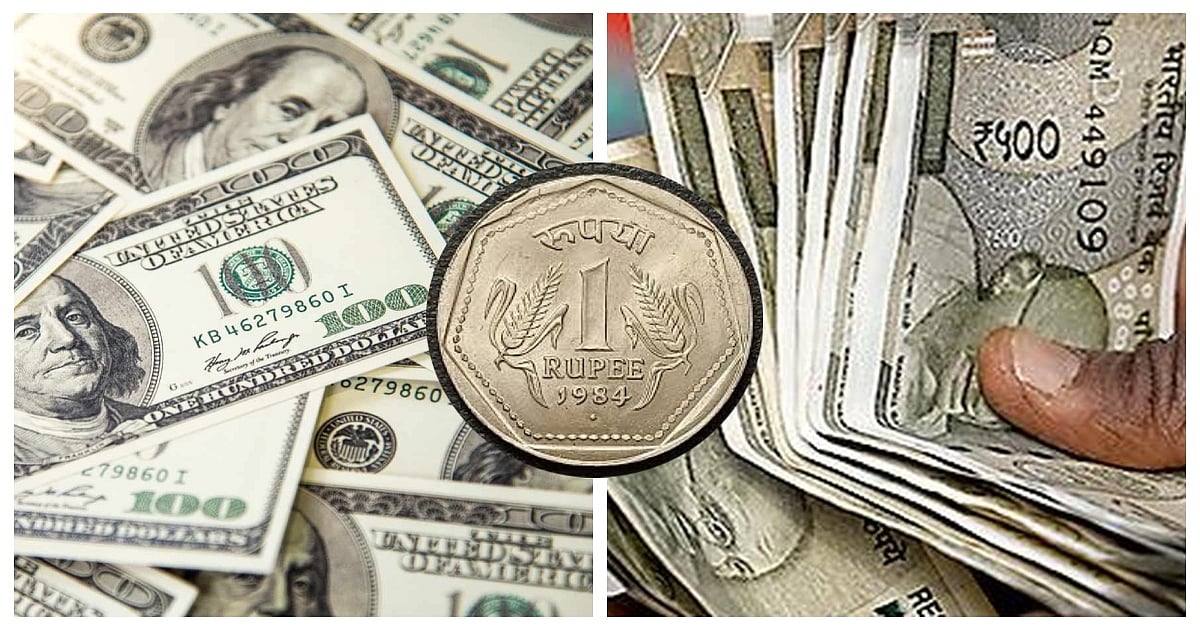
Foreign Investor Sentiment Remains Crucial
Foreign portfolio investment continues to play a significant role in determining currency market trends. Any sustained outflow of foreign capital can add pressure on the rupee by increasing demand for dollars.
Investors remain attentive to global risk sentiment, interest rate differentials, and economic data releases that could influence future investment decisions. Changes in these factors often have a direct impact on currency markets, affecting both exchange rates and capital flows.
Market experts suggest that maintaining strong macroeconomic fundamentals, stable growth prospects, and adequate foreign exchange reserves remains essential for supporting investor confidence and mitigating excessive currency volatility.
Role of the Reserve Bank of India
The Reserve Bank of India (RBI) is expected to continue monitoring currency movements closely. The central bank has historically intervened in foreign exchange markets when necessary to curb excessive volatility and ensure orderly market functioning.
India’s foreign exchange reserves provide an important buffer against external shocks, helping authorities manage periods of heightened market stress. While exchange rate movements are influenced by global factors, the availability of reserves offers policymakers flexibility in addressing abrupt fluctuations.
Analysts believe the RBI will remain vigilant in balancing currency stability with broader economic objectives, particularly amid uncertain global financial conditions.
Broader Economic Outlook
Despite the rupee’s recent weakness, economists note that currency movements should be viewed within the context of broader global trends. Many emerging market currencies have faced similar challenges due to the strength of the U.S. dollar and shifting international investment patterns.
India’s long-term economic outlook continues to be supported by strong domestic demand, infrastructure investment, and ongoing reforms aimed at enhancing productivity and competitiveness. However, external factors such as commodity prices, global growth conditions, and international monetary policies will remain key determinants of currency performance in the coming months.
Market observers expect currency volatility to persist as investors evaluate evolving economic data, central bank actions, and geopolitical developments. The trajectory of the rupee will likely depend on the interplay between domestic economic resilience and external financial pressures.
Conclusion
The Indian rupee’s decline to 94.48 against the U.S. dollar underscores the challenges facing emerging market currencies in an environment characterized by global uncertainty and dollar strength. While external pressures continue to influence exchange rate movements, India’s economic fundamentals, foreign exchange reserves, and policy measures are expected to play a critical role in navigating market volatility. Investors and businesses will remain focused on global developments and domestic policy responses as they assess the future direction of the currency.