
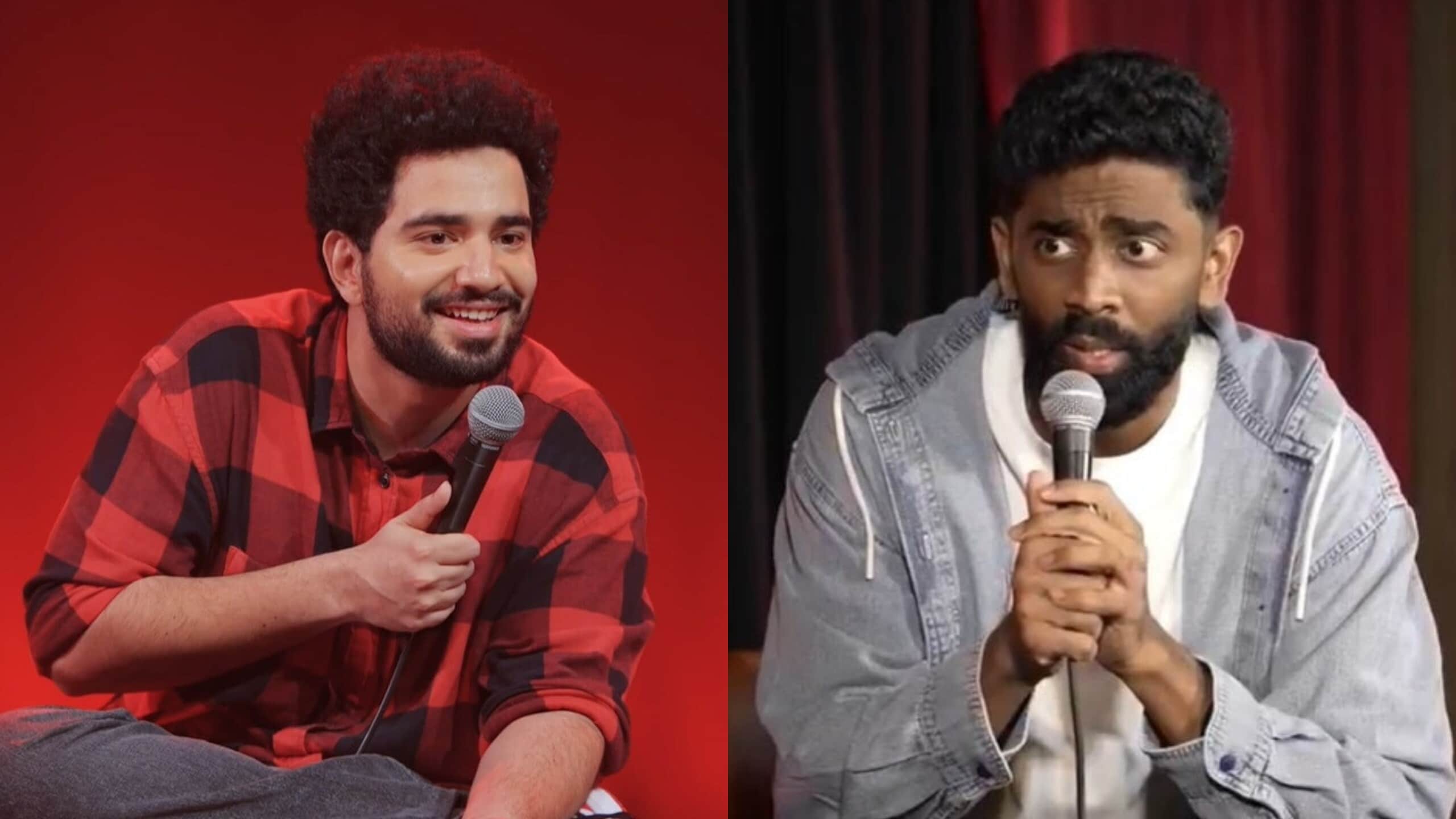
Comedian and content creator Samay Raina has once again found himself at the center of a viral conversation after a recent episode of the popular comedy show India’s Got Latent featured a controversial remark that sparked criticism from viewers. The incident has generated significant discussion across social media platforms, with many praising Raina for stepping in and publicly challenging what was widely perceived as a misogynistic joke.
The moment unfolded during a segment involving comedian Pranit More, whose comments about actresses Alia Bhatt and Sharvari quickly drew attention. As the exchange progressed, Raina intervened, expressing his disapproval of the statement and making it clear that he did not endorse the line of humor being pursued.
Controversial Comment Sparks Immediate Reaction
During the episode, Pranit More made a joke referencing a monetary amount and a plate of biryani while discussing Bollywood actresses Alia Bhatt and Sharvari. The comment was interpreted by many viewers as disrespectful and objectifying, leading to immediate reactions from both the audience present at the show and viewers online after clips from the episode began circulating.
Recognizing the sensitivity of the remark, Samay Raina interrupted the exchange and questioned the appropriateness of the joke. His response shifted the tone of the conversation and highlighted the growing scrutiny faced by comedians regarding content that may be viewed as sexist or discriminatory.
The interaction quickly became one of the most discussed moments from the episode, with short video clips spreading widely across social media and entertainment forums.
Samay Raina’s Response Gains Support
Many viewers applauded Raina for taking a stand against humor that appeared to target women in a derogatory manner. Supporters argued that his intervention demonstrated a willingness to maintain certain boundaries within comedy while still allowing room for creative expression.
Several social media users noted that comedy can be provocative without relying on jokes that reinforce negative stereotypes about women. They viewed Raina’s reaction as an example of comedians holding each other accountable in real time rather than ignoring potentially offensive material.
The incident has further strengthened discussions about the responsibilities of performers and show hosts in moderating content, especially in digital entertainment formats that attract millions of viewers. 
Debate Over the Limits of Comedy
The controversy has reignited a long-running debate about where the line should be drawn in comedy. While some audience members argued that stand-up comedy often relies on shock value and controversial subjects, others maintained that humor should evolve alongside changing social attitudes.
Critics of the joke argued that targeting women through objectifying comments contributes to harmful cultural narratives. Meanwhile, defenders of unrestricted comedy suggested that comedians should be allowed greater creative freedom and that audiences can choose what content they consume.
The differing viewpoints reflect a broader conversation taking place across the entertainment industry, where creators increasingly face questions about balancing artistic freedom with social responsibility.
Social Media Amplifies the Discussion
As clips from the episode gained traction online, the controversy expanded beyond the show’s regular audience. Hashtags and discussion threads emerged across various platforms, with users analyzing both the original joke and Raina’s response.
Many commenters highlighted that the most notable aspect of the incident was not the controversial remark itself, but the immediate pushback it received. Others argued that such moments demonstrate how audience expectations around comedy have changed in recent years.
The viral nature of the clip ensured that the conversation reached a much wider audience, turning a brief exchange on a comedy program into a larger cultural discussion.
Growing Attention on Digital Comedy Platforms
The episode also underscores the increasing influence of digital comedy platforms and independent entertainment shows. Programs like India’s Got Latent have cultivated dedicated fan communities and attract significant online engagement, meaning that controversial moments can rapidly become national talking points.
With millions of viewers consuming content through streaming platforms and social media, comedians and creators often find themselves under heightened public scrutiny. As a result, debates over acceptable humor, representation, and accountability are becoming more common within the industry.
Conclusion
The controversy surrounding the joke on India’s Got Latent has once again highlighted the evolving relationship between comedy, audience expectations, and social responsibility. While opinions remain divided on the boundaries of humor, Samay Raina’s decision to challenge the remark during the show has earned considerable attention and sparked a broader conversation about gender sensitivity in entertainment.
As online audiences continue to engage with and dissect viral moments, incidents like these are likely to remain part of the ongoing debate over how comedy can entertain while navigating increasingly complex social expectations.