

The United States has outlined its key objectives ahead of a new round of diplomatic engagement with Iran, placing nuclear transparency and international oversight at the center of discussions as representatives from both countries convene in Switzerland. The talks are being viewed as a significant attempt to ease long-standing tensions and explore pathways toward stability in the Middle East amid growing concerns over Iran’s nuclear activities.
Senior American officials have emphasized that one of Washington’s primary goals is to secure greater access for international inspectors to Iranian nuclear facilities. The administration believes enhanced monitoring and verification mechanisms are essential for rebuilding trust and ensuring that Iran’s nuclear program remains exclusively peaceful.
Focus on Nuclear Inspections
According to officials familiar with the discussions, the United States wants Iran to agree to expanded inspections of its nuclear infrastructure. Such inspections would allow international monitoring agencies to verify compliance with existing commitments and provide greater transparency regarding nuclear activities.
The proposal reportedly includes financial and technical support aimed at strengthening inspection capabilities and ensuring that verification procedures are conducted efficiently. American negotiators argue that increased transparency could reduce regional tensions and create a foundation for broader diplomatic progress.
Washington maintains that robust inspection mechanisms are necessary to prevent misunderstandings and reduce the risk of escalation. The issue has remained a central point of contention in US-Iran relations for years, particularly following disputes over uranium enrichment levels and access to sensitive facilities.
Switzerland Hosts High-Stakes Negotiations
The choice of Switzerland as the venue reflects its longstanding role as a neutral diplomatic hub. Swiss officials have frequently facilitated communication between countries with strained relations, making the country a preferred location for sensitive international negotiations.
Diplomats from both sides arrived with cautious expectations. While neither delegation has publicly predicted a breakthrough, participants have indicated that the talks are intended to establish a framework for future discussions and identify areas where cooperation may be possible.
Observers note that even limited progress could help lower tensions and reopen channels of communication that have often been disrupted by geopolitical disputes and regional security concerns. 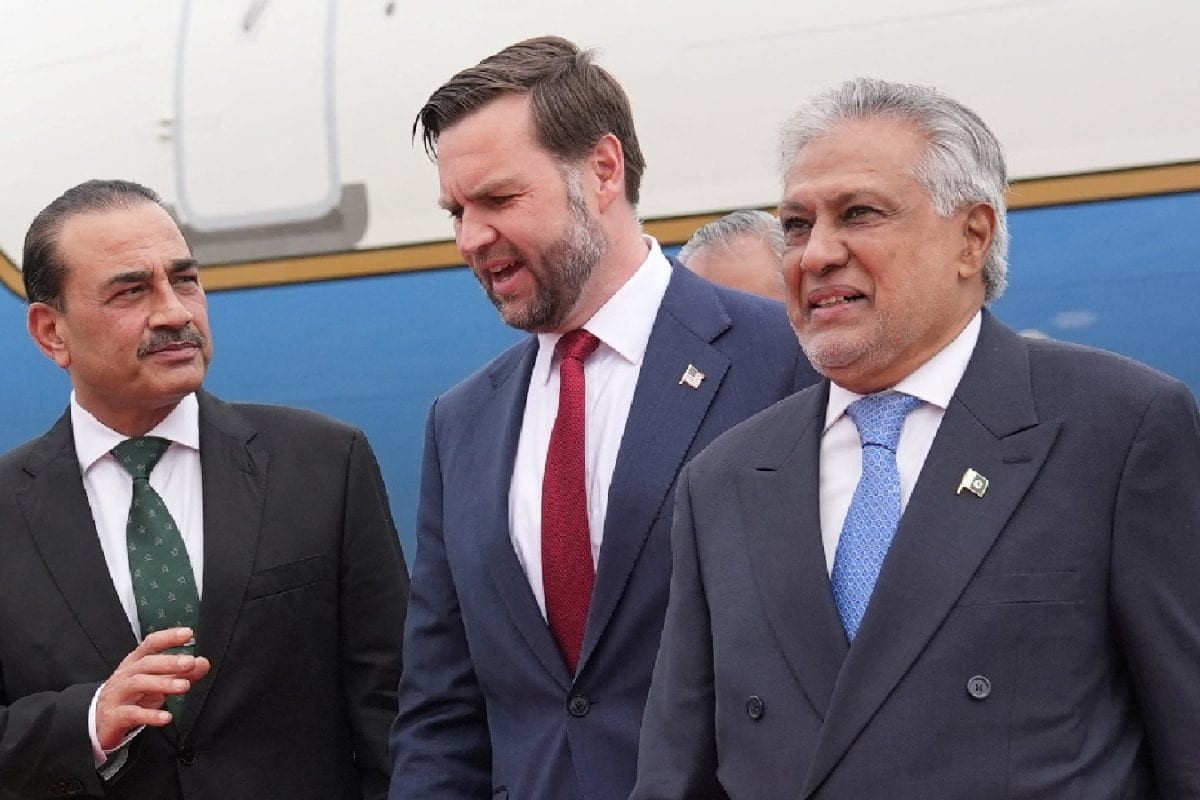
US Strategy Centers on Confidence-Building Measures
American officials have stressed that confidence-building measures will be critical to the success of the negotiations. The United States is reportedly seeking commitments that would demonstrate Iran’s willingness to cooperate with international norms and provide assurances regarding the nature of its nuclear program.
Such measures could include enhanced reporting requirements, expanded access for inspectors, and additional transparency initiatives designed to reassure the international community.
Supporters of the diplomatic effort argue that practical steps toward transparency may help create momentum for broader agreements addressing security, economic concerns, and regional stability.
Iran’s Position and Expectations
Iranian representatives have indicated that any agreement must respect the country’s sovereignty and legitimate rights under international law. Tehran has consistently maintained that its nuclear program is intended for peaceful purposes, including energy production and scientific research.
Iran is also expected to raise concerns regarding economic restrictions and sanctions that have affected its economy. Analysts believe Tehran may seek assurances that meaningful diplomatic progress could lead to improved economic conditions and greater international engagement.
The differing priorities of both sides underscore the complexity of the negotiations. While the United States is focused on verification and oversight, Iran is expected to emphasize recognition of its rights and relief from external pressures.
Regional and Global Implications
The outcome of the talks carries significant implications for regional security and international diplomacy. Neighboring countries and global powers are closely monitoring developments, recognizing that any agreement could influence broader geopolitical dynamics across the Middle East.
A successful framework for cooperation could reduce the likelihood of future confrontations and encourage renewed diplomatic engagement among key stakeholders. Conversely, failure to reach common ground may deepen existing tensions and complicate efforts to address security concerns in the region.
Experts note that rebuilding trust after years of strained relations will require sustained dialogue, verifiable commitments, and a willingness from both sides to engage constructively despite deep-seated disagreements.
A Critical Diplomatic Test
As negotiations continue in Switzerland, both Washington and Tehran face mounting pressure to demonstrate progress. The talks represent one of the most significant diplomatic efforts in recent months to address concerns surrounding Iran’s nuclear activities while exploring avenues for reducing geopolitical tensions.
Although expectations remain measured, the discussions offer an opportunity to establish a foundation for future agreements and potentially reshape the trajectory of US-Iran relations. The coming rounds of negotiations are expected to determine whether the two sides can move beyond longstanding disputes and toward a more stable and predictable diplomatic relationship.
The international community will be watching closely as the talks unfold, with hopes that dialogue and diplomacy can deliver meaningful results in one of the world’s most sensitive security challenges.