
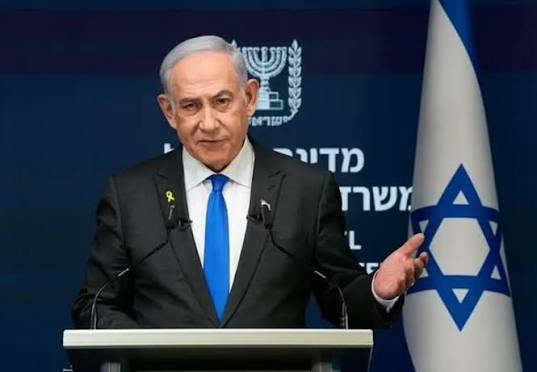
Israeli Prime Minister Benjamin Netanyahu has defended his country’s recent military actions against Iran, asserting that the operation prevented what he described as a potentially catastrophic nuclear threat. Speaking amid escalating tensions between the two regional rivals, Netanyahu argued that Israel’s intervention was necessary to stop Iran from advancing toward nuclear weapons capabilities that could have endangered not only Israel but also the broader international community.
His remarks come at a time of heightened military confrontation in the Middle East, with concerns growing over the possibility of a wider regional conflict involving multiple actors. Netanyahu maintained that Israel acted decisively in response to intelligence assessments indicating that Iran’s nuclear ambitions had reached a critical stage.
Netanyahu Warns of Potential Nuclear Catastrophe
Addressing the ongoing crisis, Netanyahu stated that Israeli operations had effectively disrupted Iran’s ability to move closer to what he described as a dangerous nuclear threshold. According to the Israeli leader, failure to act could have led to severe consequences for regional stability and international security.
He argued that Iran’s nuclear program posed an existential challenge to Israel and warned that a nuclear-armed Iran would fundamentally alter the balance of power in the Middle East. Netanyahu claimed that Israeli military measures were designed to eliminate or significantly weaken strategic capabilities that could contribute to the development of nuclear weapons.
The Prime Minister emphasized that Israel had a responsibility to defend itself against threats that it considers immediate and existential. He reiterated his long-standing position that Iran must never be allowed to acquire nuclear weapons, a stance that has shaped Israeli security policy for years.
Growing International Concern Over Regional Escalation
Netanyahu’s comments were made against the backdrop of increasing fears that the confrontation between Israel and Iran could expand into a broader regional conflict. Governments across the world have expressed concern about the possibility of further military exchanges, which could destabilize an already volatile region.
The latest developments have prompted renewed diplomatic efforts aimed at reducing tensions and preventing additional escalation. International leaders have urged restraint from all sides while calling for dialogue to address security concerns through diplomatic channels.
Security analysts note that the conflict carries implications far beyond the immediate region. Any prolonged military confrontation between Israel and Iran could affect global energy markets, international trade routes, and geopolitical stability. 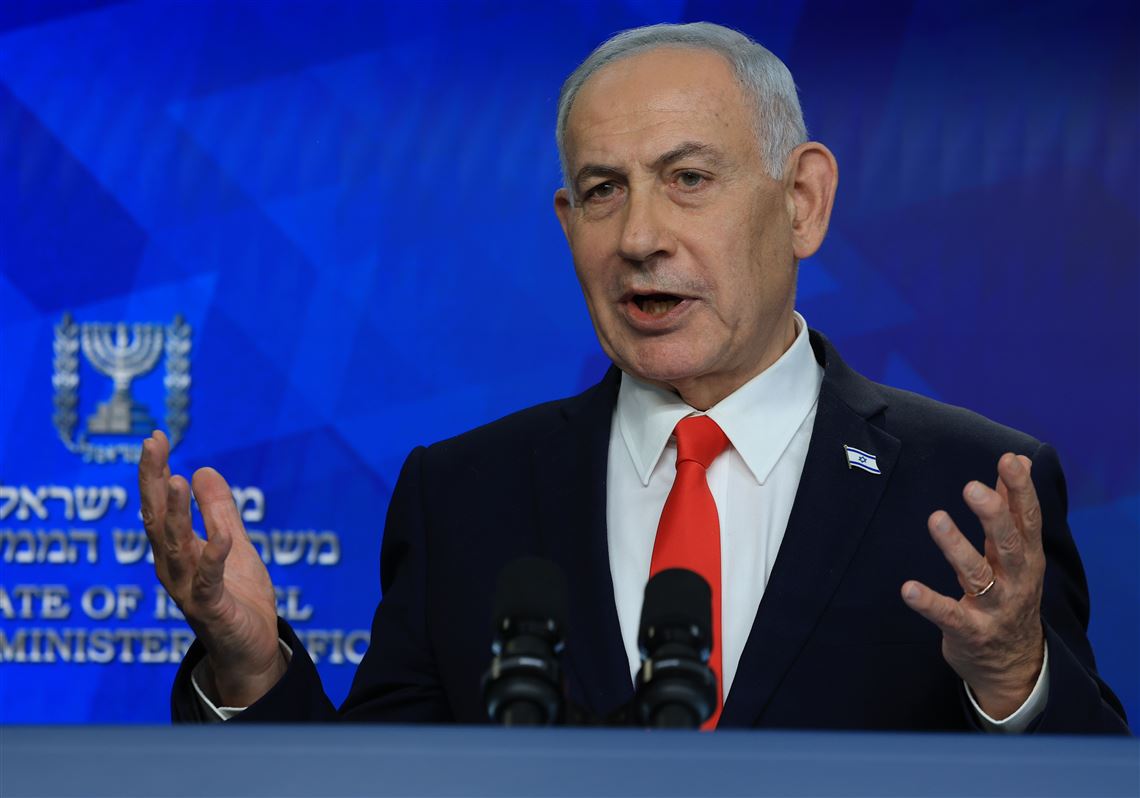
Longstanding Dispute Over Iran’s Nuclear Program
The dispute over Iran’s nuclear activities has been a central issue in Middle Eastern politics for decades. Israeli officials have consistently argued that Iran’s nuclear program is aimed at developing weapons capabilities, while Iranian authorities have repeatedly maintained that their nuclear activities are intended for peaceful civilian purposes, including energy production and scientific research.
Israel has frequently warned that diplomatic efforts alone may not be sufficient to prevent Iran from advancing its nuclear capabilities. Iranian leaders, meanwhile, have accused Israel of aggression and have condemned military actions targeting Iranian interests.
The disagreement has contributed to years of diplomatic tensions, sanctions, international negotiations, and periodic security crises involving both countries.
Strategic and Political Implications
Netanyahu’s latest statements also reflect the broader strategic calculations behind Israel’s security doctrine. Israeli policymakers have long maintained that pre-emptive measures may be necessary when facing threats perceived as existential.
Supporters of the government argue that decisive action strengthens deterrence and demonstrates Israel’s willingness to defend itself against emerging dangers. Critics, however, caution that military operations could intensify regional instability and increase the risk of retaliation.
The situation has also become a significant topic of discussion among global powers, many of whom are attempting to balance concerns over Iran’s nuclear ambitions with efforts to prevent a wider military conflict.
Calls for Diplomacy Amid Rising Tensions
As tensions continue to rise, international organizations and world leaders are urging renewed diplomatic engagement. Many believe that dialogue and negotiations remain essential to preventing further escalation and reducing the risk of a prolonged conflict.
Despite the sharp rhetoric and military developments, diplomatic channels remain active, with several countries working to encourage restraint and facilitate communication between the opposing sides.
For now, Netanyahu remains firm in his position that Israel’s actions were justified and necessary. He insists that the operation not only safeguarded Israel’s security but also helped prevent what he characterized as a potentially devastating nuclear threat with far-reaching global consequences.
The evolving situation continues to be closely monitored by governments, security experts, and international organizations as the world watches for signs of either further escalation or a return to diplomatic engagement.