

The controversy surrounding the alleged NEET-UG paper leak brought several digital platforms under scrutiny, including the popular messaging application Telegram. At one point during the investigation, authorities briefly blocked access to the platform after concerns emerged that leaked examination materials and related communications were being circulated through various Telegram channels and groups.
The incident highlighted the growing challenge faced by governments, law enforcement agencies, and technology companies in balancing criminal investigations, user privacy, and digital freedom. It also raised important questions about how encrypted messaging services cooperate with authorities during high-profile investigations involving educational fraud and cybercrime.
Background: The NEET-UG Paper Leak Controversy
The National Eligibility cum Entrance Test (NEET-UG) is one of India’s most important competitive examinations, serving as the gateway for admission to medical colleges across the country. Any allegation of malpractice or paper leaks can affect millions of students and generate nationwide concern.
During the investigation into alleged irregularities surrounding the examination, authorities examined multiple online platforms suspected of being used to distribute leaked question papers, answer keys, and other confidential material. Telegram emerged as one of the platforms under investigation because of its large public channels, private groups, and file-sharing capabilities.
Investigators sought access to specific information that could help identify individuals allegedly involved in the circulation of examination-related content. This led to a dispute regarding data-sharing requirements and the legal processes governing access to user information.
Why Telegram Was Temporarily Blocked
The temporary restriction on Telegram was not a blanket action aimed at permanently banning the platform. Instead, it was part of a broader effort by authorities to secure cooperation and obtain information relevant to the investigation.
Officials reportedly sought assistance from the platform to trace the origins and dissemination routes of content suspected to be linked to the paper leak. During this period, access disruptions occurred as regulatory and investigative measures were being implemented.
The move generated considerable public attention because Telegram is widely used across India for communication, education, business networking, and content sharing. Many users questioned whether the platform itself was responsible for the alleged leak or merely being used by individuals involved in unlawful activities. 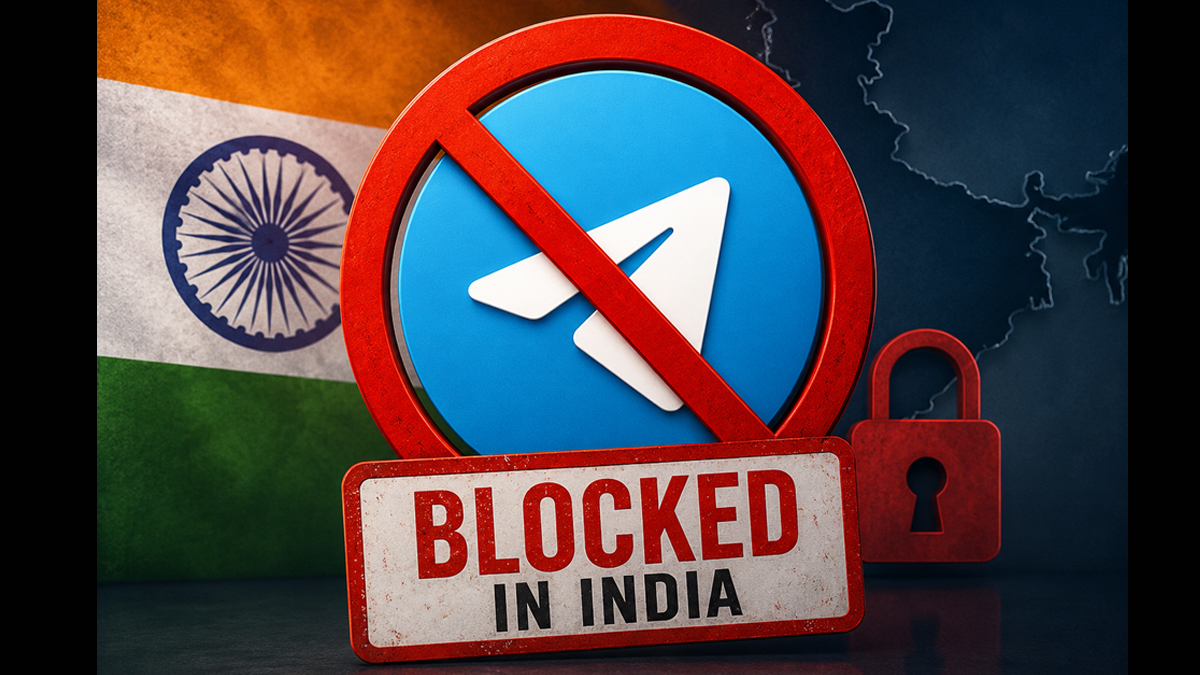
Telegram’s Position and Cooperation
Telegram maintained that it follows legal procedures and cooperates with legitimate law enforcement requests when they comply with applicable laws and established protocols. The company emphasized that it does not support illegal activities and takes action against channels or accounts found to be violating its terms of service.
Like many global technology companies, Telegram faces the challenge of balancing user privacy with legal obligations. The platform’s architecture includes privacy-focused features, which can make investigations more complex when authorities seek user-related information.
The dispute underscored a recurring global debate over how messaging services should respond to government requests while protecting the privacy expectations of their users.
The Legal and Technical Challenges
The case revealed several challenges that investigators often encounter when dealing with digital platforms:
Cross-Border Data Access
Many technology companies operate internationally, meaning user data may be stored across multiple jurisdictions. Investigators frequently need to navigate legal frameworks and international cooperation mechanisms to obtain information.
Privacy and Encryption
Messaging applications increasingly rely on privacy-enhancing technologies. While these features help protect users from cyber threats and unauthorized surveillance, they can also complicate investigations into criminal activities.
Platform Responsibility
Authorities worldwide continue to debate the extent to which digital platforms should be held accountable for content shared by users. The Telegram episode reignited discussions about whether messaging services should take stronger preventive measures against misuse.
Speed of Digital Investigations
Cases involving leaked examination papers require swift action because evidence can spread rapidly across multiple channels and groups within minutes. Investigators often face pressure to identify suspects before digital trails disappear.
Why the Block Was Lifted
The temporary restrictions were eventually removed after authorities and the platform addressed concerns related to the investigation. The focus shifted toward identifying individuals allegedly responsible for circulating examination materials rather than targeting the messaging service itself.
The lifting of the block demonstrated that the action was primarily linked to investigative requirements rather than a long-term regulatory decision against Telegram.
Broader Implications for Digital Platforms
The episode serves as a significant example of how digital platforms are increasingly becoming central to major investigations. From financial fraud and cybercrime to examination malpractice and misinformation campaigns, online services often play a critical role in modern law enforcement efforts.
Experts note that future cases may require clearer regulatory frameworks that define how technology companies should respond to urgent investigative requests while preserving user rights and maintaining transparency.
The incident also reinforces the need for stronger cybersecurity measures and monitoring mechanisms to protect the integrity of high-stakes examinations. Educational authorities, law enforcement agencies, and technology companies are likely to continue collaborating to prevent similar incidents in the future.
Conclusion
The temporary blocking of Telegram during the NEET-UG paper leak investigation was a reflection of the complex relationship between digital platforms, privacy protections, and law enforcement requirements. While the platform itself was not accused of orchestrating the alleged leak, its role as a communication medium placed it under investigative scrutiny.
As governments worldwide grapple with the challenges of regulating online spaces, the case illustrates the delicate balance between ensuring accountability, protecting user privacy, and enabling effective investigations into activities that can have significant social and educational consequences.