
A deepening internal crisis within the Trinamool Congress (TMC) has sparked widespread political speculation after the party’s dissident faction reportedly expanded significantly, intensifying concerns about a potential split in one of India’s most influential regional political organizations.
The latest developments have exposed growing tensions within the party hierarchy, with political observers closely monitoring events that could reshape the political landscape of West Bengal ahead of future electoral battles.
Rebel Numbers Reportedly Rise Sharply
According to sources familiar with the ongoing developments, the strength of the rebel camp has increased substantially, reaching an estimated 64 members. The growing support for the dissident faction has alarmed party strategists, who fear that the widening divide could evolve into a full-scale organizational crisis if reconciliation efforts fail.
The rapid expansion of the rebel group has fueled speculation that dissatisfaction within sections of the party runs deeper than previously believed. While party leaders have publicly sought to project unity, the increasing number of lawmakers and influential figures reportedly aligning with the dissenters suggests a more complex internal struggle.
Political analysts note that such developments are particularly significant because TMC has historically maintained a strong centralized leadership structure. Any sustained challenge from within could have implications not only for party governance but also for its electoral prospects.
Dramatic Political Developments Overnight
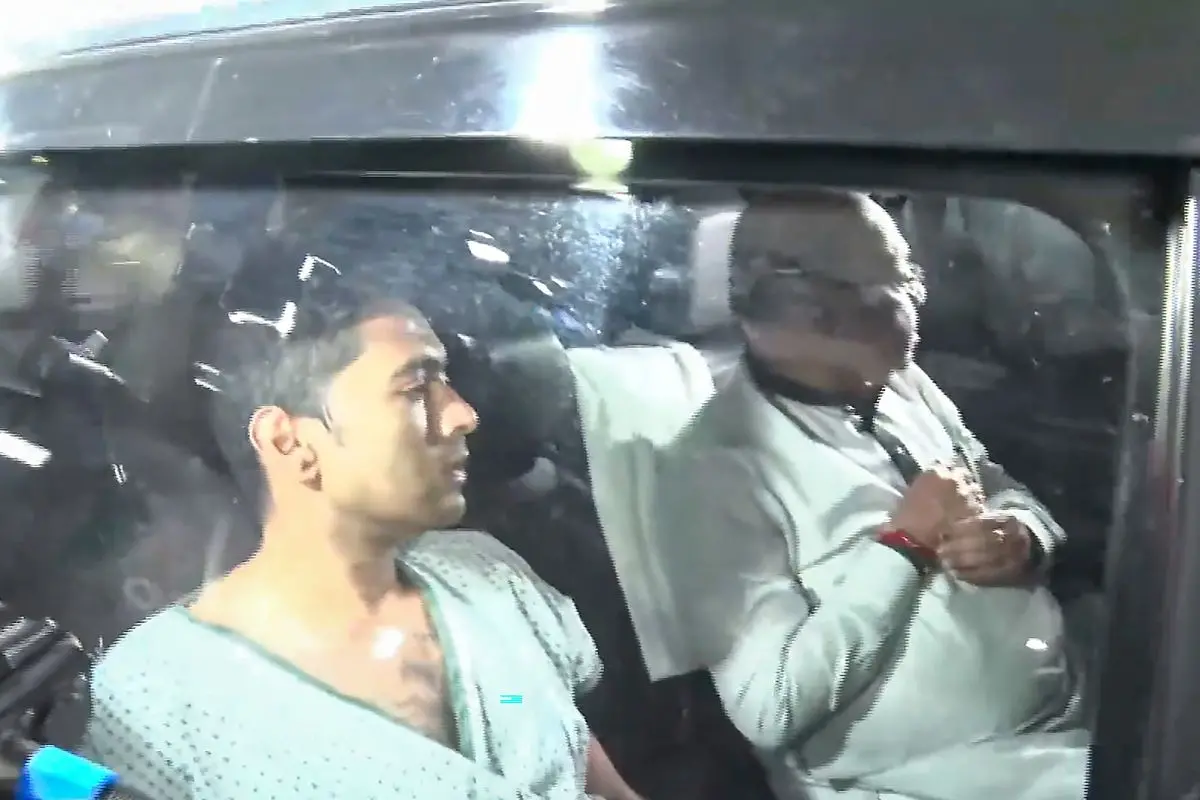
The situation took a dramatic turn following reports of late-night political activity involving senior party figures and key locations associated with influential leaders. These developments have intensified rumors of behind-the-scenes negotiations, strategic planning, and attempts by various factions to consolidate support.
Sources indicate that several rounds of discussions were held among leaders from different camps as efforts continued to assess the evolving political situation. The unusual timing of these meetings and movements added to speculation that crucial decisions regarding the party’s future direction may be under consideration.
Political circles in Kolkata remained abuzz as reports emerged of heightened activity among legislators and organizational leaders, many of whom are believed to be weighing their options amid the escalating confrontation. 
Leadership Under Pressure
The growing rebellion presents a significant challenge for the party leadership, which now faces the task of preventing internal disagreements from developing into a formal split.
Senior leaders are understood to be engaged in intensive consultations aimed at restoring unity and addressing grievances that may have contributed to the current unrest. However, the expanding size of the dissident camp suggests that resolving the crisis may require more than routine organizational discussions.
Observers argue that the leadership’s response over the coming days will be crucial. Any perceived delay or inability to address concerns effectively could encourage additional members to join the rebel faction, further complicating efforts to maintain cohesion.
Concerns Over Party Unity
The latest developments have reignited debate about the long-term stability of the party and the strength of its internal organizational mechanisms.
Political experts point out that factional disputes are not uncommon in large political parties, particularly those that have held power for extended periods. However, when disagreements attract substantial support from elected representatives and influential leaders, the risk of structural fragmentation increases considerably.
The reported growth of the rebel camp has therefore become a major source of concern for party loyalists, who fear that prolonged infighting could distract from governance and weaken the party’s political standing.
Opposition Watches Closely
Opposition parties are closely observing the unfolding crisis, recognizing that any significant weakening of the ruling party could alter political equations across the state.
Analysts suggest that rival political formations may attempt to capitalize on the uncertainty by reaching out to dissatisfied leaders or using the turmoil to strengthen their own narratives ahead of future elections.
The unfolding situation could also influence alliance discussions, candidate selection strategies, and broader political calculations in West Bengal, making the current crisis one of the most consequential internal challenges faced by the party in recent years.
High-Stakes Days Ahead
With the rebel faction reportedly continuing to attract support, attention is now focused on the next moves of both the dissident leaders and the party’s central leadership.
Several scenarios remain possible, ranging from a negotiated settlement and reconciliation to a prolonged power struggle or even a formal organizational split. Much will depend on whether dialogue between the competing factions can produce a workable compromise.
For now, the party faces one of its most significant internal tests, with its leadership under pressure to restore stability, reassure supporters, and prevent the crisis from escalating further.
As political uncertainty continues to grow, the coming days are expected to play a decisive role in determining whether the party can overcome its internal divisions or whether the rebellion marks the beginning of a larger realignment in West Bengal politics.