
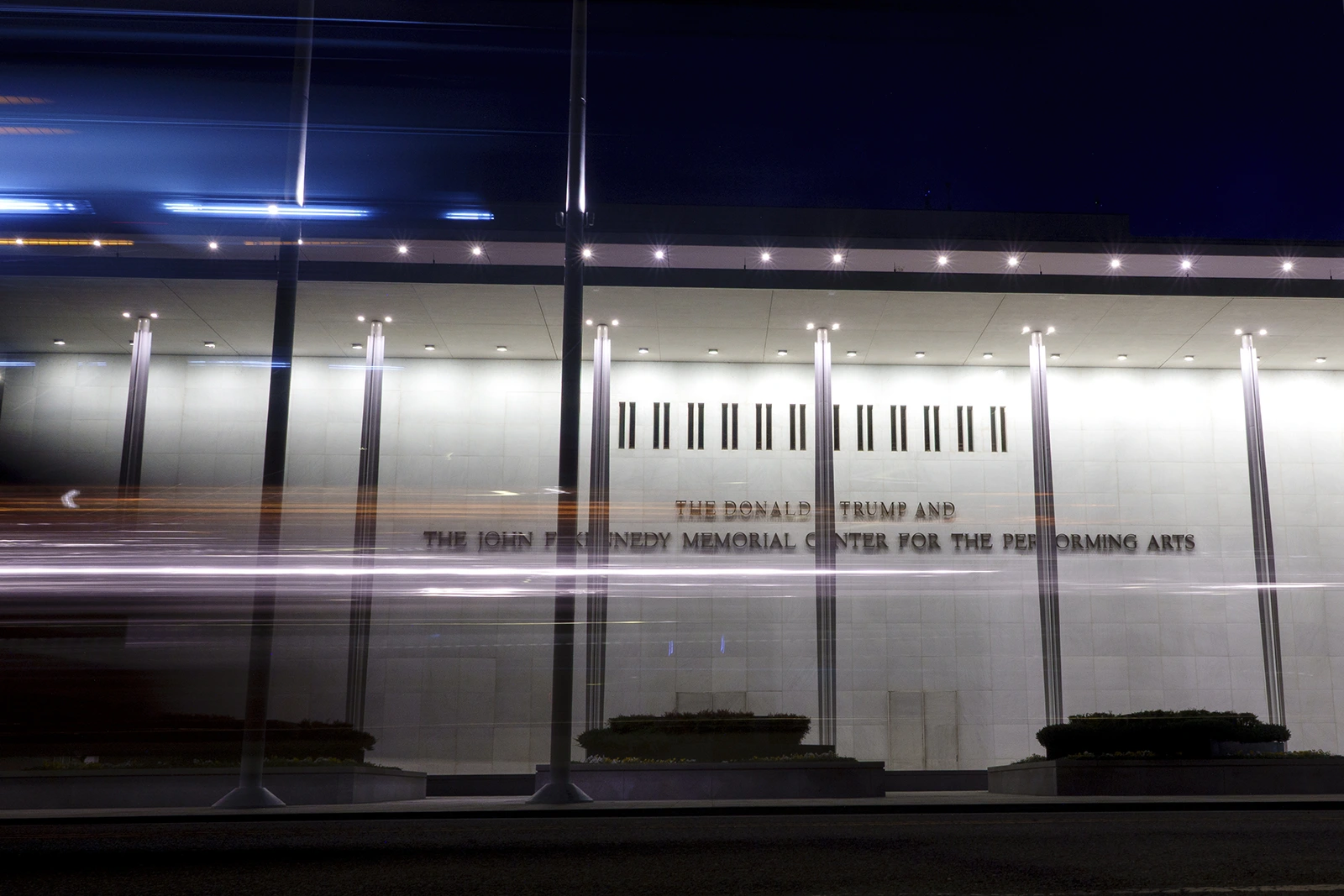
A growing controversy has emerged around efforts to remove former U.S. President Donald Trump’s name from facilities and programs associated with the Kennedy Center, with critics expressing frustration over what they describe as an unusually slow and opaque process.
The debate has intensified in recent weeks as advocates, artists, and political observers question why administrative action has not progressed despite public calls for changes. The delays have fueled speculation about internal disagreements, procedural hurdles, and potential political sensitivities surrounding one of America’s most prominent cultural institutions.
Critics Raise Concerns Over Lack of Progress
Individuals advocating for the removal of Trump’s name have increasingly voiced concerns about the pace of decision-making. Many argue that the issue has lingered for too long without clear explanations from those responsible for overseeing the process.
Critics contend that institutions receiving public attention and support should operate with transparency, particularly when decisions involve politically sensitive matters. Some have questioned whether behind-the-scenes negotiations or resistance from influential stakeholders are contributing to the delay.
The prolonged uncertainty has led to growing public scrutiny, with observers suggesting that the absence of definitive communication has created confusion and speculation.
Political and Cultural Implications
The controversy extends beyond a simple naming dispute. For many observers, the issue reflects broader debates over how public institutions should handle associations with political figures whose legacies remain deeply divisive.
Supporters of removing Trump’s name argue that cultural organizations should carefully evaluate whether honorary recognitions continue to align with their values and missions. They believe that institutions have a responsibility to reassess such decisions when significant public concerns arise.
Others caution against making changes based on shifting political climates, arguing that historical recognitions should not be altered without a thorough and transparent review process.
As a result, the discussion has evolved into a larger conversation about politics, public memory, and the role of cultural organizations in navigating contentious national debates. 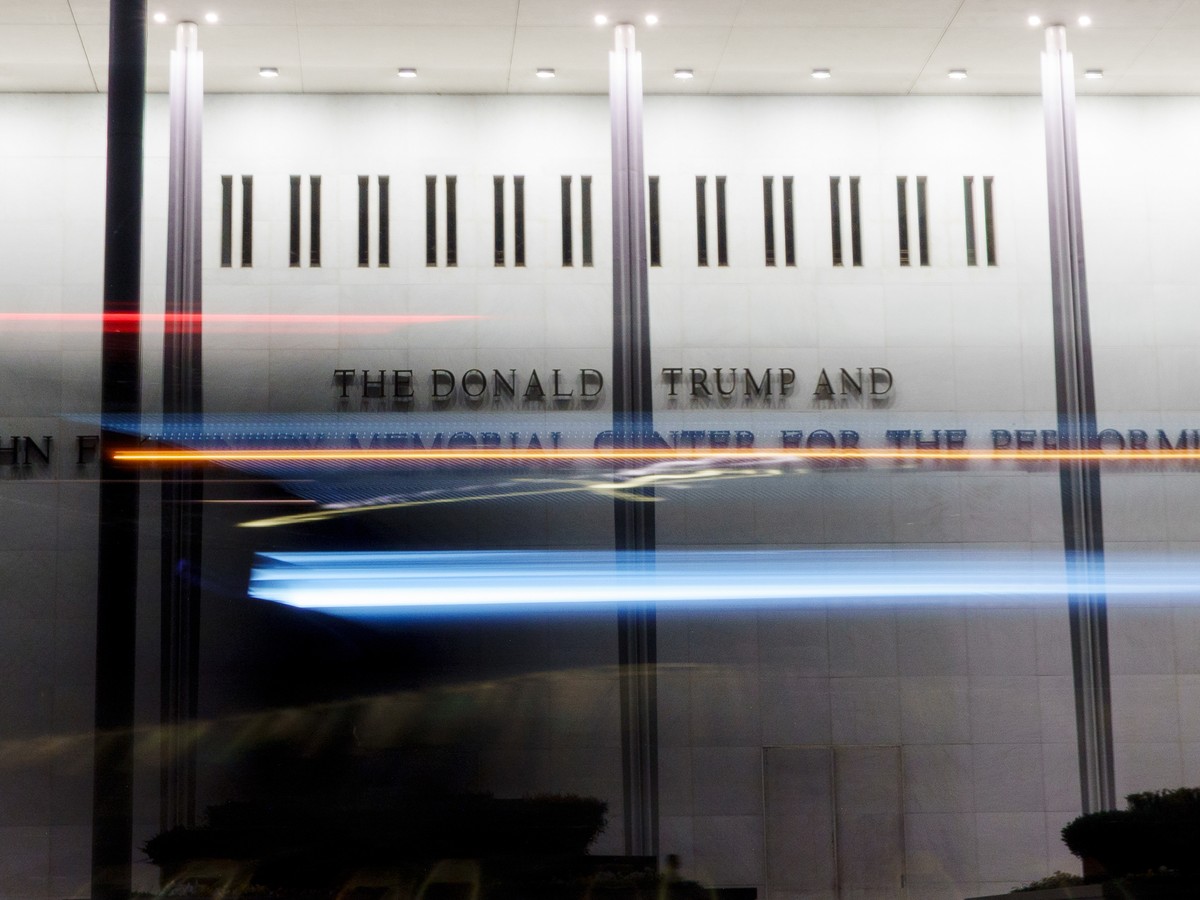
Calls for Greater Transparency
A central complaint among critics is the perceived lack of communication from decision-makers. Advocacy groups and commentators have urged officials to provide a clear timeline, explain procedural requirements, and outline the factors influencing the review process.
According to those seeking action, transparency would help reduce speculation and restore confidence in the institution’s governance. Without detailed updates, critics argue that the delay risks creating the impression that decision-makers are avoiding accountability.
The issue has also attracted attention from political analysts who note that controversies involving prominent public figures often place cultural institutions under intense scrutiny, making open communication especially important.
Broader Debate Over Public Honors
The Kennedy Center dispute is part of a wider national conversation about monuments, building names, honorary titles, and public recognitions connected to political leaders and historical figures.
Across the United States, numerous institutions have faced pressure in recent years to reconsider honors granted to individuals whose records have become subjects of public debate. Such reviews frequently involve balancing historical significance, institutional values, and public opinion.
Experts note that decisions involving names and honors often carry symbolic weight far beyond the immediate institution, influencing broader discussions about history, identity, and civic values.
What Happens Next?
While no definitive timeline has been announced, observers expect continued pressure on administrators to clarify the status of the review process. Advocacy groups are likely to maintain their calls for action, while opponents of the change may continue to argue for preserving existing recognitions.
Until a formal decision is reached, questions surrounding the delayed effort to remove Trump’s name are expected to remain a focal point in discussions about cultural governance and political symbolism in the United States.
The outcome could have implications not only for the Kennedy Center but also for how other institutions approach politically charged naming controversies in the future.