
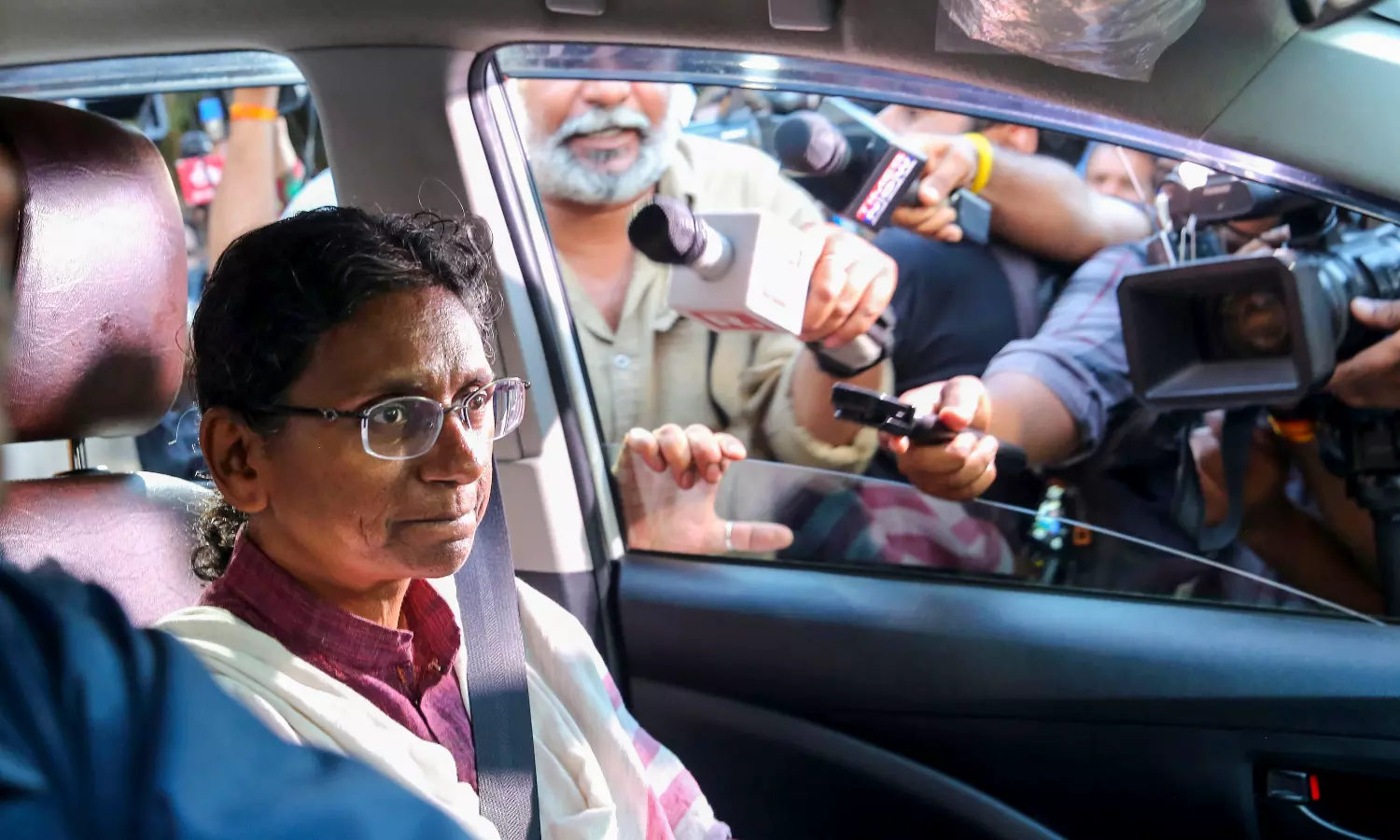
In a significant development concerning the electoral process and judicial intervention in election-related disputes, the Supreme Court on Thursday dismissed a petition filed by Congress leader Meenakshi Natarajan challenging the rejection of her nomination papers for the Rajya Sabha elections. The apex court observed that the appropriate forum for addressing such grievances lies with the Election Commission and not through direct judicial intervention at this stage.
The ruling reinforces the legal framework governing election disputes and underscores the principle that election-related issues must generally be addressed through mechanisms specifically established under election laws.
Court Declines to Interfere
A bench of the Supreme Court heard Natarajan’s plea seeking relief against the rejection of her nomination papers. During the proceedings, the court examined the nature of the dispute and the available statutory remedies.
The judges noted that election laws provide a specific mechanism for resolving disputes arising during the nomination process. Consequently, the court concluded that it would not exercise its jurisdiction in the matter and advised the petitioner to approach the Election Commission, which is empowered to examine and address such complaints.
The decision effectively closes the door on immediate judicial intervention while leaving open the option for Natarajan to pursue remedies through the election authorities.
Background of the Dispute
The controversy emerged after Meenakshi Natarajan’s nomination for the Rajya Sabha election was rejected by the returning officer. Believing the rejection to be improper, she sought the intervention of the Supreme Court, arguing that the decision adversely affected her participation in the electoral process.
Her petition requested judicial scrutiny of the nomination rejection and sought relief that would allow her candidature to be considered. However, the court maintained that election-related matters are governed by a comprehensive legal framework that provides designated authorities to deal with such grievances.
The Rajya Sabha election process is governed by detailed rules concerning nominations, scrutiny of documents, and eligibility requirements. Any challenge to decisions made during these stages is generally expected to follow the procedures established under election laws. 
Importance of the Election Commission’s Role
The Supreme Court’s observations highlighted the central role of the Election Commission in maintaining the integrity and fairness of elections. As the constitutional authority responsible for overseeing electoral processes in India, the Commission is entrusted with handling disputes arising from nominations, electoral rolls, candidate eligibility, and other election-related matters.
By directing the petitioner to seek redress through the Election Commission, the court reaffirmed the principle that specialized election bodies should first examine such issues before courts are called upon to intervene.
Legal experts note that this approach helps preserve the institutional framework established for elections and prevents courts from becoming the primary forum for resolving every electoral dispute during the election process.
Judicial Restraint in Electoral Matters
The ruling is consistent with a long-standing judicial principle that courts generally exercise restraint in matters directly connected to ongoing elections. Indian courts have repeatedly emphasized that election disputes should ordinarily be addressed through statutory remedies available under election laws.
This principle seeks to ensure that elections proceed without undue interruptions while providing affected parties with appropriate legal avenues for challenging decisions. Judicial intervention is often limited unless exceptional circumstances warrant immediate action.
The Supreme Court’s refusal to entertain the plea reflects this broader approach of respecting the electoral dispute resolution mechanism established by law.
Political and Legal Significance
The case has drawn attention because of its implications for candidates seeking to contest elections and the procedures governing nomination scrutiny. The decision serves as a reminder that challenges related to nomination acceptance or rejection must generally follow prescribed legal channels.
For political parties and candidates, the judgment highlights the importance of adhering to electoral procedures and utilizing the remedies available through election authorities when disputes arise.
The ruling may also influence future cases involving nomination-related controversies by reinforcing the jurisdictional boundaries between election authorities and constitutional courts.
What Happens Next?
With the Supreme Court declining to intervene, Meenakshi Natarajan’s immediate legal recourse now lies with the Election Commission. Any further challenge regarding the rejection of her nomination would need to be pursued through the procedures available under election laws and the Commission’s regulatory framework.
The outcome of any such proceedings could determine whether additional legal steps become available in the future. For now, the apex court’s decision underscores the importance of following established electoral remedies and respecting the institutional processes designed to address election-related disputes.
As election-related litigation continues to emerge across the country, the judgment stands as another affirmation of the principle that electoral grievances should primarily be resolved within the framework specifically created for that purpose.