
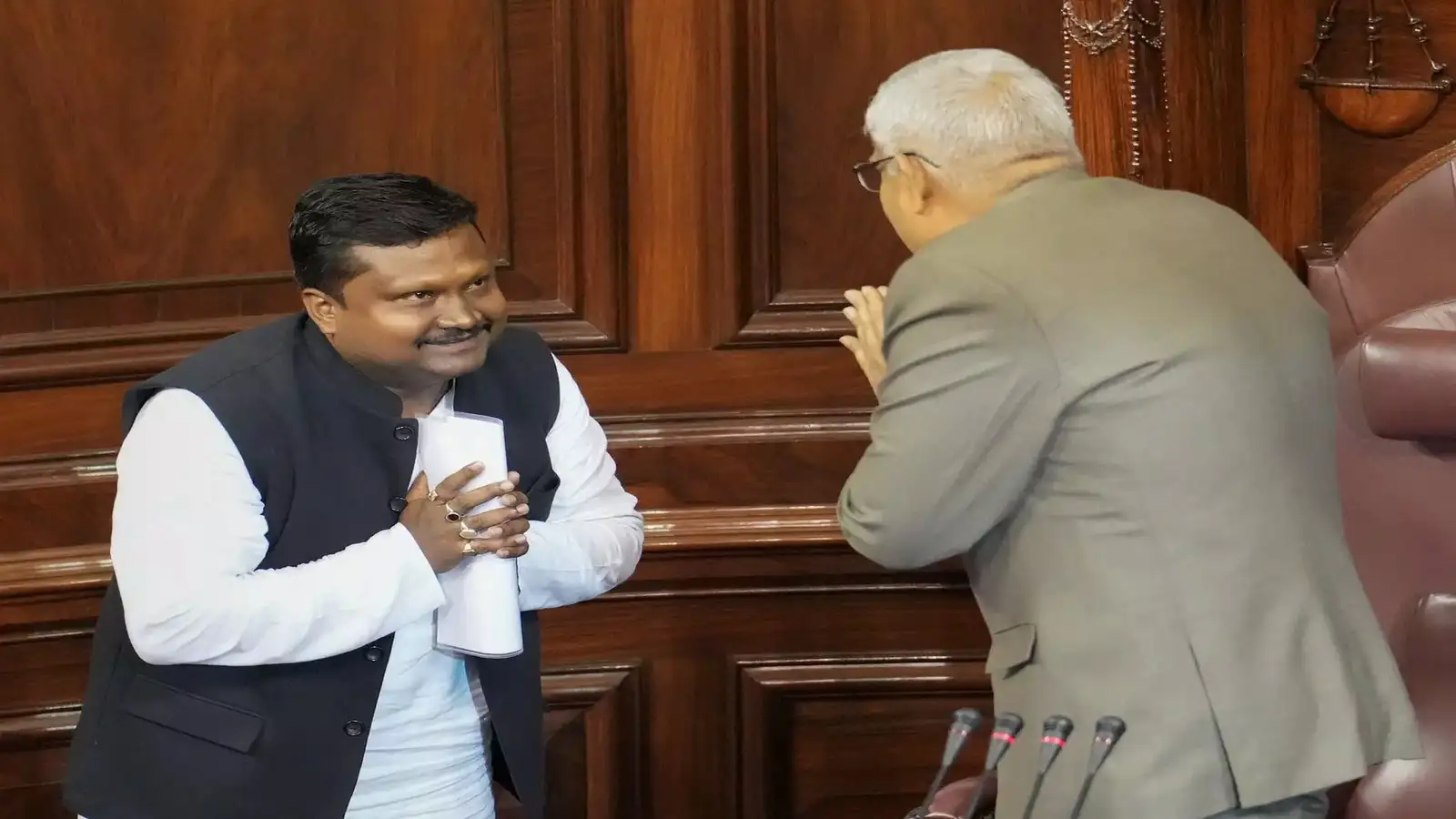
In a significant political development, Trinamool Congress (TMC) Rajya Sabha member Prakash Chik Baraik has tendered his resignation from the Upper House of Parliament, delivering another setback to the party at a time when it is navigating multiple political challenges. The resignation has sparked widespread speculation about the veteran leader’s future political course and the potential implications for the party’s organizational strength and parliamentary representation.
According to political sources, Baraik submitted his resignation and is expected to formally meet Rajya Sabha Chairman and Vice President Jagdeep Dhankhar’s successor in office, Chairman C.P. Radhakrishnan, to complete the necessary parliamentary procedures. The move comes amid increasing political churn and realignments in several regions where parties are reassessing strategies ahead of future electoral contests.
Resignation Triggers Political Speculation
The sudden resignation has raised questions about the reasons behind Baraik’s decision and whether it signals a larger shift in political allegiance. While no detailed public explanation was immediately available, the development has fueled discussions within political circles regarding possible differences within the party or a broader strategic recalibration.
Political observers note that resignations from Parliament often carry significance beyond the loss of a single seat, particularly when they involve leaders with established influence among specific social and regional constituencies. Baraik’s departure is therefore being viewed as more than a routine political event, with analysts closely monitoring his next steps.
Impact on the Trinamool Congress
For the Trinamool Congress, the resignation represents another challenge in maintaining its parliamentary strength and political momentum. The party has worked to expand its footprint beyond its traditional strongholds, and the exit of a sitting Rajya Sabha member could affect perceptions of unity and organizational stability.
Party leadership has not publicly indicated any immediate concerns regarding parliamentary numbers. However, opposition parties and political commentators have already begun assessing whether the resignation could have broader implications for the party’s future strategy and influence in national politics.
The development is particularly notable because parliamentary resignations often become symbolic indicators of underlying political trends. Even when they do not immediately alter legislative equations, they can shape narratives surrounding party cohesion and leadership effectiveness. 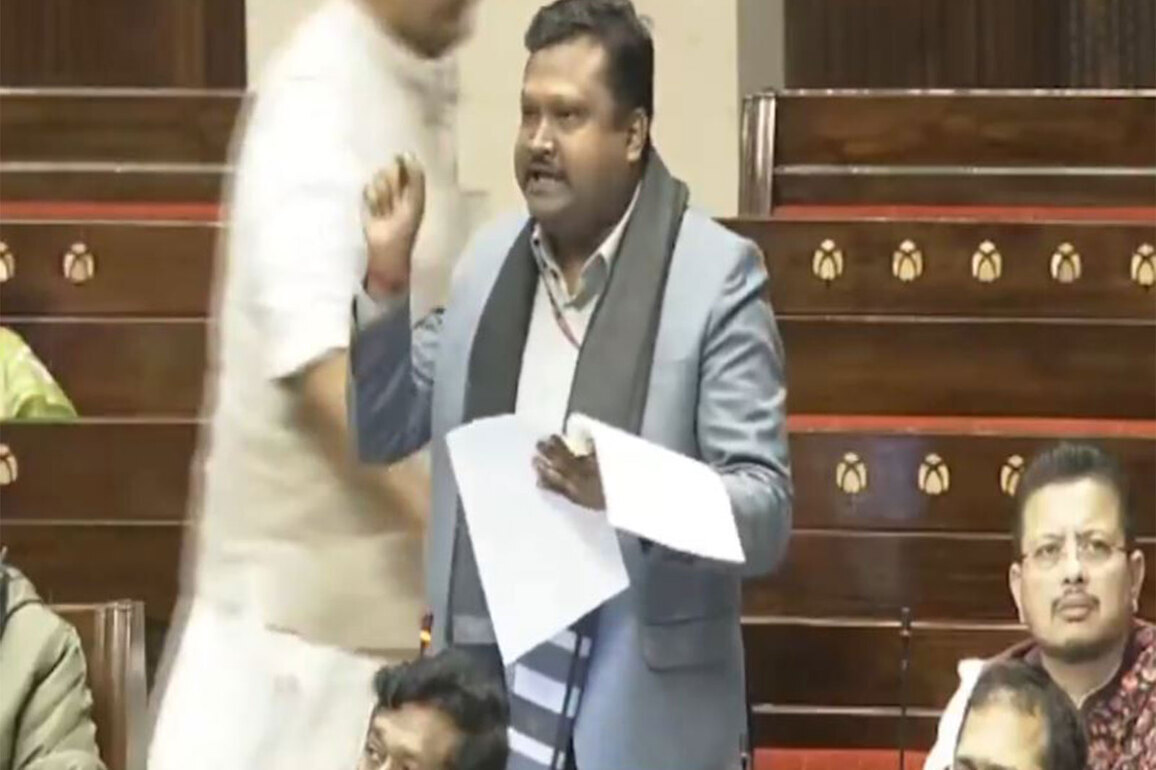
Focus on Tribal and Regional Representation
Prakash Chik Baraik has been regarded as an important political figure with connections to tribal communities and regional political networks. His presence in Parliament was viewed as part of efforts to ensure broader social representation within national policymaking institutions.
As discussions continue regarding his future political plans, attention is likely to remain focused on how various political parties seek to strengthen their outreach among tribal voters and regional constituencies. Any future decision by Baraik regarding party affiliation or political engagement could therefore attract considerable attention.
Parliamentary Procedures and Next Steps
Following the submission of a resignation, parliamentary rules require verification and acceptance by the Chairman of the Rajya Sabha. The process includes ensuring that the resignation is voluntary and genuine before it is formally accepted.
Once the resignation is processed, attention will turn to how the resulting vacancy is addressed and whether the political developments surrounding the resignation lead to further shifts within the broader political landscape.
Wider Political Context
The resignation comes at a time when national and regional parties are actively positioning themselves for upcoming political contests. Across India, political organizations are reassessing alliances, strengthening grassroots networks, and evaluating leadership structures in preparation for future elections.
Against this backdrop, Baraik’s resignation is being viewed as a development with implications extending beyond parliamentary procedure. It reflects the fluid nature of contemporary Indian politics, where individual leaders continue to play influential roles in shaping party fortunes and electoral calculations.
Conclusion
The resignation of Rajya Sabha MP Prakash Chik Baraik marks a notable moment in the evolving political landscape. While the full reasons behind the decision and its long-term consequences remain to be seen, the move has already generated significant political interest and intensified speculation about possible realignments. As parliamentary formalities proceed and political reactions continue to emerge, attention will remain firmly focused on Baraik’s next steps and the impact of his departure on the Trinamool Congress.