
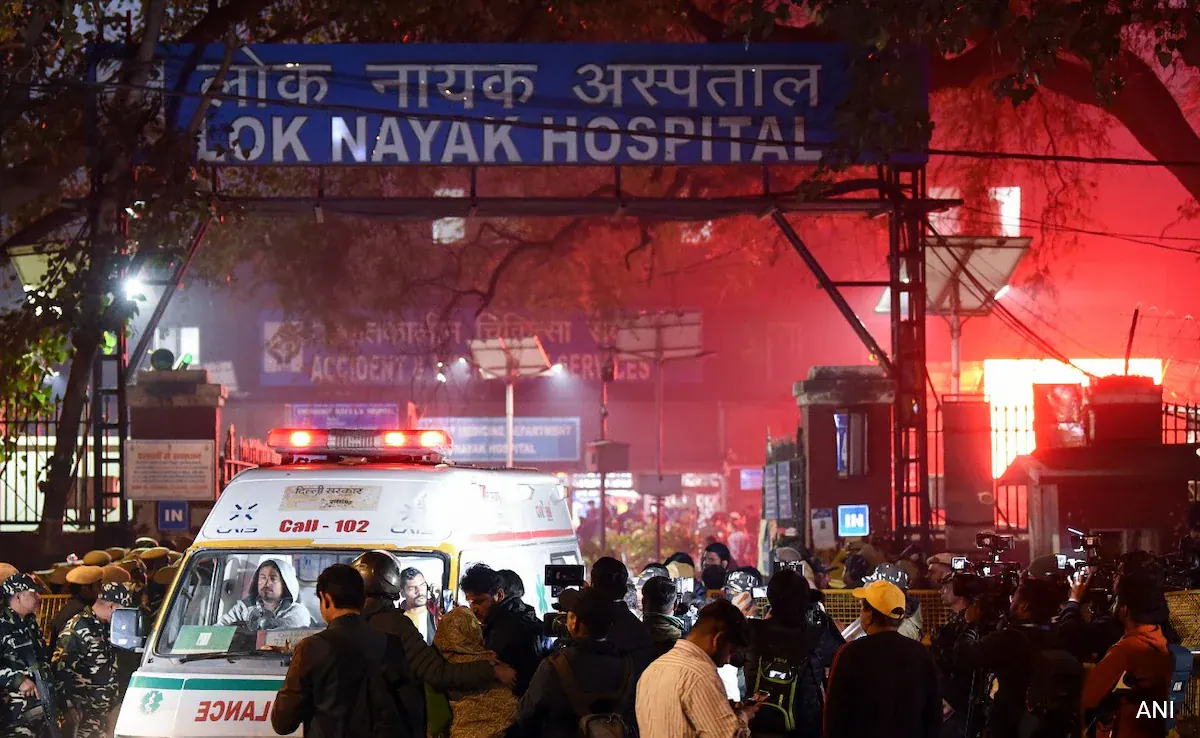
In a significant ruling highlighting the importance of timely emergency medical care, a consumer dispute redressal commission has directed a private hospital to pay ₹15 lakh in compensation to the family of a woman whose life could not be saved after an alleged delay in arranging an ambulance transfer.
The commission concluded that the hospital’s failure to ensure prompt transportation of the critically ill patient amounted to a deficiency in service and medical negligence. The order underscored the responsibility of healthcare institutions to provide immediate and efficient emergency support, especially when a patient’s survival depends on urgent referral and transfer to a higher medical facility.
Medical Emergency Turned Fatal
According to the case records, the woman had been admitted to the hospital for treatment when her medical condition deteriorated. Doctors reportedly determined that she required specialized treatment at another facility equipped to handle her condition.
However, despite recognizing the urgency of the situation, the transfer process was allegedly delayed for several hours due to the unavailability of an ambulance. The patient’s family argued that repeated requests were made for immediate transportation, but the hospital failed to arrange a vehicle in a timely manner.
The delay reportedly extended to nearly three hours, a period that proved critical in the patient’s medical condition. By the time transportation was arranged and the patient reached the referral hospital, her health had worsened significantly. She subsequently passed away.
Family Approaches Consumer Forum
Following the woman’s death, her family sought legal recourse, alleging negligence and inadequate emergency care. They argued that the hospital had failed in its duty of care by not arranging prompt transportation despite being aware of the seriousness of the patient’s condition.
The complaint emphasized that emergency medical management extends beyond diagnosis and treatment inside hospital premises. It also includes ensuring that patients receive uninterrupted access to appropriate medical facilities when transfer becomes necessary.
The family maintained that the delay directly contributed to the deterioration of the patient’s health and ultimately cost her life. 
Commission Examines Evidence
During the proceedings, the consumer commission reviewed medical records, witness statements, and other evidence submitted by both parties. The panel examined the sequence of events surrounding the patient’s treatment and the arrangements made for her transfer.
After evaluating the material on record, the commission observed that the patient required urgent referral and that the delay in transportation could not be justified under the circumstances. The panel noted that hospitals are expected to have systems in place to manage emergency transfers efficiently, particularly when time-sensitive medical intervention is involved.
The commission concluded that the delay represented a clear lapse in service standards and amounted to negligence.
Compensation Awarded to Family
Holding the hospital accountable, the commission directed it to pay ₹15 lakh as compensation to the deceased woman’s family. The award was intended to address the suffering, loss, and hardship experienced by the family due to the hospital’s failure to provide timely emergency assistance.
The ruling serves as a reminder that healthcare institutions can be held legally responsible not only for errors in treatment but also for lapses in critical support services that affect patient outcomes.
Importance of Emergency Response Systems
The case has drawn attention to the broader issue of emergency medical transportation and the need for hospitals to maintain robust referral and ambulance management systems.
Medical experts often stress that in critical cases, every minute can be crucial. Delays in transferring patients requiring specialized care can significantly reduce survival chances and increase the risk of irreversible complications.
Healthcare facilities are therefore expected to coordinate ambulance services efficiently, maintain emergency response protocols, and ensure that logistical challenges do not compromise patient safety.
Growing Focus on Patient Rights
The decision also reflects the increasing emphasis on patient rights and healthcare accountability in consumer protection proceedings. Courts and consumer forums have repeatedly held that hospitals owe a duty of care that extends beyond clinical treatment and includes all services necessary for patient welfare.
Legal experts note that such rulings reinforce the principle that healthcare providers must act promptly and responsibly in emergencies. Failure to do so can result in both legal liability and financial penalties.
Conclusion
The compensation order marks a significant affirmation of patient rights and institutional accountability in healthcare. By holding the hospital responsible for the fatal ambulance delay, the consumer commission has reinforced the expectation that medical facilities must provide timely and effective emergency support. The ruling sends a strong message that avoidable delays in critical care pathways can have serious legal consequences when they result in preventable loss of life.