
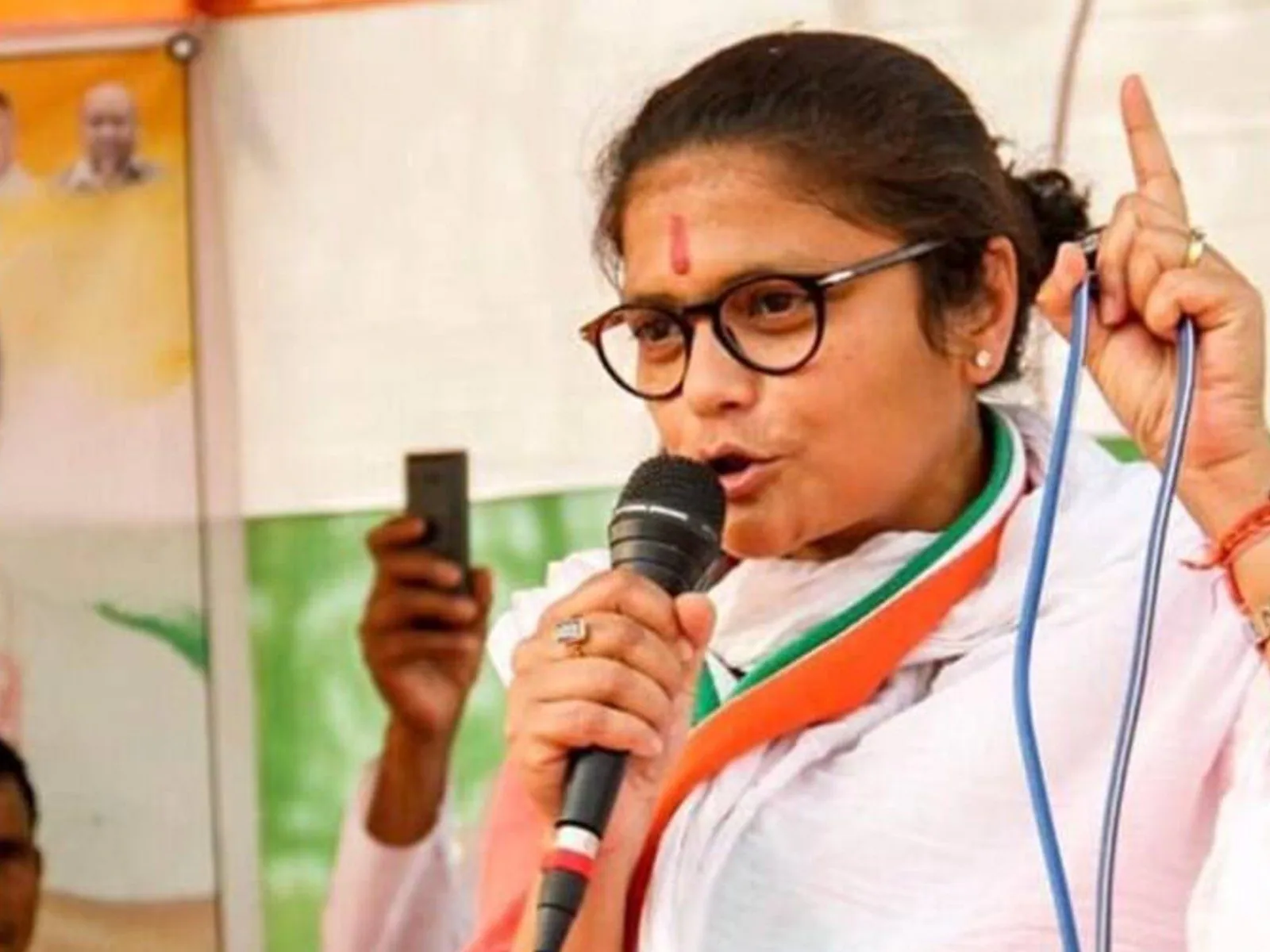
Former Trinamool Congress leader Sushmita Dev has opened up about her decision to leave the party, asserting that the political landscape in Assam offers little scope for the party’s growth and that electoral realities compelled her to reassess her political future. Her remarks provide fresh insight into the challenges faced by regional parties attempting to expand beyond their traditional strongholds.
Speaking about her resignation, Dev indicated that her decision was not abrupt but the result of a long period of reflection. According to her, developments in both Assam and West Bengal played a crucial role in shaping her political assessment. She argued that the mandate delivered by voters in West Bengal reinforced the perception of the Trinamool Congress as a state-centric political force, limiting its ability to emerge as a significant player in Assam.
Electoral Realities Influenced the Decision
Dev suggested that despite efforts to establish a presence in Assam, the party struggled to gain meaningful political traction in the northeastern state. She maintained that the electoral environment in Assam remains highly competitive, with established political forces dominating public support and organizational networks.
Her assessment was that the Trinamool Congress lacked the necessary political momentum to challenge entrenched players effectively. As a result, she concluded that continuing within the party would not allow her to pursue her political objectives in a meaningful manner.
The former parliamentarian emphasized that politics requires both ideological commitment and practical viability. In her view, political organizations must demonstrate the ability to connect with voters and build sustained grassroots support if they hope to influence governance and public policy.
Bengal Mandate Shaped Political Perceptions
One of the central themes in Dev’s explanation was the impact of electoral outcomes in West Bengal. She argued that while the Trinamool Congress has maintained a strong position in Bengal, that success has not automatically translated into acceptance in other states.
According to her, the party’s identity remains closely associated with West Bengal, making expansion into regions with different political dynamics considerably more difficult. She suggested that voters in Assam viewed the party through the lens of Bengal politics, creating obstacles to wider acceptance.
Dev noted that electoral mandates often send broader political messages beyond immediate victories or defeats. In this case, she believes the results reinforced the notion that the Trinamool Congress remains primarily a Bengal-focused organization rather than a national political force capable of making substantial gains elsewhere. 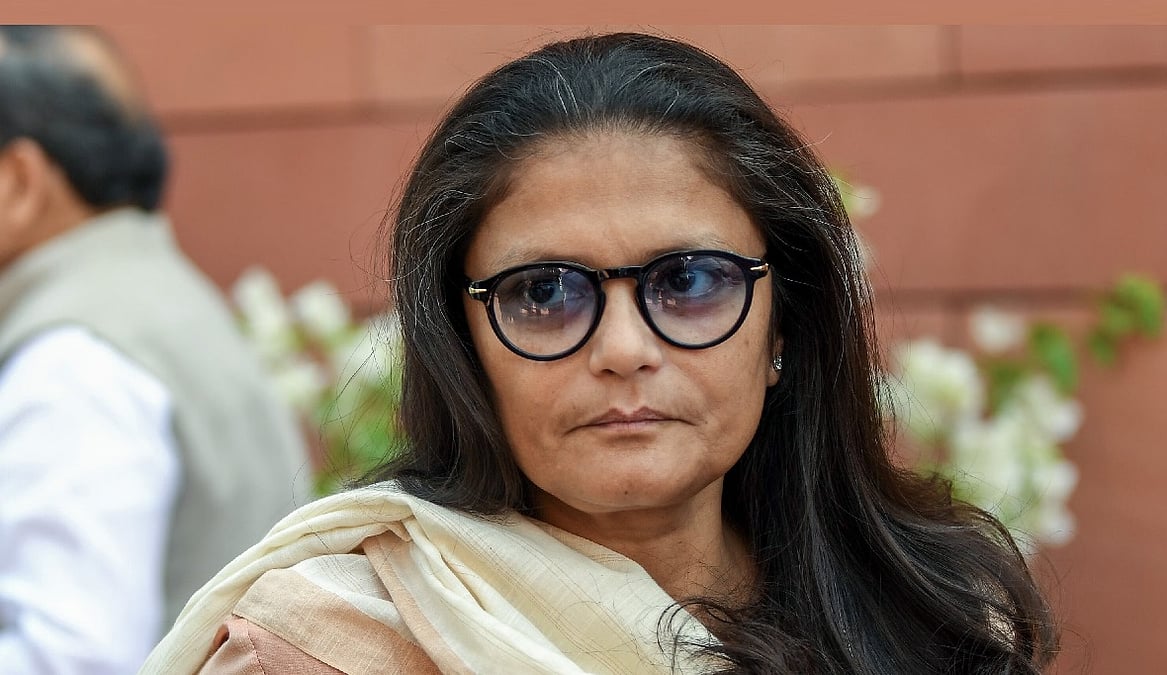
Challenges of Regional Expansion
The former leader’s comments also highlight a broader issue faced by many regional parties in India: the challenge of expanding beyond their core geographical base.
Political analysts have long observed that while regional parties can achieve significant influence within their home states, replicating that success in other regions often proves difficult. Differences in local issues, voter priorities, organizational structures, and political culture can limit expansion efforts.
Dev’s observations underscore these challenges. She suggested that political success in one state does not guarantee acceptance elsewhere and that parties seeking national relevance must develop strong local leadership and organizational networks in each region they target.
Future Political Direction
While explaining her departure, Dev did not present her decision as a rejection of regional politics but rather as an acknowledgment of practical political realities. She stressed the importance of remaining connected to the aspirations and concerns of voters in Assam.
Her remarks indicate a desire to pursue political engagement through a platform she believes has stronger prospects in the state. Although she refrained from framing her exit as a personal dispute with party leadership, her comments clearly reflected strategic concerns about the party’s future and electoral viability.
Observers view her departure as a notable development, given her prominence in Assam politics and her role in the Trinamool Congress during a period when the party was attempting to expand its national footprint.
Implications for the Trinamool Congress
Dev’s exit raises questions about the Trinamool Congress’s ambitions beyond West Bengal. The party has, in recent years, sought to increase its presence in multiple states and position itself as a significant opposition force on the national stage.
However, retaining influential leaders outside Bengal remains a key challenge. Political departures by prominent figures can affect organizational momentum and complicate efforts to establish durable regional structures.
At the same time, the party continues to maintain a strong base in West Bengal, where it remains a dominant political force. Whether it can successfully broaden its appeal across India remains a subject of debate among political observers.
Conclusion
Sushmita Dev’s explanation for leaving the Trinamool Congress reflects a pragmatic assessment of Assam’s political environment and the limitations she perceives in the party’s expansion strategy. By arguing that the party has little electoral future in Assam and citing the broader implications of West Bengal’s political mandate, she has offered a candid perspective on the challenges of regional party growth in India.
Her departure marks another significant chapter in the evolving political landscape of Assam and may influence discussions about the future trajectory of opposition politics in the region. As political alignments continue to shift, Dev’s comments are likely to remain part of the broader conversation about regional parties, electoral strategy, and political representation in contemporary India.