
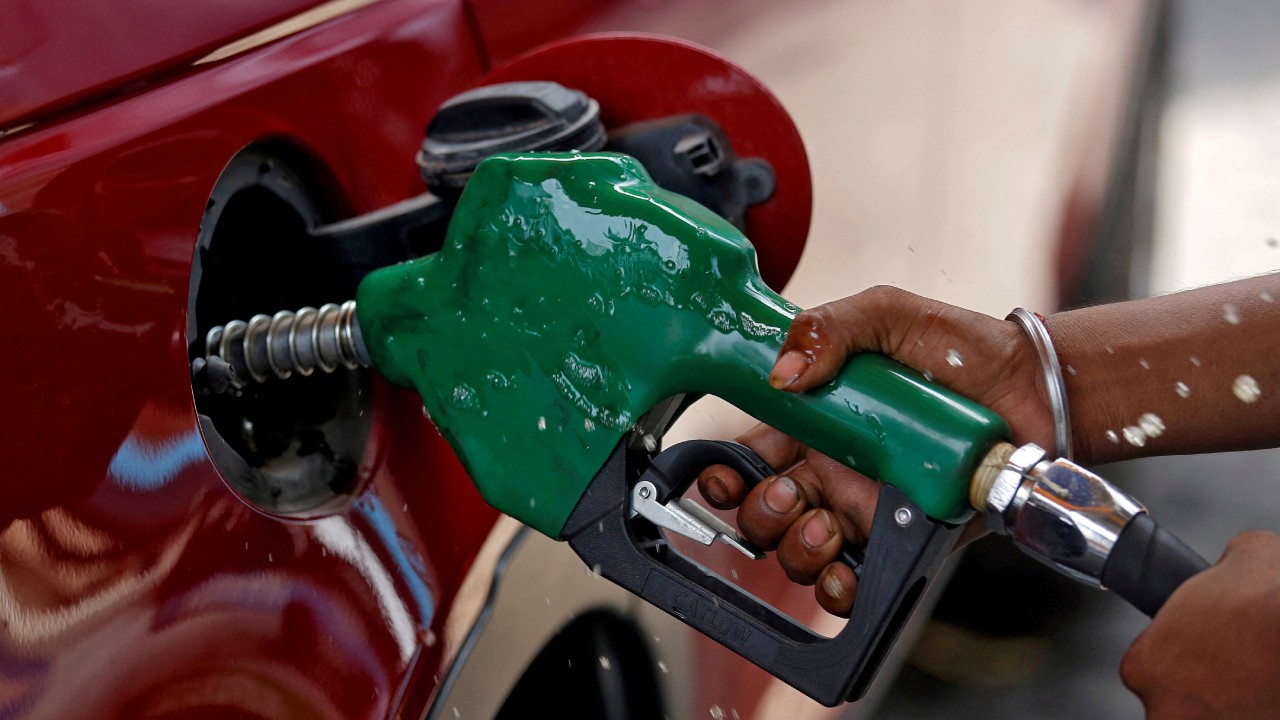
In a significant policy move aimed at encouraging cleaner fuel consumption and strengthening India’s energy security framework, the Central Government has announced a reduction in excise duty on petrol blended with ethanol. The decision comes at a time when global energy markets continue to face volatility due to geopolitical tensions and uncertainty surrounding crude oil supplies.
The latest measure is expected to provide a boost to the country’s ambitious ethanol blending programme while reinforcing efforts to reduce dependence on imported fossil fuels. The government has consistently promoted biofuels as a strategic component of its long-term energy policy, viewing ethanol blending as an effective way to lower emissions, support farmers, and improve fuel sustainability.
Push for Ethanol-Based Fuels
The reduction in excise duty is designed to make ethanol-blended petrol more economically attractive and encourage wider adoption across the country. Ethanol, a renewable fuel typically produced from agricultural feedstocks such as sugarcane and grains, has become a key pillar of India’s clean energy strategy.
Officials believe that increasing the use of ethanol-blended fuel can help reduce the nation’s reliance on imported crude oil while contributing to environmental goals. By lowering the tax burden on blended petrol, the government aims to create stronger incentives for oil marketing companies and consumers alike.
The move aligns with India’s broader objective of achieving higher ethanol blending levels in transportation fuels. Over the past few years, authorities have steadily expanded blending targets and invested in infrastructure required for large-scale implementation. 
Energy Security Gains Importance
The policy announcement comes against the backdrop of heightened uncertainty in global oil markets. International geopolitical developments have repeatedly triggered concerns about disruptions in crude oil supply chains and fluctuations in energy prices.
As one of the world’s largest importers of crude oil, India remains vulnerable to external shocks that can influence domestic fuel costs and economic stability. Enhancing the use of domestically produced biofuels is viewed as a practical strategy to mitigate these risks.
Experts note that every increase in ethanol blending contributes to lower crude oil import requirements. This not only improves energy security but also helps conserve foreign exchange reserves that would otherwise be spent on purchasing petroleum products from international markets.
Benefits for Farmers and Rural Economy
The government’s ethanol programme also carries significant implications for the agricultural sector. Increased demand for ethanol production creates additional market opportunities for farmers supplying sugarcane and other feedstocks.
By strengthening the biofuel ecosystem, policymakers hope to generate new sources of rural income and improve the economic viability of agricultural production. Ethanol manufacturing facilities and related supply chains are also expected to create employment opportunities in rural and semi-urban regions.
Industry stakeholders have often highlighted the dual benefits of ethanol blending—supporting both environmental objectives and agricultural growth. The latest tax relief is expected to further reinforce these advantages. 
Environmental and Sustainability Objectives
Reducing dependence on conventional fossil fuels remains a central component of India’s climate and sustainability agenda. Ethanol-blended petrol is considered a cleaner alternative because it can help lower carbon emissions compared to pure petrol.
The government has repeatedly emphasized the importance of expanding renewable and alternative energy sources to meet future transportation needs. Greater use of biofuels is expected to contribute to emission reduction targets while promoting a more diversified energy mix.
Environmental experts argue that sustained policy support, including tax incentives and infrastructure investments, will be essential to ensuring long-term success in the transition toward cleaner fuels.
Impact on Fuel Consumers
While the reduction in excise duty primarily targets ethanol-blended petrol, the broader objective is to make cleaner fuels more competitive within the market. Consumers could benefit from increased availability of blended fuel options as the distribution network expands.
The policy also sends a strong signal regarding the government’s commitment to promoting alternative fuels and reducing vulnerability to international energy price fluctuations. Over time, continued progress in ethanol blending could contribute to a more resilient and sustainable fuel economy.
Looking Ahead
India’s ethanol blending initiative has gained momentum in recent years and is increasingly viewed as a cornerstone of the country’s energy transformation strategy. The latest excise duty reduction represents another step toward achieving higher blending targets and strengthening domestic energy resilience.
As global oil markets remain unpredictable, policymakers are expected to continue exploring measures that support renewable fuels, reduce import dependence, and enhance long-term energy security. The decision underscores the government’s determination to balance economic, environmental, and strategic priorities while advancing the nation’s clean energy ambitions.