

A political controversy has emerged over the delayed release and handling of data from the sixth round of the National Family Health Survey (NFHS-6), with opposition leaders raising concerns about transparency and accountability while the government has strongly defended its approach.
The dispute has brought the spotlight back on one of India’s most important public health surveys, which serves as a critical source of information for policymakers, researchers, healthcare professionals, and development agencies. The survey provides detailed insights into the country’s health indicators, including maternal and child health, nutrition levels, fertility trends, immunisation coverage, and various socio-economic parameters.
Opposition Raises Questions Over Delay and Transparency
The controversy intensified after senior opposition leaders questioned the status of the NFHS-6 data and sought clarification from the government regarding the reasons for delays in its publication and dissemination.
Critics argued that the survey’s findings are crucial for evaluating the effectiveness of public welfare programmes and understanding evolving health challenges across the country. They expressed concerns that any delay in releasing comprehensive data could hinder evidence-based policymaking and restrict public access to important information about the nation’s health landscape.
Opposition leaders emphasized that health surveys of this scale play a vital role in shaping government interventions and monitoring progress toward national development goals. They contended that transparency in data collection, analysis, and publication is essential for maintaining public trust in official statistics. 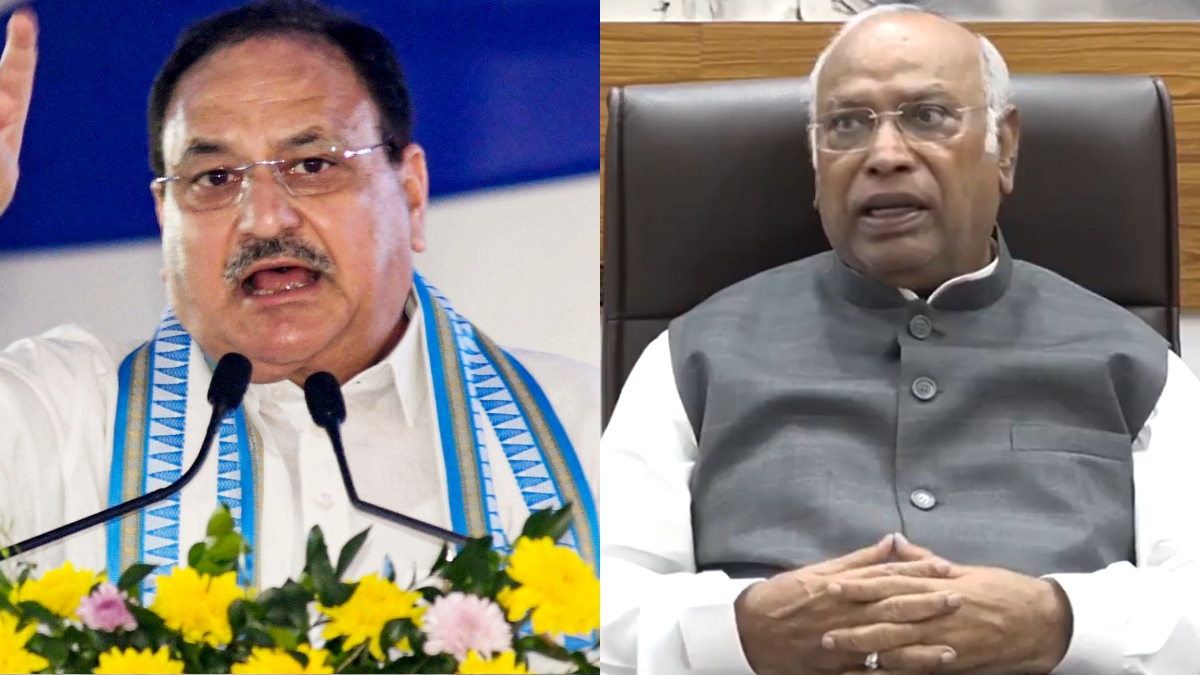
Government Rejects Allegations
Responding to the criticism, Union Health Minister JP Nadda firmly rejected allegations suggesting any lack of transparency or deliberate withholding of information.
The government maintained that the survey process involves extensive scientific procedures, including data collection, verification, validation, and analysis. Officials argued that ensuring the accuracy and reliability of findings is a complex exercise that requires time and careful scrutiny before results can be released.
The minister defended the integrity of India’s statistical and health data systems, stating that established protocols are followed to ensure the credibility of national surveys. He also criticized attempts to politicize technical and administrative processes associated with large-scale health studies.
According to the government’s position, the focus remains on ensuring that any information released to the public meets rigorous quality standards and accurately reflects conditions across the country.
Importance of NFHS-6 for Public Policy
The National Family Health Survey is widely regarded as one of India’s most comprehensive health and demographic studies. Conducted periodically, it collects information from households across states and union territories, creating a detailed picture of social and health trends.
The sixth round of the survey is expected to provide updated data on several key indicators, including:
Maternal mortality and maternal healthcare access
Child nutrition and stunting levels
Immunisation coverage
Fertility and population trends
Women’s health and empowerment
Family planning practices
Non-communicable diseases
Access to healthcare services
Socio-economic and demographic indicators
Experts note that such information is essential for designing targeted welfare schemes and identifying regions that require additional healthcare support. 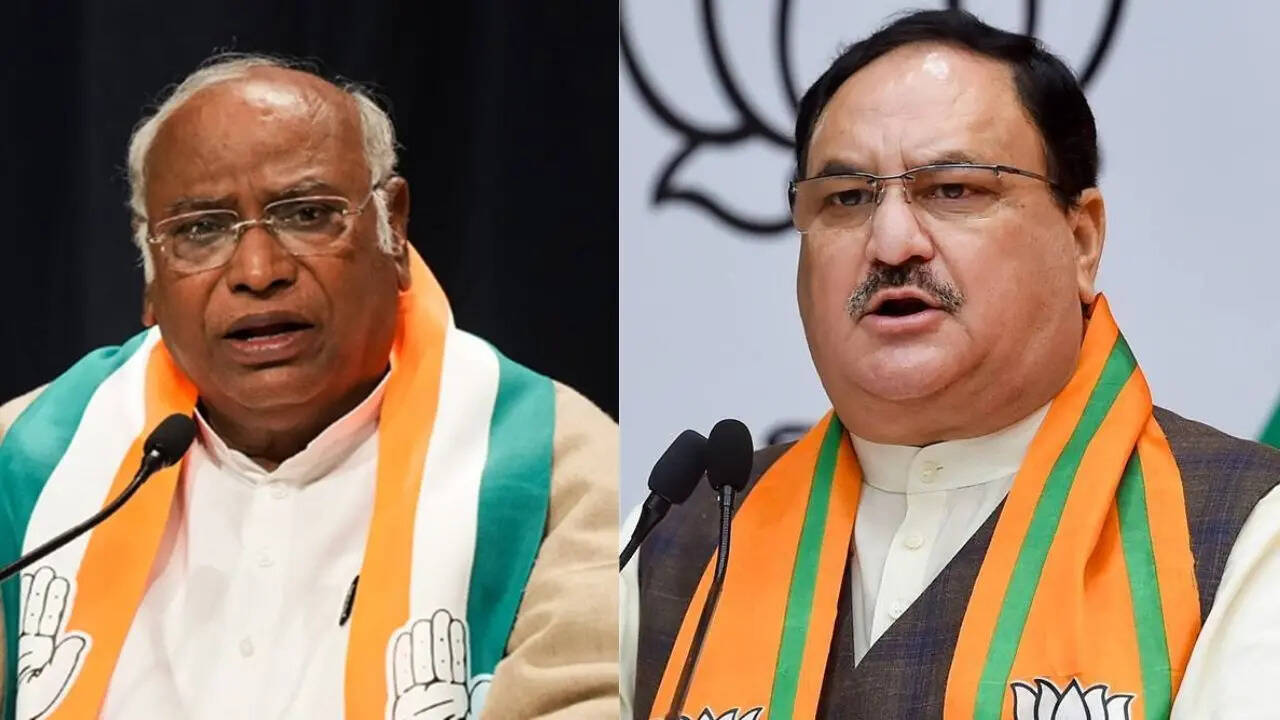
Broader Debate on Public Data Accessibility
Beyond the immediate political exchange, the controversy has sparked a broader discussion about access to public data and the role of government agencies in communicating statistical findings.
Public health researchers and policy analysts frequently rely on NFHS datasets to evaluate long-term trends and measure the effectiveness of healthcare initiatives. Timely publication of survey results enables governments, academic institutions, and civil society organisations to formulate informed recommendations and interventions.
Advocates of greater transparency argue that publicly funded surveys should be made available in a timely manner while maintaining scientific rigor. At the same time, officials stress that premature release of incomplete or unverified information could lead to inaccurate conclusions and policy missteps.
Survey Data and Political Accountability
Health data has increasingly become a subject of political debate in India, particularly as governments at both the national and state levels seek to demonstrate progress in healthcare delivery and social development.
The NFHS findings often influence discussions on nutrition, women’s welfare, healthcare infrastructure, and poverty alleviation. Consequently, delays or disagreements surrounding survey data can quickly become politically sensitive.
Analysts believe the current dispute reflects a larger tension between demands for immediate public disclosure and the government’s insistence on comprehensive verification processes. While opposition parties are seeking greater clarity regarding the status of NFHS-6 findings, the government continues to defend its handling of the survey.
Looking Ahead
As questions surrounding NFHS-6 continue to generate political debate, stakeholders across the healthcare and policy sectors are awaiting the eventual release of detailed findings. The survey is expected to offer valuable insights into India’s health indicators at a time when policymakers are focusing on strengthening healthcare systems and improving social welfare outcomes.
The controversy underscores the significance of reliable health statistics in shaping public policy and highlights the growing importance of transparency, accountability, and data-driven governance in contemporary India.