
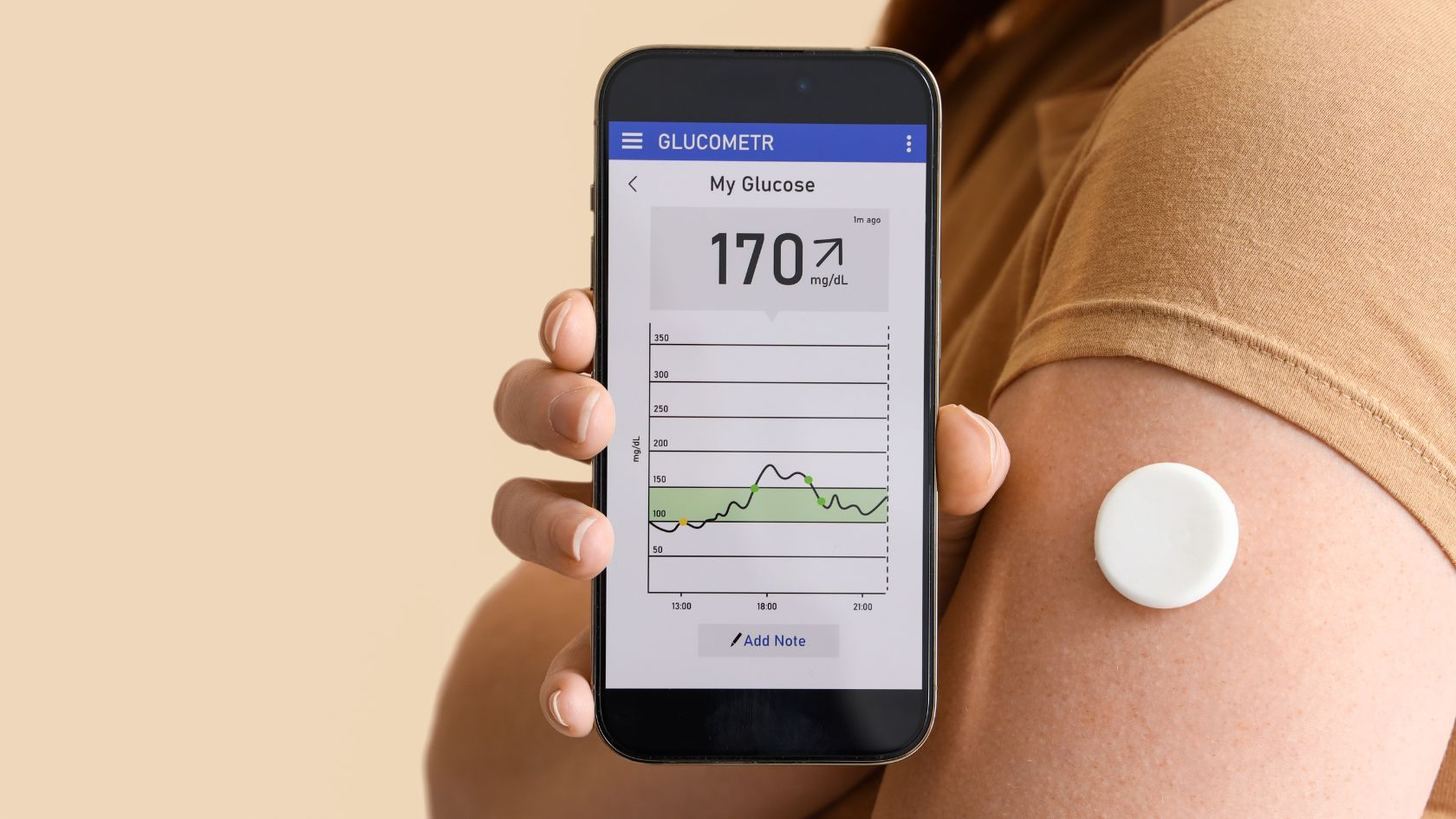
Diabetes management is witnessing a major transformation as technology increasingly shifts healthcare from periodic checkups to continuous, real-time monitoring. With diabetes cases rising across the globe, healthcare experts are focusing on smarter and more personalized solutions that empower patients to understand and manage their condition more effectively.
More than 530 million adults worldwide currently live with diabetes, and the number continues to grow. India alone is home to over 100 million people affected by the disease, making it one of the countries carrying the highest diabetes burden. The increasing prevalence has intensified the need for innovative healthcare solutions that go beyond conventional diagnostics and treatment.
A Shift Toward Real-Time Metabolic Visibility
Traditionally, diabetes care depended heavily on occasional blood tests and laboratory reports. While these methods provided valuable information, they often offered only a limited picture of a patient’s metabolic health.
Healthcare technology is now changing that model by introducing continuous monitoring systems that provide real-time insights into blood glucose levels. Experts believe this transition represents a significant move from reactive healthcare to preventive and proactive disease management.
According to Sandeep, Co-Founder of Heald, diabetes management largely revolves around behavior modification. He explains that meaningful lifestyle changes become easier when individuals can clearly see how their daily habits affect their metabolic health.
Continuous Glucose Monitoring Brings Greater Awareness
One of the biggest advancements in diabetes care is Continuous Glucose Monitoring (CGM), which allows patients to track glucose levels throughout the day instead of relying on isolated readings.
Unlike traditional tests that capture only a single moment, CGMs reveal how food choices, stress, sleep quality and physical activity influence glucose fluctuations. This detailed understanding enables individuals to identify patterns and make timely adjustments to their lifestyle.
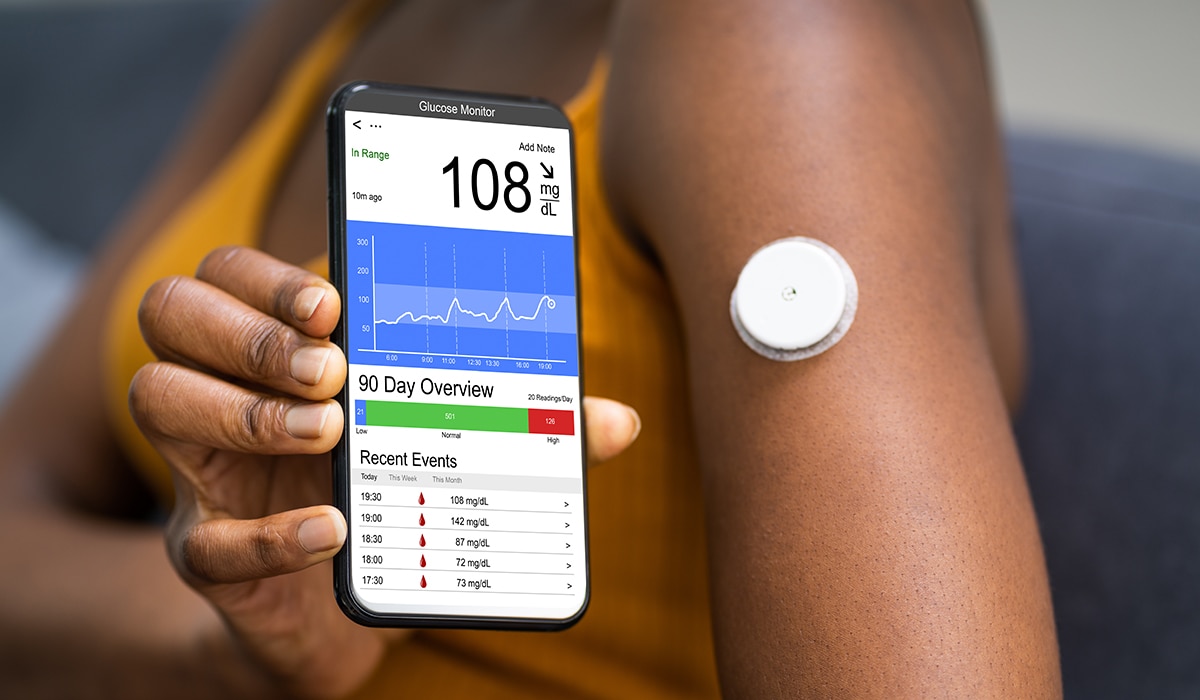
At Heald, CGM data is integrated with multiple health inputs through a dedicated application. Information from smart scales, food logs and lifestyle tracking systems is combined to provide users with a comprehensive picture of their health.
Sandeep believes the real breakthrough lies not in gathering data but in connecting various health indicators to create meaningful insights. When patients observe how certain habits consistently affect their glucose levels, they become more motivated to adopt healthier behaviors.
Smart Devices Offer Early Warning Signals
Smart scales are also playing an increasingly important role in modern diabetes management. Weight trends, when analyzed alongside glucose readings, can provide early indicators of metabolic changes.
Instead of waiting months for laboratory tests to reveal potential problems, healthcare teams can identify concerning trends much earlier and intervene before complications arise.
This approach helps transform diabetes care from delayed reaction to timely prevention.
Making Health Data Easier to Understand
Although connected devices generate enormous amounts of information, many patients struggle to interpret the numbers. Excessive data without proper guidance can often create confusion rather than empowerment.
To address this challenge, Heald focuses on converting complex readings into simple and practical recommendations. Users receive personalized insights that may include identifying hidden glucose triggers, healthier meal alternatives and reminders linked to sleep quality or stress management.
According to Sandeep, the objective of technology should be to simplify healthcare rather than overwhelm patients with excessive information.
Remote Monitoring Strengthens Patient Support
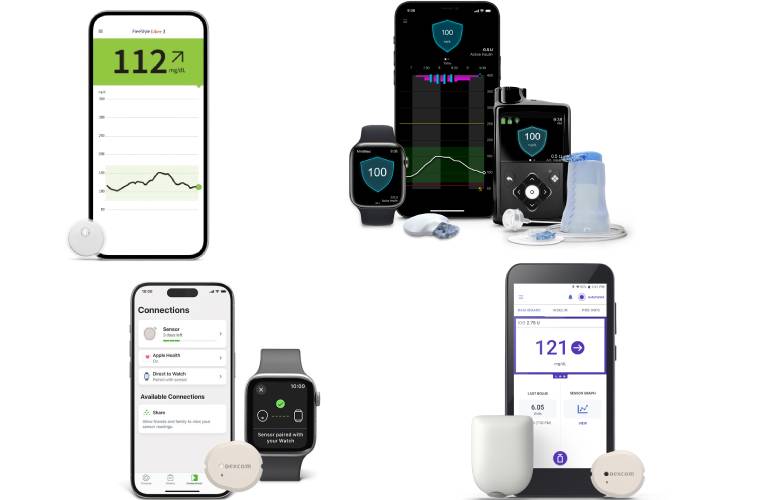
Digital platforms are also enabling healthcare professionals to monitor patient progress remotely. Coaches and clinicians can track trends in real time and identify warning signs before scheduled consultations.
Whether it involves recurring glucose spikes after specific meals or gradual weight gain resulting from reduced physical activity, early detection allows healthcare teams to provide timely guidance and prevent further deterioration.
This continuous feedback system is gradually replacing episodic treatment models with ongoing and adaptive care.
Expanding Access Through Digital Infrastructure
As smartphone penetration increases and connected devices become more affordable, digital healthcare solutions are becoming accessible to a larger population.
Technologies that were once considered premium services are now creating opportunities for scalable chronic disease management, particularly in countries where healthcare access remains uneven.
Industry experts believe that early interventions supported by technology can significantly reduce the need for major medical treatments in the future.
The integration of glucose monitoring devices, smart scales, food tracking tools, stress assessments and behavioral reminders is creating an interconnected healthcare ecosystem rather than isolated solutions.
Technology Supports Human Expertise
Despite rapid advancements, healthcare professionals emphasize that digital tools are intended to complement doctors, not replace them.
Medical experts continue to oversee diagnosis and treatment decisions, while technology improves the quality of information available to both physicians and patients.
Instead of relying solely on occasional laboratory reports, doctors can now evaluate long-term trends and provide highly personalized recommendations based on continuous health data.
Sandeep stresses that technology offers visibility, but meaningful transformation occurs when digital insights are combined with expert human guidance.
A New Chapter in Diabetes Care
As diabetes rates continue to climb worldwide, connected health technologies are expected to play an increasingly important role in chronic disease management.
Experts believe the future of diabetes care may depend not only on pharmaceutical breakthroughs but also on intelligent digital systems that make previously invisible metabolic processes visible and actionable.
With smartphones becoming powerful health management tools, patients are gaining unprecedented control over their condition, ushering in a new era of personalized and data-driven healthcare.