
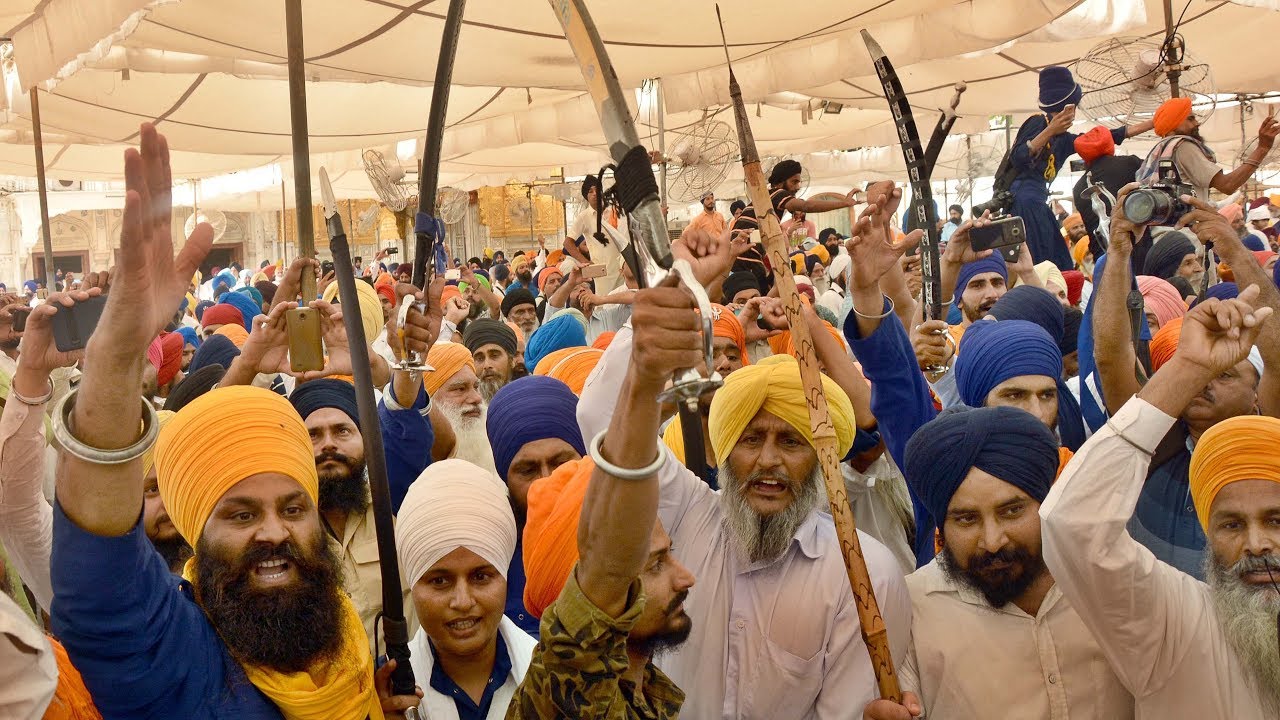
The anniversary of Operation Blue Star was commemorated at the Akal Takht in Amritsar with the display of pro-Khalistan slogans and posters featuring Jarnail Singh Bhindranwale, one of the most controversial and influential figures associated with the events surrounding the military operation carried out in 1984. The observance drew significant attention as members of various Sikh groups gathered to remember those who lost their lives during the operation, which remains one of the most sensitive and debated chapters in modern Indian history.
The commemorative event took place within the premises of the Golden Temple complex, where devotees, religious leaders, and supporters of various Sikh organizations assembled to pay tribute to individuals who were killed during Operation Blue Star. The anniversary is observed every year by sections of the Sikh community who view the military action as a deeply painful event that left lasting scars on Sikh religious and political consciousness.
During the gathering, slogans supporting the Khalistan movement were reportedly raised by some attendees. Posters and banners featuring Bhindranwale were also prominently displayed around the Akal Takht, the highest temporal seat of Sikh authority. Bhindranwale continues to be viewed differently across various sections of society. While some regard him as a religious leader and martyr, others associate him with the rise of militancy in Punjab during the late 1970s and early 1980s.
The anniversary events included religious prayers, tributes, and speeches delivered by Sikh leaders and representatives of religious organizations. Participants remembered those who died during the operation and emphasized the importance of preserving the memory of the events that unfolded in June 1984. Several speakers highlighted the emotional and historical significance of Operation Blue Star for the Sikh community, describing it as a defining moment that continues to influence political and religious discourse decades later. 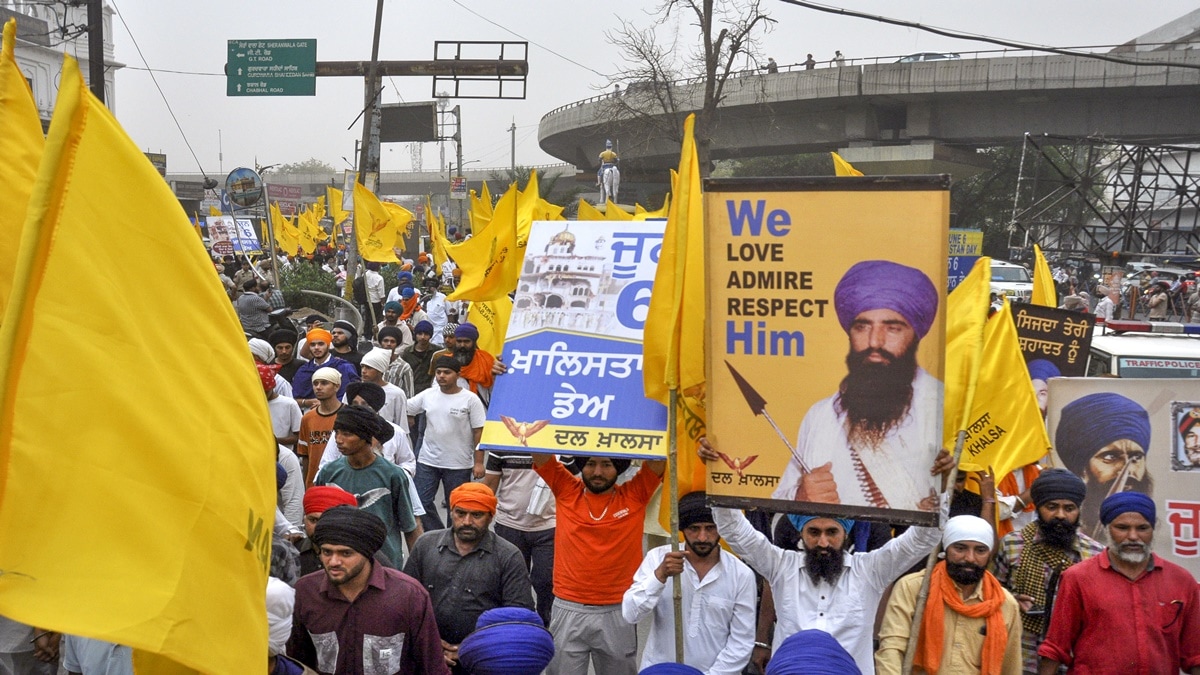
Security arrangements in and around the Golden Temple complex remained extensive as authorities monitored the situation to ensure that the commemorative events proceeded peacefully. Law enforcement personnel maintained a visible presence in the area, given the sensitivity of the occasion and the potential for large public gatherings.
Operation Blue Star was launched by the Indian Army in June 1984 with the objective of removing armed militants who had taken shelter inside the Golden Temple complex. The military action resulted in significant casualties and damage to parts of the complex, triggering widespread reactions across Punjab and among Sikh communities worldwide. The operation remains a subject of intense debate, with differing interpretations regarding its necessity, execution, and long-term consequences.
Over the years, the anniversary of Operation Blue Star has continued to evoke strong emotions among many Sikhs. Memorial events often serve as occasions for reflection, remembrance, and discussion about the historical impact of the operation. The appearance of pro-Khalistan slogans and Bhindranwale imagery during such commemorations frequently attracts public and political attention due to the continuing sensitivity surrounding separatist narratives and their place within contemporary discourse.
Political observers note that references to Operation Blue Star, Bhindranwale, and Khalistan remain influential in certain segments of Punjab’s socio-political landscape. While the majority of Sikh religious observances focus on remembrance and community solidarity, displays associated with separatist sentiments often generate wider debate about national unity, historical grievances, and freedom of expression.
The latest anniversary gathering once again underscored the enduring legacy of Operation Blue Star and its continued relevance in discussions about Sikh identity, historical memory, and Punjab’s political landscape. More than four decades after the operation, the events of June 1984 continue to shape narratives, emotions, and public discourse both within India and among Sikh communities across the world.