
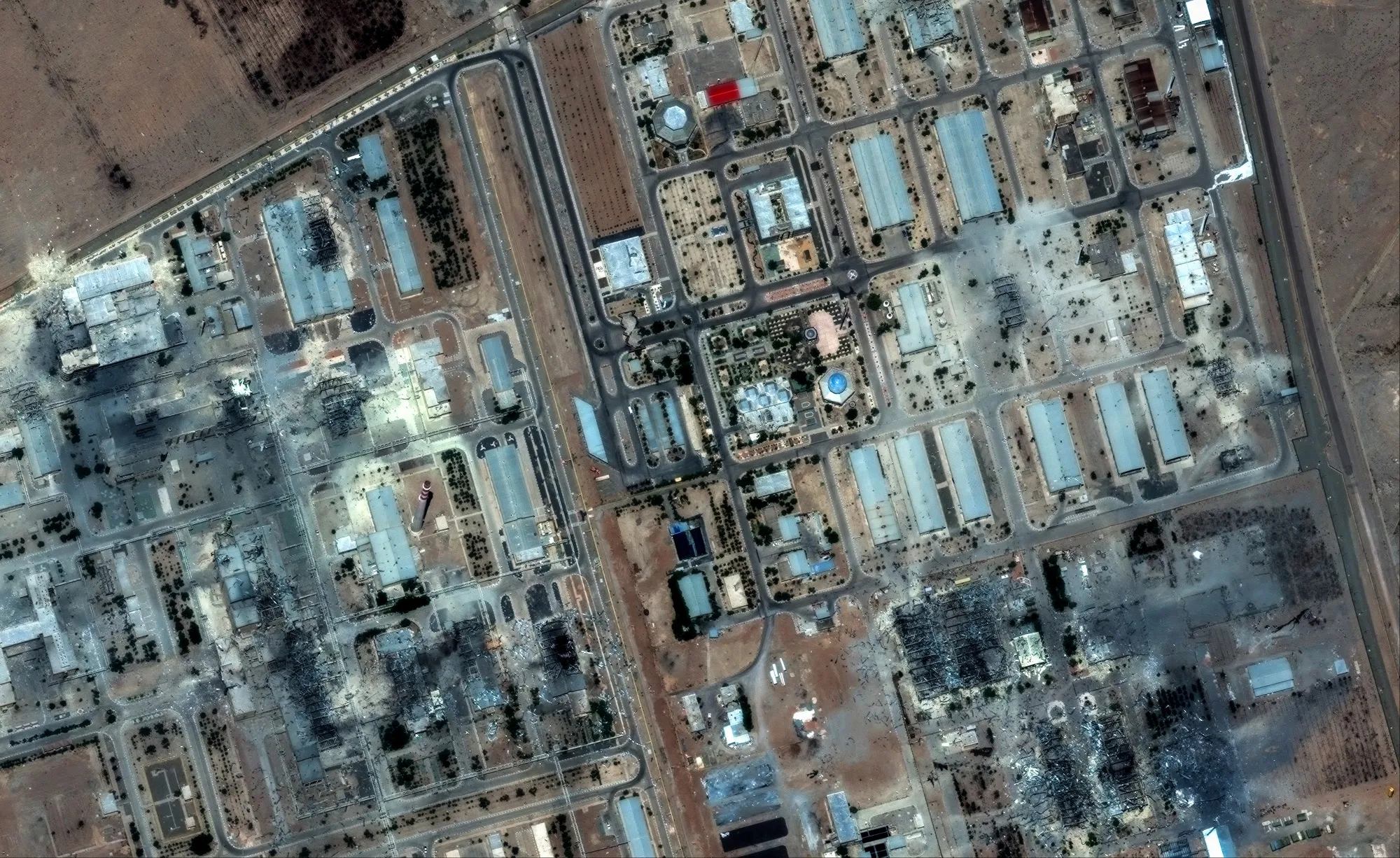
The International Atomic Energy Agency (IAEA) has expressed growing concern over its inability to carry out inspections at key Iranian nuclear facilities and independently verify the country’s stockpile of enriched uranium. The development has intensified international scrutiny of Iran’s nuclear activities and reignited debates over transparency, compliance, and regional security.
According to the UN nuclear watchdog, inspectors have faced significant limitations in accessing nuclear-related sites and monitoring materials that could play a crucial role in assessing the current status of Iran’s nuclear program. The agency’s inability to confirm the location, quantity, and condition of enriched uranium has raised questions among global powers regarding the accuracy of available information about Iran’s nuclear capabilities.
Concerns Over Verification and Transparency
The IAEA’s primary role is to ensure that nuclear materials are used for peaceful purposes and that member states comply with international safeguards. However, limited access to facilities and nuclear materials has complicated the agency’s ability to provide an accurate assessment of Iran’s activities.
Officials have emphasized that without direct inspections and technical verification, the agency cannot fully account for the movement or storage of enriched uranium. Such verification is considered essential for maintaining confidence in international non-proliferation efforts and preventing misunderstandings that could escalate geopolitical tensions.
The situation has become particularly significant because enriched uranium can serve different purposes depending on its level of enrichment. While lower levels are commonly used for civilian energy production and scientific research, higher levels can raise concerns among governments and international observers about potential military applications. 
Growing International Attention
The restrictions on inspections come at a time when concerns over nuclear proliferation remain high across the Middle East and beyond. Several countries have called for greater transparency and cooperation between Iran and international monitoring agencies to ensure that diplomatic channels remain open and effective.
Western nations and regional stakeholders continue to monitor developments closely, viewing IAEA oversight as a critical mechanism for maintaining stability and preventing further escalation. The inability to independently verify nuclear materials has prompted renewed discussions about the importance of inspections, reporting requirements, and confidence-building measures.
Analysts note that verification challenges can complicate diplomatic negotiations aimed at addressing nuclear concerns. Accurate monitoring is often considered a cornerstone of international agreements designed to limit nuclear activities and provide assurances to the global community.
Impact on Nuclear Diplomacy
The latest concerns are expected to influence ongoing diplomatic efforts involving Iran and major world powers. Nuclear inspections have historically played a central role in negotiations, serving as a means of building trust and ensuring compliance with agreed commitments.
Experts argue that restoring full access for inspectors could help reduce uncertainty surrounding Iran’s nuclear program. Increased transparency may also create conditions more favorable for future diplomatic engagement and potential agreements addressing broader security concerns.
At the same time, the absence of verified information may deepen mistrust among countries already skeptical about Iran’s nuclear intentions. This could lead to increased political pressure, further international scrutiny, and calls for additional monitoring measures. 
Significance of Enriched Uranium Monitoring
The monitoring of enriched uranium is one of the most sensitive aspects of nuclear oversight. International inspectors rely on regular access, surveillance systems, and technical assessments to track nuclear materials and verify their declared use.
Without these mechanisms functioning effectively, the international community faces greater difficulty in determining whether nuclear materials remain dedicated to peaceful purposes. As a result, transparency and verification remain central issues in discussions involving Iran’s nuclear activities.
The IAEA has reiterated the importance of cooperation and access to ensure that it can fulfill its mandate. Agency officials continue to seek the information and inspections necessary to provide a comprehensive and independent assessment of Iran’s nuclear program.
Outlook
As diplomatic efforts continue, the question of inspection access is likely to remain a major issue in international discussions concerning Iran. The ability of the IAEA to verify nuclear materials and inspect relevant facilities will be closely watched by governments, policymakers, and security experts worldwide.
With global attention focused on nuclear transparency and regional stability, the coming weeks could prove crucial in determining whether international inspectors regain the access needed to assess Iran’s nuclear activities and provide greater clarity about the status of its enriched uranium stockpile.