
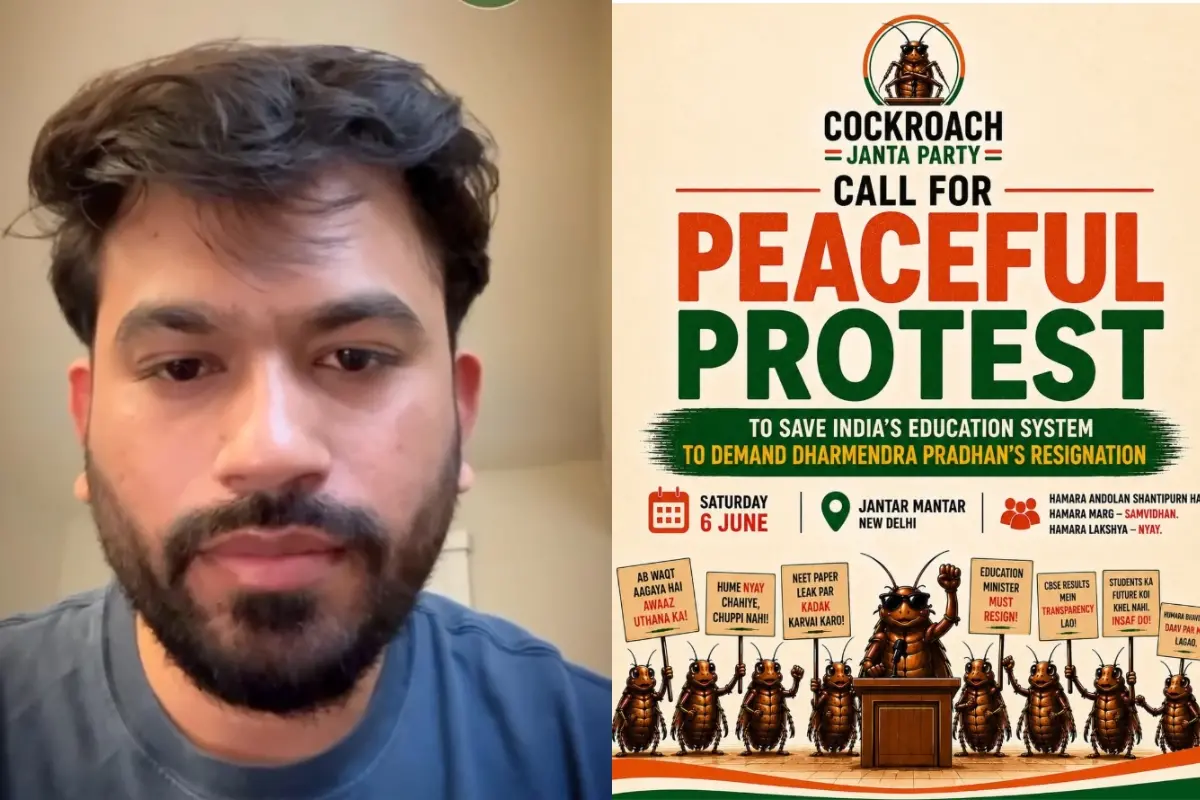
A planned protest at Delhi’s Jantar Mantar led by social media activist and Cockroach Janta Party (CJP) founder Abhijeet Dipke has emerged as one of the most closely watched youth-led movements in recent months, reflecting growing frustration among students over examination-related controversies and demands for greater accountability within India’s education system.
Dipke, who has built a significant online following through his political commentary and criticism of governance issues affecting young Indians, announced that he would return to India to participate in a peaceful demonstration in the national capital. The protest is expected to focus on concerns surrounding competitive examinations, alleged administrative lapses, and broader questions about transparency in educational institutions and testing mechanisms.
Growing Anger Over Examination Controversies
The proposed demonstration comes against the backdrop of widespread dissatisfaction among students and parents following a series of controversies involving major competitive examinations. Concerns regarding examination management, paper leaks, evaluation processes, and delays have generated intense public debate over the past several years.
According to Dipke and his supporters, the movement seeks to highlight the challenges faced by millions of students whose academic and professional futures are closely tied to high-stakes entrance and recruitment examinations. The campaign has positioned itself as a voice for students demanding accountability from authorities responsible for conducting these examinations. 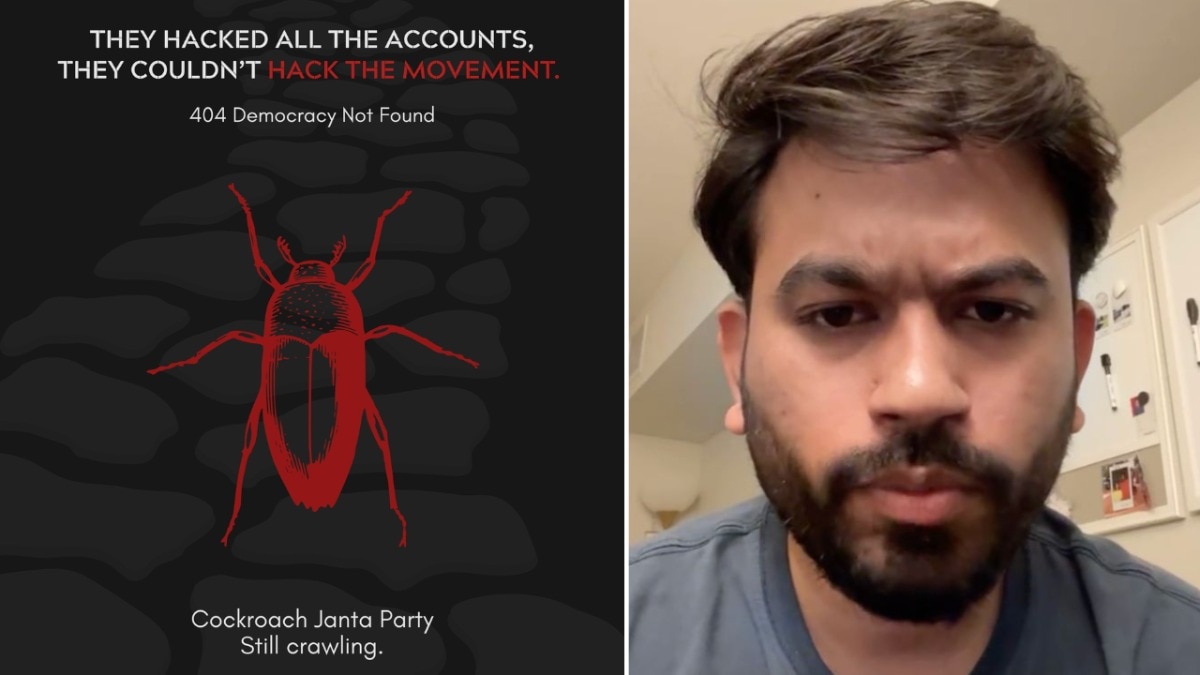
Protest Planned at Jantar Mantar
Jantar Mantar, long regarded as one of India’s most prominent sites for public demonstrations and civic activism, has been chosen as the venue for the protest. Dipke has repeatedly emphasized that the gathering is intended to remain peaceful and operate within constitutional and democratic principles.
In public statements, he has urged students, young citizens, and supporters from across the country to participate in the demonstration and raise concerns regarding the education system through lawful and non-violent means. The movement’s organizers have framed the event as an attempt to transform online activism into a physical expression of public opinion.
Expanding Support Base
The campaign has attracted attention beyond social media circles. Several activists, public figures, and supporters of education reform have expressed solidarity with the initiative, viewing it as an opportunity to highlight longstanding grievances among students.
The movement has also begun developing a more formal organizational structure. Ahead of the protest, the group announced the appointment of spokespersons from diverse professional backgrounds, including journalism, policy research, and corporate consulting. Organizers said the move was aimed at improving communication with the public and media while expanding the movement’s reach.
Questions Over Political Implications
As the protest has gained visibility, it has also attracted political scrutiny. Critics have questioned whether the movement could eventually evolve into a broader political platform, while supporters insist that the campaign’s primary objective remains educational accountability and student welfare.
The organization has publicly stated that it is not aligned with any political party and maintains that its demands are focused on systemic reforms rather than partisan objectives. Nevertheless, the rapid growth of the movement and its influence among younger demographics have prompted debate across political and social circles. 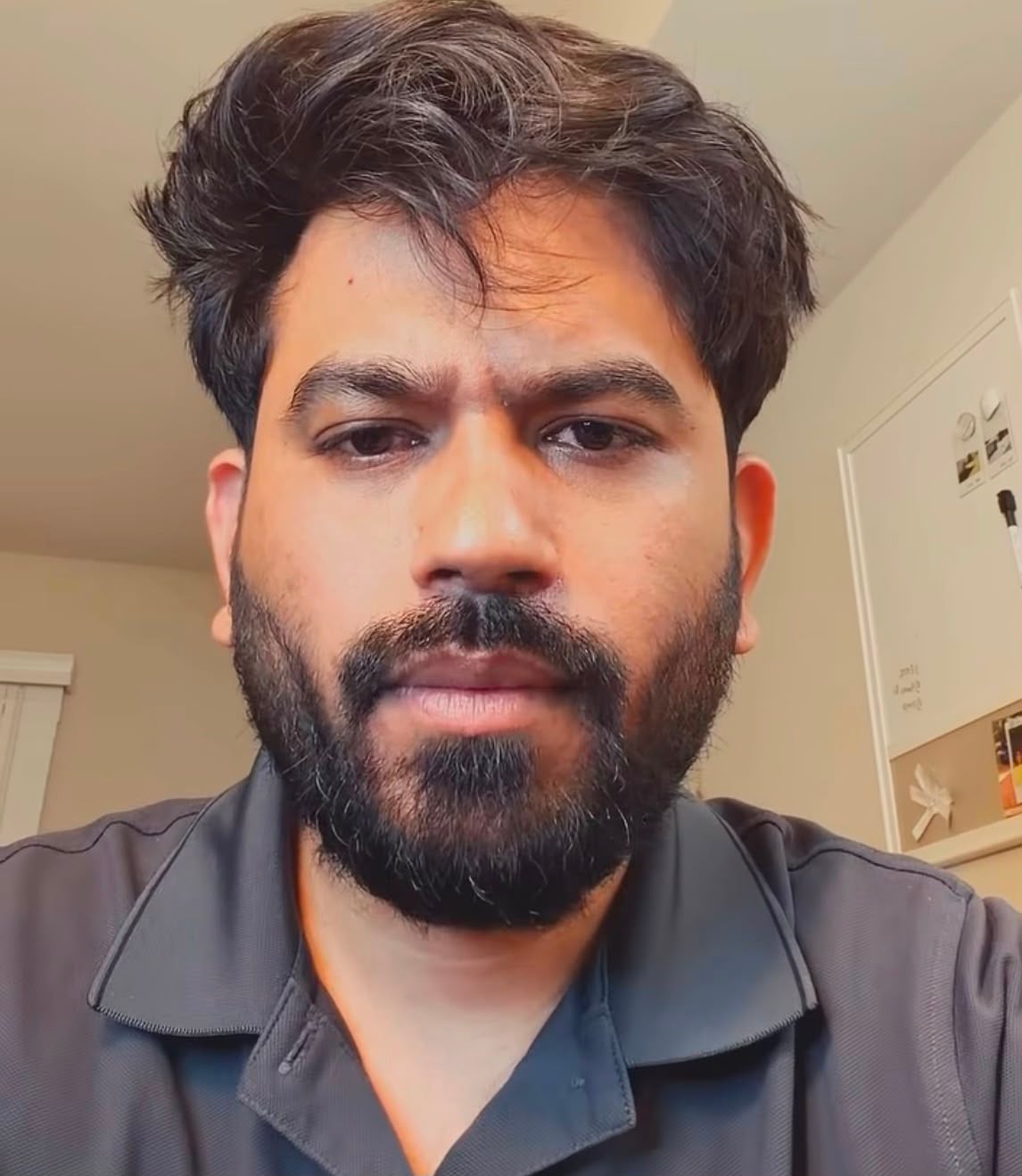
National Conversation on Youth Concerns
Observers note that the popularity of the campaign reflects deeper concerns among India’s youth regarding employment opportunities, examination systems, and governance. Rising anxiety about career prospects, combined with repeated examination controversies, has created fertile ground for movements that promise to amplify student voices.
The protest has become symbolic of a broader demand for transparency, institutional accountability, and reforms aimed at restoring confidence in competitive examinations. Analysts believe the event may serve as a significant indicator of how youth-driven digital movements are increasingly influencing public discourse and political conversations in India.
What Lies Ahead
With Dipke scheduled to arrive in Delhi and participate in the demonstration, attention is now focused on the scale of public participation and the response from authorities. Whether the protest succeeds in generating policy-level discussions remains to be seen, but it has already succeeded in drawing national attention to concerns shared by millions of students across the country.
As preparations continue, the planned gathering at Jantar Mantar represents more than a single protest. It has evolved into a larger conversation about the future of India’s education system, the expectations of its youth, and the mechanisms through which citizens seek accountability from public institutions.