
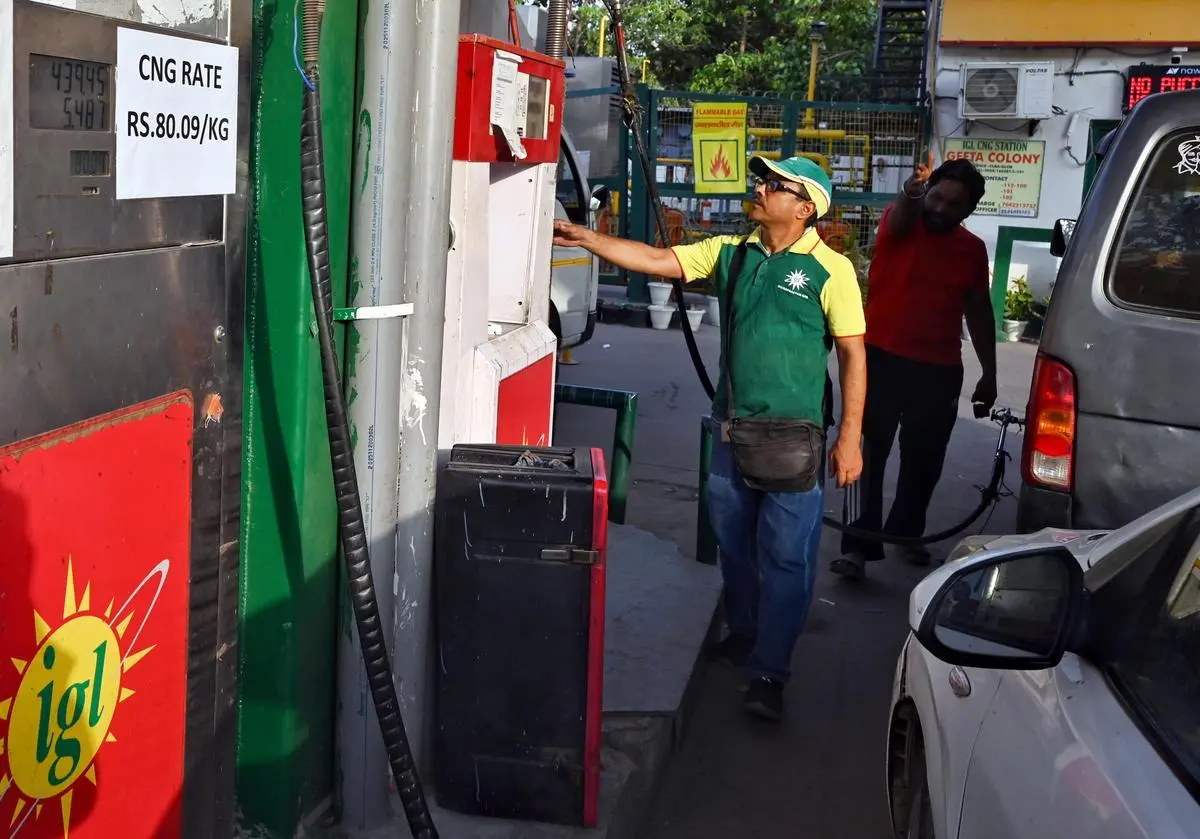
Compressed Natural Gas (CNG) prices have been raised by ₹2 per kilogram across several major Indian cities, marking the fourth increase in less than 15 days. The latest revision has added to concerns among daily commuters, transport operators, and businesses dependent on gas-powered vehicles as fuel expenses continue to climb steadily.
The fresh hike comes at a time when consumers are already facing mounting pressure from inflation and elevated transportation costs. Auto-rickshaw drivers, taxi operators, fleet owners, and delivery services are expected to feel the immediate impact, while experts believe the repeated increases may eventually influence the prices of goods and services in urban markets.
According to the revised pricing structure, the national capital and financial hub Mumbai have both witnessed notable increases in retail CNG rates. Gas distribution companies cited rising input costs and fluctuations in international energy markets as key reasons behind the repeated revisions.
Fourth Price Revision in Less Than 15 Days
The latest increase is significant because it marks the fourth upward revision in just over two weeks. Frequent adjustments in fuel pricing have created uncertainty among consumers and transport operators who rely heavily on CNG due to its comparatively lower operational cost than petrol and diesel.
Industry observers say the repeated hikes indicate sustained pressure on domestic gas supply economics. Factors such as rising global natural gas prices, supply chain disruptions, and higher import dependency have contributed to the increasing burden on city gas distributors.
Transport associations in several cities have expressed concern over the rapid increase in operational expenses. Many drivers believe that continued hikes could force them to demand fare revisions from local authorities to maintain profitability. 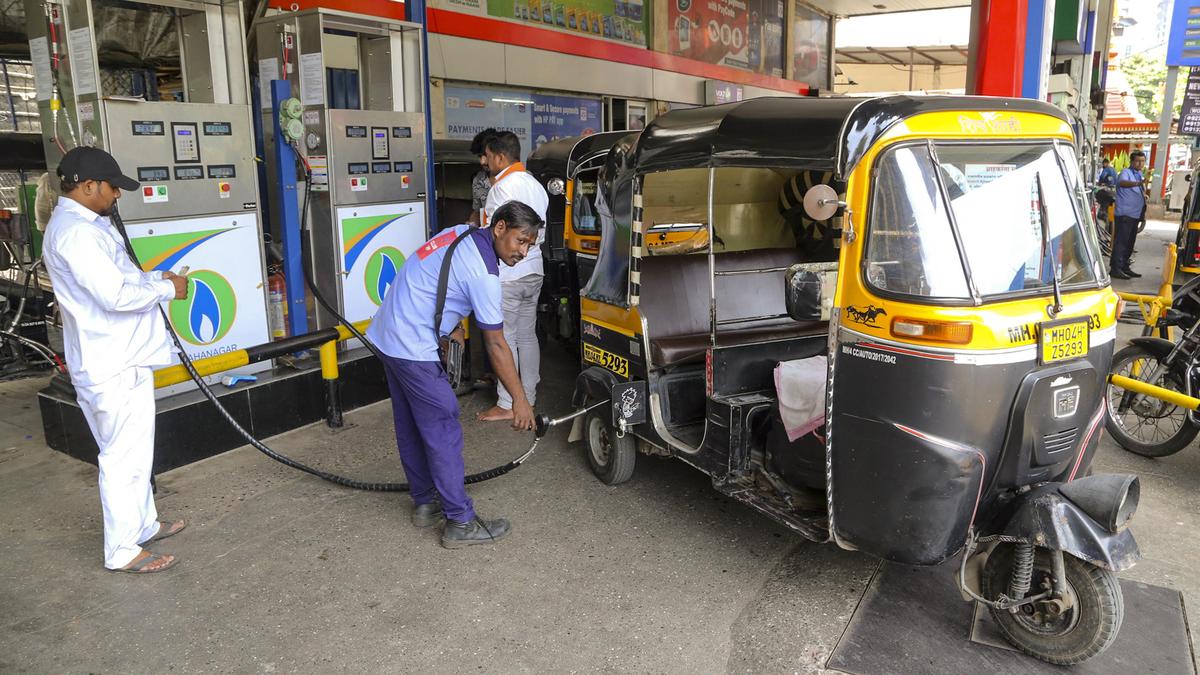
Impact on Daily Commuters and Public Transport
The increase in CNG prices is expected to directly affect public transportation systems, especially auto-rickshaws, taxis, and app-based cab services that predominantly use gas-powered vehicles. While individual consumers may initially experience only a marginal rise in travel expenses, the cumulative impact over time could become substantial.
Fleet operators and commercial vehicle owners are also reviewing operating budgets as fuel costs continue to rise. Delivery services, logistics companies, and small transport businesses may eventually pass the additional burden onto customers through increased service charges.
Experts warn that sustained fuel inflation can indirectly contribute to broader price increases in consumer goods due to higher transportation expenses across supply chains.
Reasons Behind the Continuous Hike
Energy analysts attribute the repeated increase in CNG prices to multiple domestic and international factors. Global geopolitical uncertainties, fluctuations in crude oil and natural gas markets, and higher import costs have intensified pricing pressure on energy companies.
In addition, the gap between demand and domestic natural gas production has increased dependence on imported liquefied natural gas (LNG), exposing city gas distributors to volatile international pricing trends.
Officials within the energy sector have indicated that companies are attempting to balance operational sustainability while ensuring uninterrupted supply to consumers. However, continued volatility in global markets may keep fuel prices under pressure in the near term. 
Consumers Concerned Over Rising Fuel Inflation
Consumers and transport workers have voiced frustration over the frequency of fuel price hikes. Many commuters who shifted to CNG vehicles to reduce running costs are now questioning whether the economic advantage is gradually shrinking.
Small business owners dependent on transportation have also raised concerns about increasing monthly expenditures. Experts believe that if the trend continues, there could be a renewed debate over government intervention, tax adjustments, or subsidy mechanisms to stabilize fuel prices.
Despite the recent increases, CNG remains relatively cheaper than petrol and diesel in many regions, which continues to support its popularity among urban commuters and commercial operators.
Outlook for the Energy Sector
Market analysts suggest that future pricing trends will largely depend on international natural gas rates and geopolitical developments affecting global energy supply. Any sustained disruption in energy-producing regions could further influence domestic fuel prices in India.
Consumers, meanwhile, are expected to closely monitor future revisions as transport costs continue to play a major role in household and business budgets. The recent series of hikes has reinforced concerns about inflationary pressures in the broader economy and their effect on everyday living expenses.