

World Brain Tumour Day 20
World Brain Tumour Day 2026: Seven Overlooked Warning Signs of Brain Tumours That Are Often Mistaken for Everyday Stress
As the world observes World Brain Tumour Day 2026, healthcare experts are emphasizing the importance of recognizing early symptoms that may indicate the presence of a brain tumour. Many of these warning signs are often dismissed as consequences of stress, fatigue, a demanding lifestyle, or common health issues, leading to delays in diagnosis and treatment.
Medical professionals stress that while experiencing one or more of these symptoms does not automatically indicate a brain tumour, persistent or worsening signs should never be ignored. Early detection remains one of the most critical factors in improving treatment outcomes and quality of life for patients.
Why Early Recognition Matters
Brain tumours can affect individuals of any age and may develop in different regions of the brain. Depending on their location, size, and growth rate, symptoms can vary significantly from one person to another.
One of the biggest challenges in diagnosing brain tumours is that many early symptoms mimic common conditions such as stress, migraines, sleep deprivation, anxiety, or age-related cognitive changes. This often results in delayed medical evaluation, allowing the condition to progress before appropriate treatment begins.
Health experts encourage people to pay close attention to persistent neurological changes and seek medical advice when symptoms become unusual, frequent, or progressively worse. 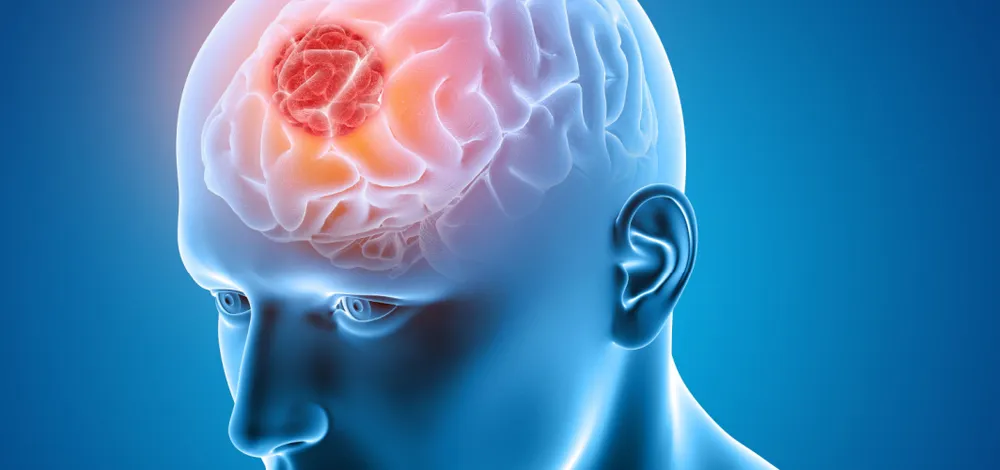
1. Persistent Headaches That Feel Different
Headaches are among the most commonly reported symptoms associated with brain tumours. However, not every headache is a cause for concern.
Doctors advise monitoring headaches that:
– Occur more frequently than usual
– Become progressively severe over time
– Are worse in the morning
– Wake a person from sleep
– Do not respond to routine pain-relief measures
A headache pattern that changes significantly from a person’s normal experience may warrant further medical investigation.
2. Unexplained Changes in Vision
Visual disturbances can sometimes be among the earliest indicators of neurological problems.
Warning signs may include:
– Blurred vision
– Double vision
– Partial loss of vision
– Difficulty focusing
– Seeing flashing lights or unusual visual patterns
Tumours affecting areas of the brain responsible for vision can interfere with how visual information is processed, making these symptoms particularly important to evaluate.
3. Memory Problems and Difficulty Concentrating
Many people attribute forgetfulness and reduced concentration to stress, overwork, or lack of sleep. While these are common causes, persistent cognitive difficulties may also signal underlying neurological issues.
Potential warning signs include:
– Frequent memory lapses
– Difficulty completing familiar tasks
– Reduced attention span
– Confusion during routine activities
– Challenges in decision-making
Experts note that significant changes in cognitive function should not be dismissed, especially when they worsen over time.
4. Personality and Behavioral Changes
The brain regulates emotions, judgment, and behavior. When a tumour affects certain regions, noticeable personality changes may occur.
Family members are often the first to recognize these shifts, which may include:
– Increased irritability
– Uncharacteristic aggression
– Emotional instability
– Social withdrawal
– Lack of motivation
– Sudden mood changes
Such symptoms are frequently misinterpreted as emotional stress or psychological strain, delaying neurological assessment. 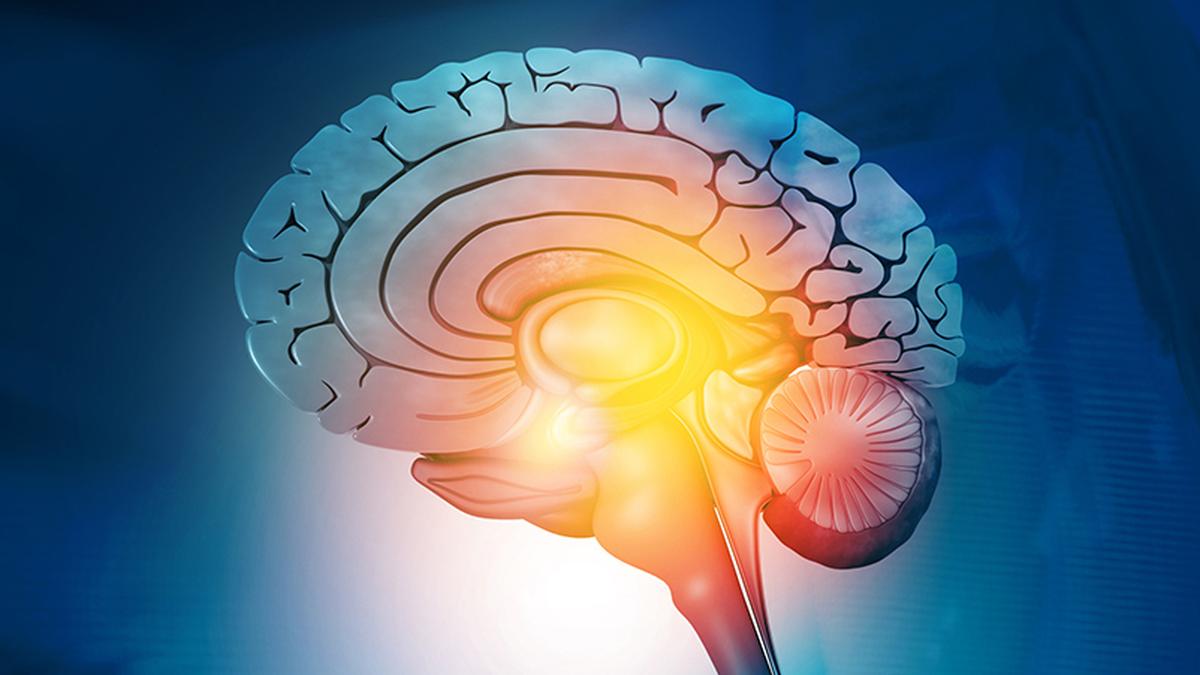
5. Balance Problems and Coordination Difficulties
Difficulty maintaining balance can be linked to numerous health conditions, but it may also indicate disruption within brain regions responsible for movement and coordination.
Individuals may experience:
– Frequent stumbling
– Unsteady walking
– Poor coordination
– Difficulty performing precise movements
– Increased risk of falls
These symptoms deserve medical attention when they persist or cannot be explained by other known conditions.
6. Unexplained Nausea and Vomiting
Persistent nausea, particularly when accompanied by morning vomiting, can sometimes be associated with increased pressure inside the skull.
Unlike stomach-related illnesses, these symptoms may occur without digestive complaints and may continue despite standard treatment approaches.
When nausea appears alongside headaches, vision problems, or neurological symptoms, further evaluation may be necessary.
7. Seizures in Individuals With No Previous History
A seizure can be one of the most significant neurological warning signs and may sometimes be the first symptom that leads to the discovery of a brain tumour.
Symptoms may include:
– Sudden muscle jerking
– Temporary loss of awareness
– Staring episodes
– Uncontrolled body movements
– Brief periods of confusion
Any first-time seizure requires immediate medical assessment, regardless of age or overall health status.
When to Seek Medical Attention
Healthcare professionals emphasize that occasional headaches, fatigue, or forgetfulness are common experiences and are usually unrelated to brain tumours. However, persistent, recurring, or progressively worsening symptoms should be evaluated by a qualified medical practitioner.
Particular attention should be given when multiple symptoms occur together or interfere with daily life. Diagnostic tools such as neurological examinations and imaging studies can help determine the underlying cause and guide appropriate treatment.
Raising Awareness on World Brain Tumour Day 2026
World Brain Tumour Day serves as a reminder of the importance of awareness, education, and timely diagnosis. By understanding subtle warning signs and seeking medical advice when symptoms persist, individuals can improve the chances of early detection and better treatment outcomes.
Experts continue to urge the public not to dismiss ongoing neurological changes as merely stress-related. Recognizing the difference between everyday fatigue and potential medical warning signs could play a crucial role in protecting long-term brain health.