
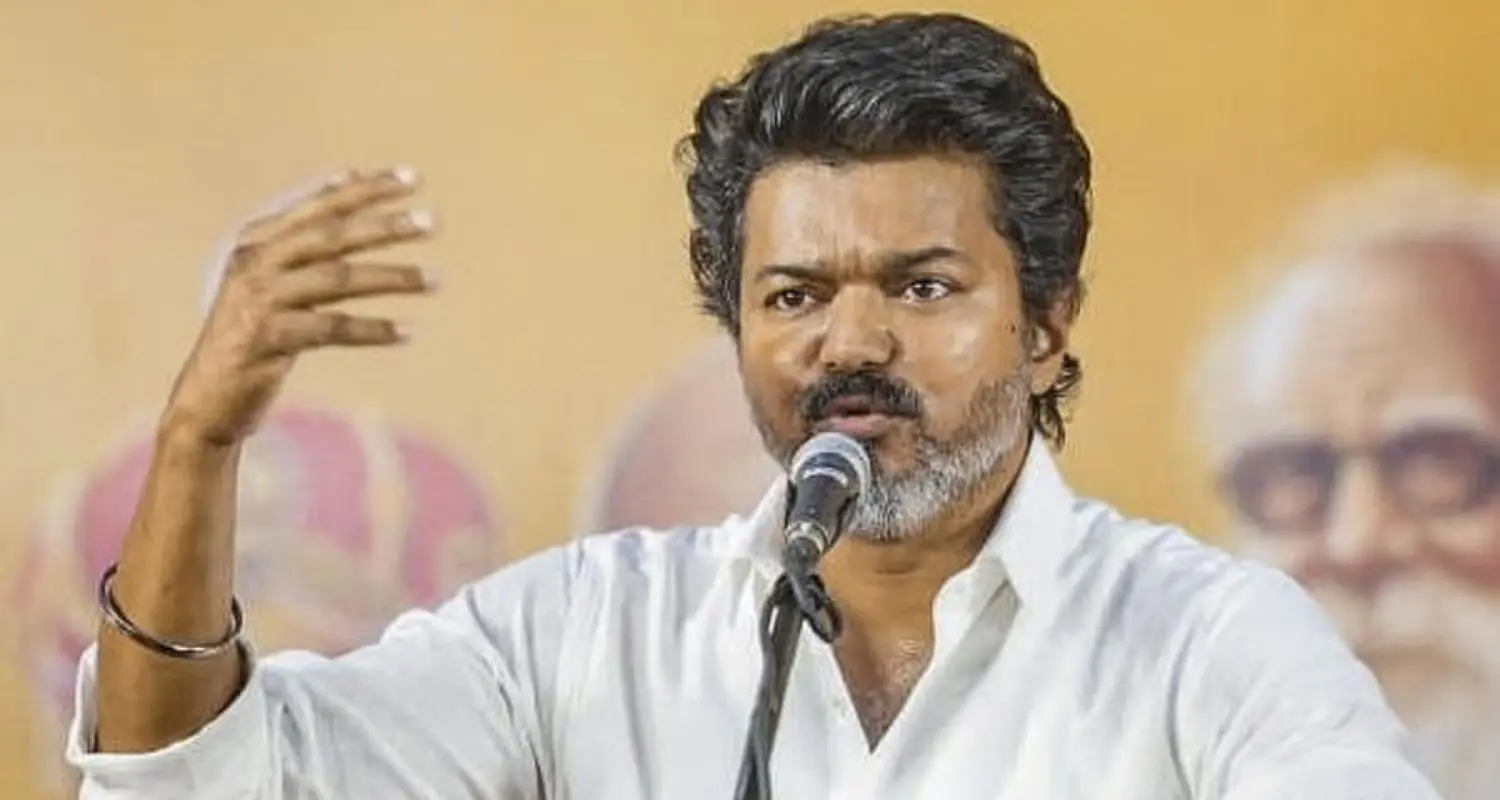
As opposition parties gather for a crucial INDIA bloc meeting aimed at strengthening coordination ahead of upcoming political battles, actor-turned-politician Vijay’s party, Tamilaga Vettri Kazhagam (TVK), has chosen to stay away from the discussions. The decision has sparked political debate, particularly because TVK has emerged as one of the most closely watched new political forces in Tamil Nadu.
While the absence has fueled speculation about the party’s future alliances and national ambitions, party insiders and political observers point to several strategic considerations that explain why TVK is not participating in the opposition coalition meeting.
Building an Independent Political Identity
One of the primary reasons behind TVK’s decision is its effort to establish a distinct political identity. Since launching the party, Vijay has repeatedly emphasized the need for an alternative political platform that directly addresses the aspirations of Tamil Nadu’s voters.
Political analysts believe that joining a broad opposition coalition at this early stage could dilute TVK’s independent image. The party appears focused on strengthening its grassroots presence, expanding organizational structures, and introducing its political agenda before entering formal alliance arrangements.
By remaining outside the meeting, TVK signals that it is prioritizing its own political growth rather than becoming immediately associated with any national alliance framework.
Focus on Tamil Nadu-Centric Politics
TVK’s current political strategy remains heavily centered on Tamil Nadu. The party is preparing for future electoral contests within the state and is concentrating on local issues that resonate with voters.
Observers note that national opposition meetings often focus on broader political narratives and parliamentary strategies. However, TVK’s leadership appears determined to maintain attention on state-specific concerns, including governance, development, employment, education, and social welfare.
This state-focused approach allows the party to communicate directly with Tamil Nadu voters without being distracted by larger national political calculations. 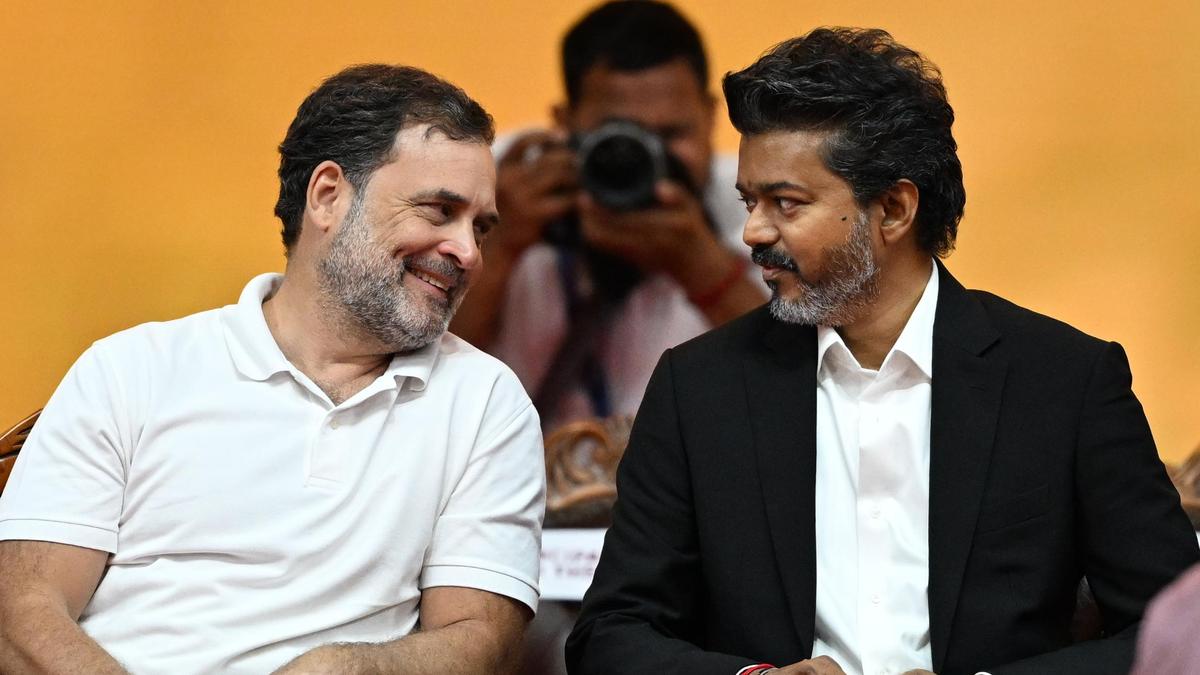
Alliance Questions Remain Unresolved
Another significant factor behind the decision involves the uncertainty surrounding future alliances. TVK has not formally aligned itself with either the ruling coalition at the national level or the INDIA bloc.
Political parties often weigh alliance decisions carefully, especially when preparing for major elections. Entering discussions with a national opposition grouping could create expectations about future partnerships that TVK may not yet be prepared to commit to.
Maintaining distance from the meeting gives the party greater flexibility in determining its future political course. It also enables the leadership to evaluate electoral dynamics and public sentiment before making any alliance-related announcements.
Strategic Timing Ahead of Key Elections
The timing of TVK’s political decisions is particularly important. The party is still in a formative stage and is focused on building a statewide network capable of contesting elections effectively.
Political strategists suggest that participating in national alliance activities before fully establishing organizational strength could be premature. Instead, TVK appears to be investing its energy in membership expansion, voter outreach programs, and policy development.
This cautious approach reflects a long-term strategy designed to position the party as a serious electoral contender rather than merely an ally within a larger coalition. 
What the Decision Means for the Opposition
TVK’s absence does not necessarily indicate hostility toward opposition parties. Rather, it highlights the complexities of coalition politics in India, where regional parties frequently balance local priorities with national political developments.
For the INDIA bloc, the absence of a growing regional player like TVK underscores the challenge of bringing together diverse political forces under a common platform. For TVK, staying out of the meeting allows it to preserve strategic independence while keeping future options open.
Looking Ahead
As Tamil Nadu moves closer to future electoral contests, Vijay’s political decisions will continue to attract significant attention. TVK’s decision to skip the INDIA bloc meeting reflects a calculated effort to strengthen its own political foundation, maintain autonomy, and focus on state-level priorities.
Whether the party eventually aligns with a broader coalition or continues to chart an independent course remains an open question. For now, the message from TVK appears clear: building its political identity and expanding its influence in Tamil Nadu remain its foremost objectives.
The coming months are likely to provide greater clarity on how Vijay’s party intends to position itself within India’s evolving political landscape and whether strategic partnerships will play a role in its future electoral ambitions.