

In a significant political development that has attracted attention across West Bengal and national political circles, veteran parliamentarian Sukhendu Sekhar Roy has resigned from both the Rajya Sabha and the Trinamool Congress (TMC), bringing an end to his long association with the party.
Roy, who served as one of the most recognizable parliamentary faces of the Trinamool Congress, submitted his resignation from the Upper House of Parliament and formally severed ties with the party. The move comes after a prolonged period of internal differences and growing political uncertainty surrounding his future role within the organization.
End of a Long Political Association
Sukhendu Sekhar Roy has been associated with the Trinamool Congress since its formative years and played an important role in representing the party at the national level. Known for his articulate interventions in Parliament and his experience in legislative affairs, Roy often served as one of the party’s key voices on policy and constitutional matters.
His departure marks the end of a political journey that spanned several years within the Trinamool Congress. During his tenure as a Rajya Sabha member, Roy frequently participated in debates concerning governance, federal relations, economic issues, and parliamentary procedures.
Political observers believe his resignation is among the most notable exits from the party in recent times due to his seniority and long-standing association with the leadership. 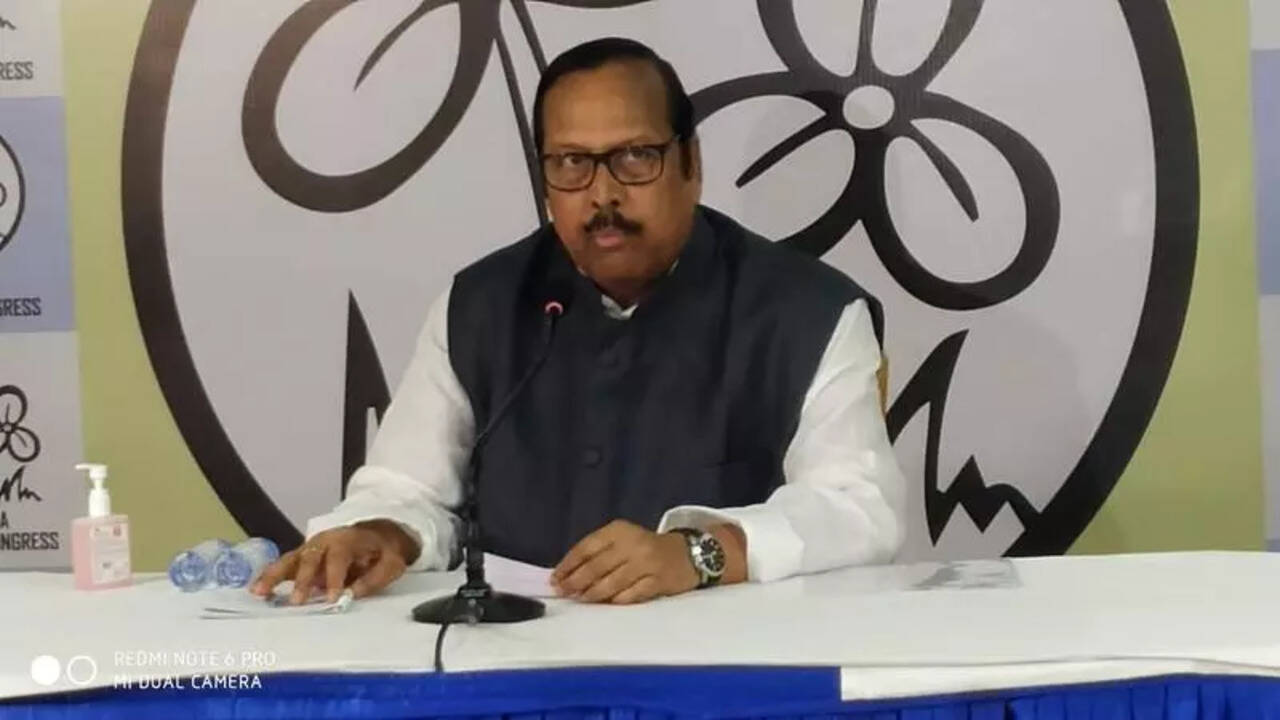
Growing Distance from Party Leadership
The resignation follows reports of increasing differences between Roy and sections of the party leadership. While public details regarding the disagreements remain limited, political analysts point to a gradual distancing that had become evident over recent months.
Roy had occasionally expressed views that differed from the official party line, leading to speculation about tensions within the organization. His public statements on various political and governance-related issues had attracted attention and prompted discussions regarding his position within the party structure.
Although neither side publicly escalated the dispute, the political relationship appeared to have weakened over time, culminating in his decision to step down from both the party and Parliament.
Resignation from Rajya Sabha
By resigning from the Rajya Sabha, Roy has also relinquished his parliamentary role, creating a vacancy in the Upper House. The resignation carries significance beyond party politics, as it removes an experienced legislator from national parliamentary proceedings.
Throughout his tenure, Roy earned a reputation for his understanding of parliamentary rules and constitutional matters. His contributions were often regarded as substantive and detailed, reflecting his experience in legislative affairs.
The move signals not merely a party exit but also a withdrawal from an influential platform where he had represented both his party and the state of West Bengal.
Political Implications for Trinamool Congress
The departure of a senior leader like Roy could present both symbolic and organizational challenges for the Trinamool Congress. While the party continues to maintain a strong political presence in West Bengal, the exit of a veteran parliamentarian may fuel discussions about internal dynamics and leadership management.
Political opponents are likely to use the resignation to question the party’s internal functioning, while TMC leaders may seek to project the move as an isolated development that does not affect the party’s broader political standing.
Analysts note that high-profile resignations often gain attention because they can influence public perception, even when they do not immediately alter electoral equations. )
Speculation Over Future Political Plans
Roy’s resignation has naturally led to speculation regarding his next political move. However, he has not publicly announced any future plans or indicated whether he intends to join another political party.
Political commentators suggest that his experience and parliamentary background make him a valuable figure in national politics. As a result, there is considerable interest in whether he will remain politically active, align with another political platform, or adopt an independent public role.
Until an official announcement is made, questions surrounding his future are expected to remain a subject of discussion in political circles.
A Significant Moment in West Bengal Politics
The resignation of Sukhendu Sekhar Roy represents a noteworthy moment in West Bengal’s political landscape. As one of the senior-most figures associated with the Trinamool Congress in Parliament, his exit highlights evolving dynamics within the state’s political environment.
While the immediate electoral impact remains uncertain, the development underscores the challenges political parties face in balancing organizational discipline with diverse viewpoints among senior leaders.
As reactions continue to emerge from across the political spectrum, Roy’s departure is likely to remain a significant topic of discussion in both state and national politics in the days ahead.
Conclusion
Sukhendu Sekhar Roy’s decision to resign from the Rajya Sabha and leave the Trinamool Congress marks the conclusion of a long political association and opens a new chapter in his public life. The move carries implications for the party, Parliament, and West Bengal politics, while also raising questions about his future role in the country’s political landscape. As developments unfold, attention will remain focused on the reasons behind his departure and the direction he chooses next.