
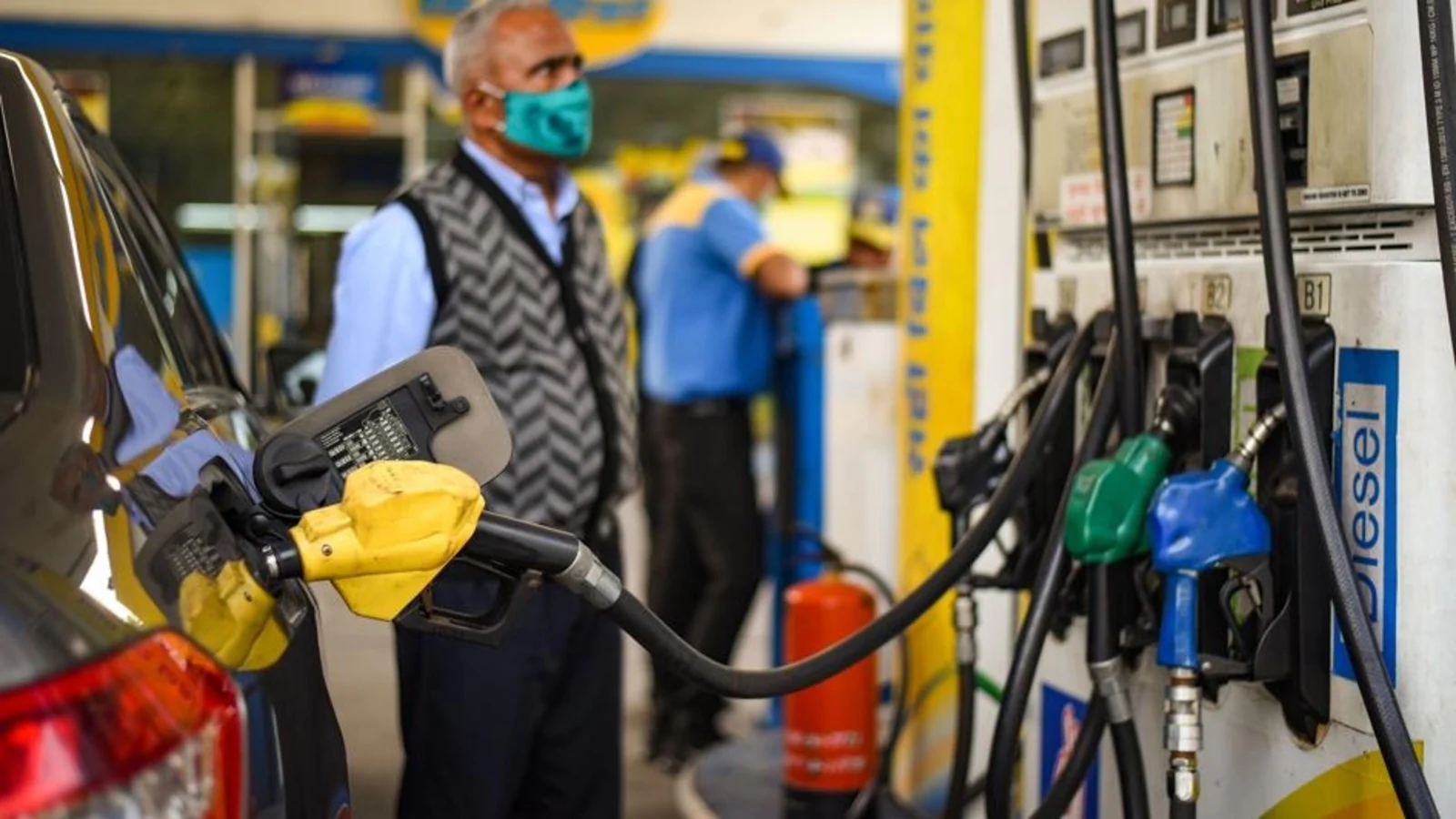
Fuel prices across India witnessed another significant increase as petrol and diesel rates were raised by more than ₹2.5 per litre in major cities. This marks the fourth fuel price hike within a span of just 10 days, intensifying concerns among consumers, transport operators, and businesses already grappling with rising living costs.
The latest revision has pushed petrol and diesel prices to fresh highs in several metropolitan cities, including Delhi, Mumbai, Kolkata, and Chennai. The repeated upward revisions are expected to have a cascading effect on transportation expenses, commodity prices, and overall inflation in the coming weeks.
According to the revised rates, petrol prices surged sharply while diesel prices also recorded a substantial increase, affecting daily commuters as well as industries dependent on fuel for logistics and operations.
Revised Fuel Prices in Major Cities
Following the latest revision, fuel rates in key cities climbed noticeably:
Delhi witnessed a considerable jump in both petrol and diesel prices.
Mumbai continued to record some of the highest fuel prices in the country due to local taxes and transportation costs.
Kolkata and Chennai also saw substantial increases, adding pressure on household budgets and commercial sectors.
The continuous rise in fuel costs has become a major concern for consumers, especially middle-class families and small businesses already facing elevated food and utility expenses. 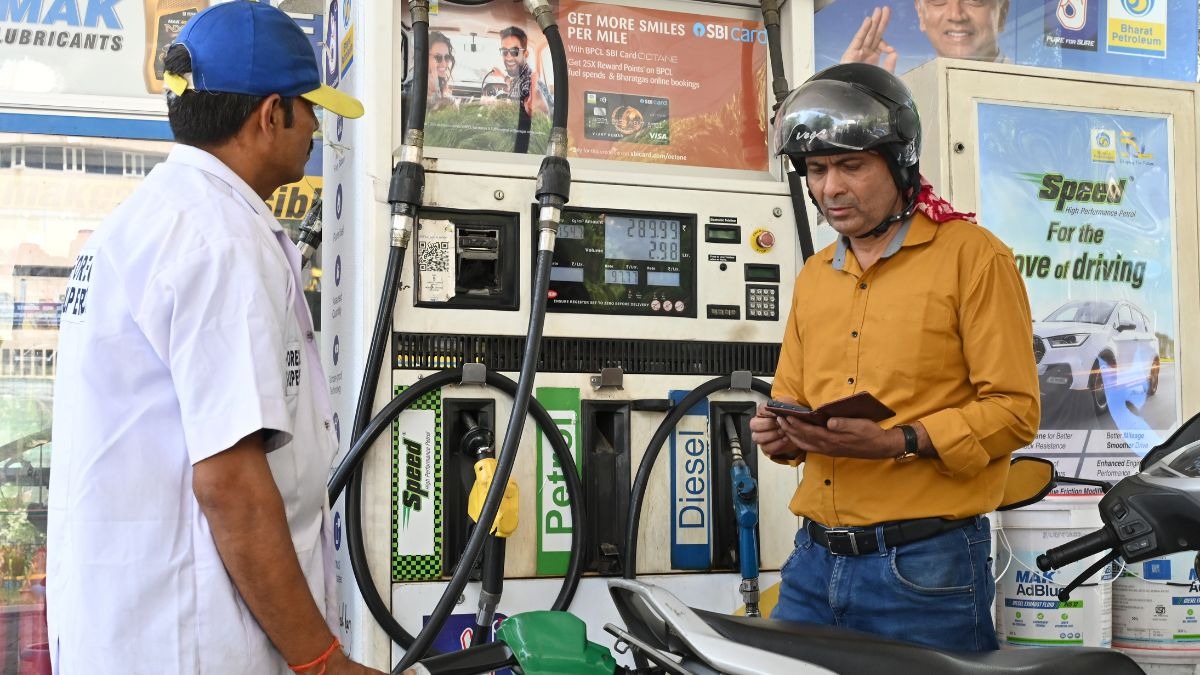
Fourth Consecutive Hike Raises Inflation Concerns
The latest increase marks the fourth fuel price revision in just 10 days, indicating sustained pressure on the domestic fuel market. Economists believe that repeated hikes in petrol and diesel prices could significantly impact inflation levels across India.
Transportation costs directly influence the prices of essential goods such as vegetables, dairy products, packaged items, and industrial materials. As freight and logistics expenses increase, retailers often pass the burden onto consumers, leading to higher market prices.
Industry experts warn that sectors including agriculture, manufacturing, public transport, and e-commerce delivery services may face additional operational costs due to expensive diesel.
Global Crude Oil Prices and Currency Pressure
The recent fuel price revisions are being linked to fluctuations in global crude oil markets and currency-related pressures. International oil prices have remained volatile amid geopolitical tensions, supply concerns, and changes in global demand patterns.
A weaker rupee against the US dollar has also contributed to increased import costs for crude oil, further impacting domestic fuel pricing. Since India imports a large portion of its crude oil requirements, international market movements continue to influence retail fuel prices significantly.
Oil marketing companies periodically revise fuel prices based on international crude benchmarks, exchange rates, and taxation structures. 
Public Reaction and Political Debate Intensify
The latest hike has triggered criticism from opposition parties and consumer groups, who argue that repeated fuel price increases are placing excessive financial strain on ordinary citizens. Several political leaders have demanded relief measures and reductions in fuel taxes to stabilize prices.
Transport operators and taxi unions have also expressed concerns over rising operational expenses, warning that fare revisions may become unavoidable if fuel prices continue to increase.
Meanwhile, consumers in urban and rural regions alike are feeling the impact as fuel expenses continue to consume a larger share of monthly household budgets.
Economic Impact Likely to Expand
Experts believe persistent fuel price increases may have broader economic implications if the trend continues. Higher fuel costs can affect supply chains, industrial production, consumer spending, and inflation management efforts.
Analysts are closely monitoring international crude oil developments and government policy responses, as future price trends will depend heavily on global energy markets and domestic taxation decisions.
With fuel prices climbing steadily over the past several days, households and businesses across the country are preparing for the possibility of further increases in transportation and commodity costs.