
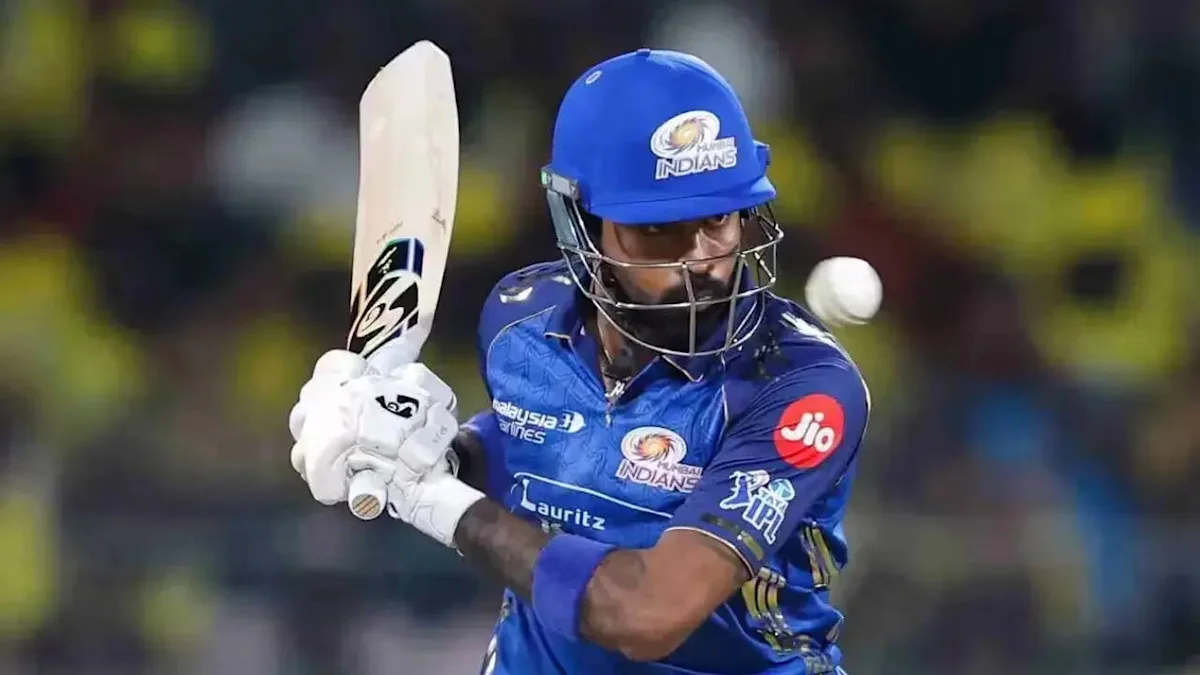
The disappointing IPL 2026 campaign of Mumbai Indians has triggered intense debate across the cricketing world, with much of the criticism initially directed toward captain Hardik Pandya. However, a closer examination of the franchise’s turbulent season suggests the problems extended far beyond leadership alone. Tactical inconsistencies, squad imbalance, underperforming senior players, and recurring execution failures collectively contributed to one of the franchise’s most frustrating campaigns in recent years.
For a team historically known for its championship pedigree and ability to recover from difficult starts, Mumbai’s inability to build momentum throughout the season came as a surprise. Expectations were high entering the tournament, especially after the management continued to back Hardik Pandya as captain despite the criticism and pressure that followed the previous season. Yet the campaign unfolded with repeated setbacks, exposing structural weaknesses within the squad setup.
Captaincy Became the Easy Target
Hardik Pandya faced enormous scrutiny from fans and analysts throughout the season. Tactical calls during crunch moments, bowling changes, batting order decisions, and on-field energy frequently came under the spotlight. As captain of one of the league’s most successful franchises, the margin for error was always going to be small.
However, reducing Mumbai Indians’ struggles solely to captaincy oversimplifies the broader reality. The team repeatedly failed in core areas that even the best leadership could not fully compensate for. Their middle-order inconsistency, inability to finish games under pressure, and lack of dependable bowling performances created recurring problems that surfaced throughout the tournament.
Pandya often appeared isolated in high-pressure moments, especially when senior players failed to deliver consistently. While captains naturally shoulder responsibility during losing campaigns, the season highlighted that Mumbai’s issues were systemic rather than individual. 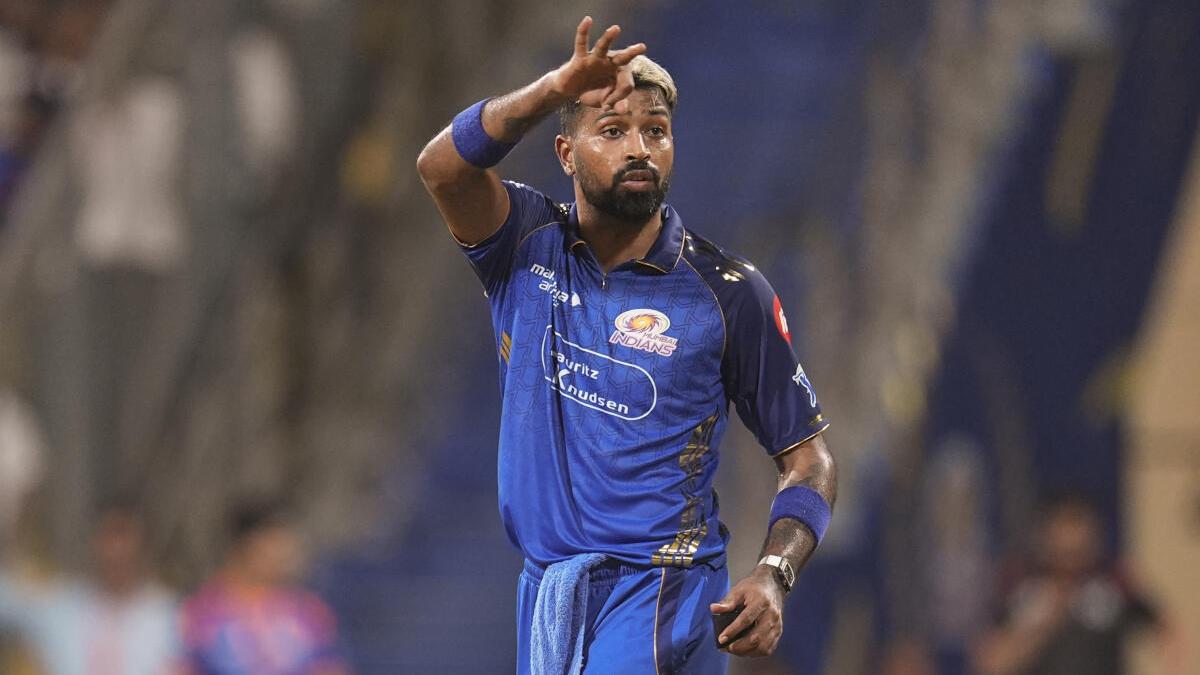
Batting Unit Failed to Deliver Consistently
One of the most striking disappointments of Mumbai’s season was the inconsistency of the batting lineup. Despite possessing explosive talent and international experience, the team rarely produced complete performances.
There were flashes of brilliance from top-order batters, but partnerships frequently collapsed after promising starts. The middle order, traditionally considered one of Mumbai’s greatest strengths, struggled to stabilize innings or accelerate at critical moments. Several matches slipped away after avoidable batting collapses, especially during run chases.
The over-reliance on a few individuals became increasingly visible as the tournament progressed. When the top order failed, the team lacked dependable rescue acts from the lower middle order. In T20 cricket, where momentum and adaptability are crucial, Mumbai repeatedly looked vulnerable once early wickets fell.
Bowling Concerns Hurt Team Balance
Mumbai Indians also endured major bowling concerns during the campaign. Their inability to control scoring during middle overs and close out innings at the death proved costly in multiple matches.
The pace attack lacked consistency, while the spin department failed to dominate on surfaces where other teams successfully used slower bowlers to control games. Opponents frequently targeted Mumbai’s weaker bowling combinations, exploiting predictable strategies and a lack of variation.
In several close contests, the inability to defend manageable totals became a recurring theme. The franchise’s once-feared bowling unit no longer carried the same intimidation factor that had defined its championship-winning years. 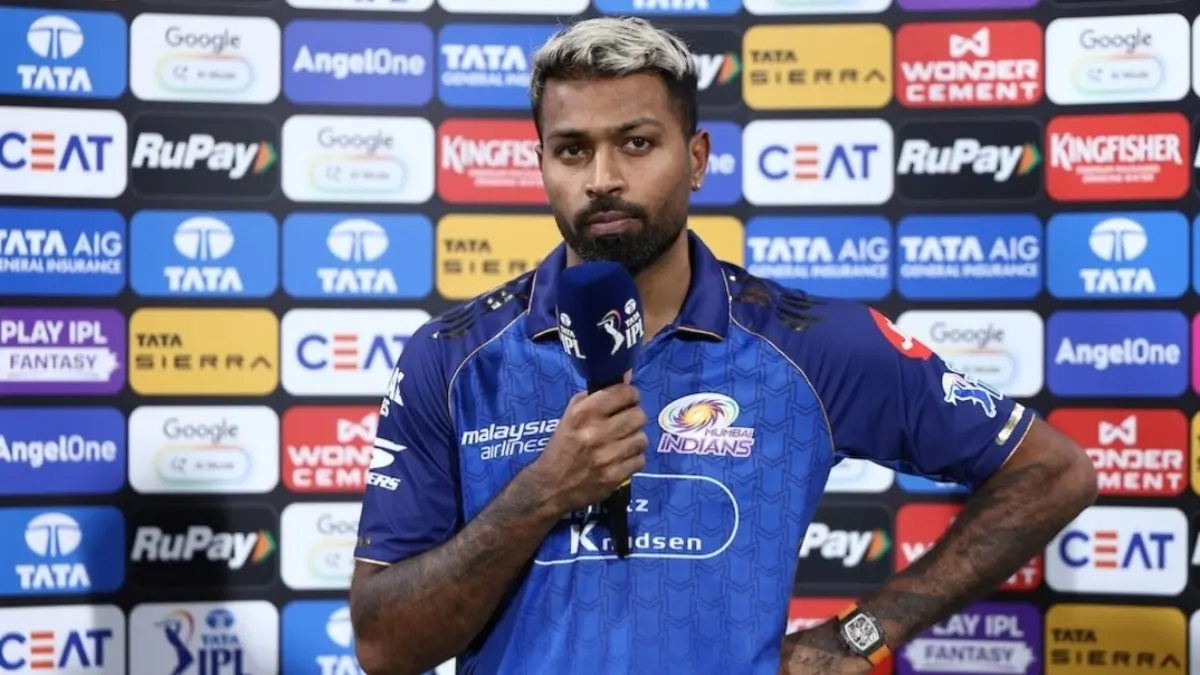
Team Composition Raised Questions
Another major issue was the overall construction of the squad. Mumbai appeared uncertain about their best playing combination for large parts of the season. Frequent changes in personnel and role adjustments suggested the management was still searching for balance deep into the tournament.
Several players were shuffled across batting positions, while bowling combinations changed repeatedly without delivering consistent results. Such instability often affects team confidence and clarity, especially during pressure situations.
Questions also emerged regarding recruitment strategy and player retention decisions. While rival franchises built squads with clearly defined roles and specialists, Mumbai’s combinations at times looked fragmented and reactive rather than strategically settled.
Pressure of Expectations Added to the Crisis
Few franchises in the IPL operate under the level of expectation associated with Mumbai Indians. Their legacy of multiple titles means every poor season attracts enormous public scrutiny. This pressure intensified after leadership changes in recent years and the transition involving senior figures within the team setup.
Hardik Pandya, in particular, entered the season under constant public attention. Every tactical move and every defeat amplified criticism surrounding his captaincy. Yet despite the external noise, the season demonstrated that no captain alone could resolve issues stemming from inconsistent player performances and broader team imbalance.
The emotional burden of expectations appeared to affect the squad at different stages of the campaign. Players often looked tense during crunch moments, leading to avoidable mistakes in both batting and fielding.
Need for Strategic Reset
As Mumbai Indians prepare for the future, the franchise faces critical decisions regarding squad planning, leadership structure, and tactical identity. The team still possesses immense talent and one of the strongest commercial and fan bases in world cricket, but the IPL’s evolving competitive landscape demands sharper execution and long-term planning.
The upcoming off-season could prove decisive. Management will need to identify dependable core players, strengthen bowling depth, and redefine roles with greater clarity. Backing younger talent while rebuilding confidence within the squad may become essential for a turnaround.
For Hardik Pandya, the season represents both a challenge and an opportunity. While criticism has been intense, the campaign also highlighted the difficult environment in which he operated. Whether Mumbai continues with the same leadership model or explores changes, the broader lesson from IPL 2026 is clear — the franchise’s struggles ran far deeper than captaincy alone.
In the end, Mumbai Indians’ disappointing season was not simply the story of one captain under pressure. It was the story of a champion franchise grappling with transition, inconsistency, and the harsh realities of modern T20 cricket.