
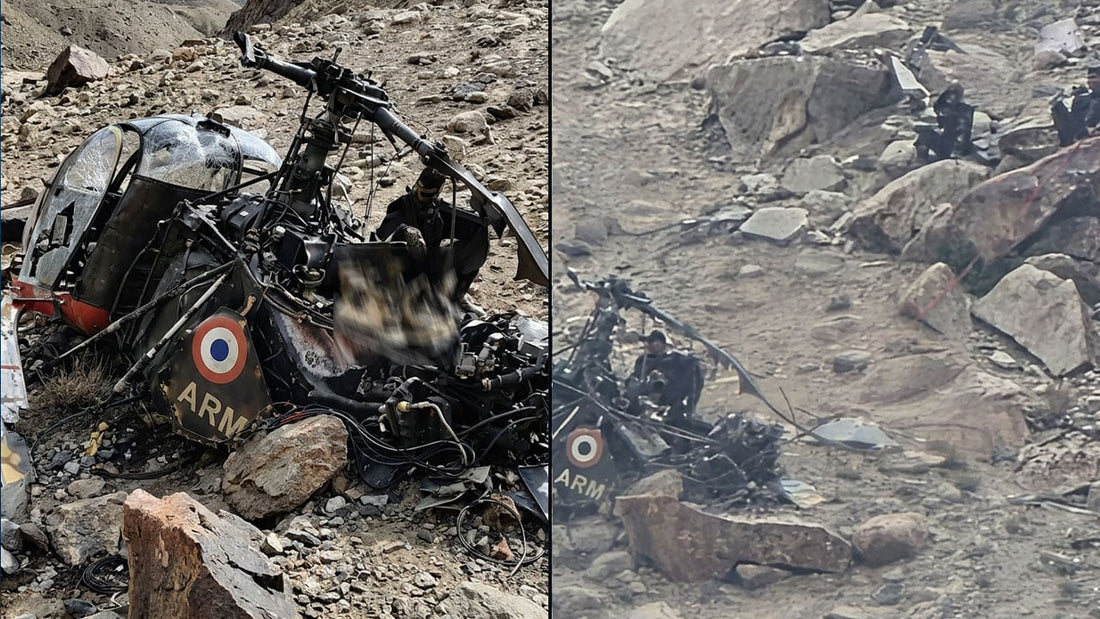
In a dramatic aviation incident in the high-altitude terrain of Ladakh, three officers of the Indian Army miraculously survived after a helicopter crashed during a routine operational sortie near Leh. The accident has prompted a detailed investigation into the cause of the crash, with initial assessments pointing toward a possible technical malfunction amid challenging flying conditions.
According to defence sources, the helicopter was engaged in a standard mission linked to troop movement and logistical support in the mountainous region when it encountered difficulty mid-air. The aircraft reportedly lost stability while approaching a designated landing area, forcing the pilots to attempt an emergency landing.
Despite the sudden complication, the crew’s swift response is believed to have played a crucial role in preventing a fatal outcome. All three officers on board managed to escape without life-threatening injuries, though they were immediately taken for medical evaluation as a precautionary measure.
High-Altitude Challenges Under Scrutiny
Leh and surrounding regions are known for extremely demanding aviation conditions due to thin air density, unpredictable wind patterns, and rugged terrain. Such factors often complicate helicopter operations, even for experienced military pilots trained specifically for high-altitude flying missions.
Officials noted that the aircraft was operating under standard safety protocols when the incident occurred. However, investigators are now examining whether environmental conditions, mechanical failure, or a combination of both contributed to the crash.
A technical inspection team has been deployed to recover flight data and assess the wreckage. Preliminary findings are expected to help determine whether any pre-flight warning signs were missed or if a sudden in-flight malfunction occurred. 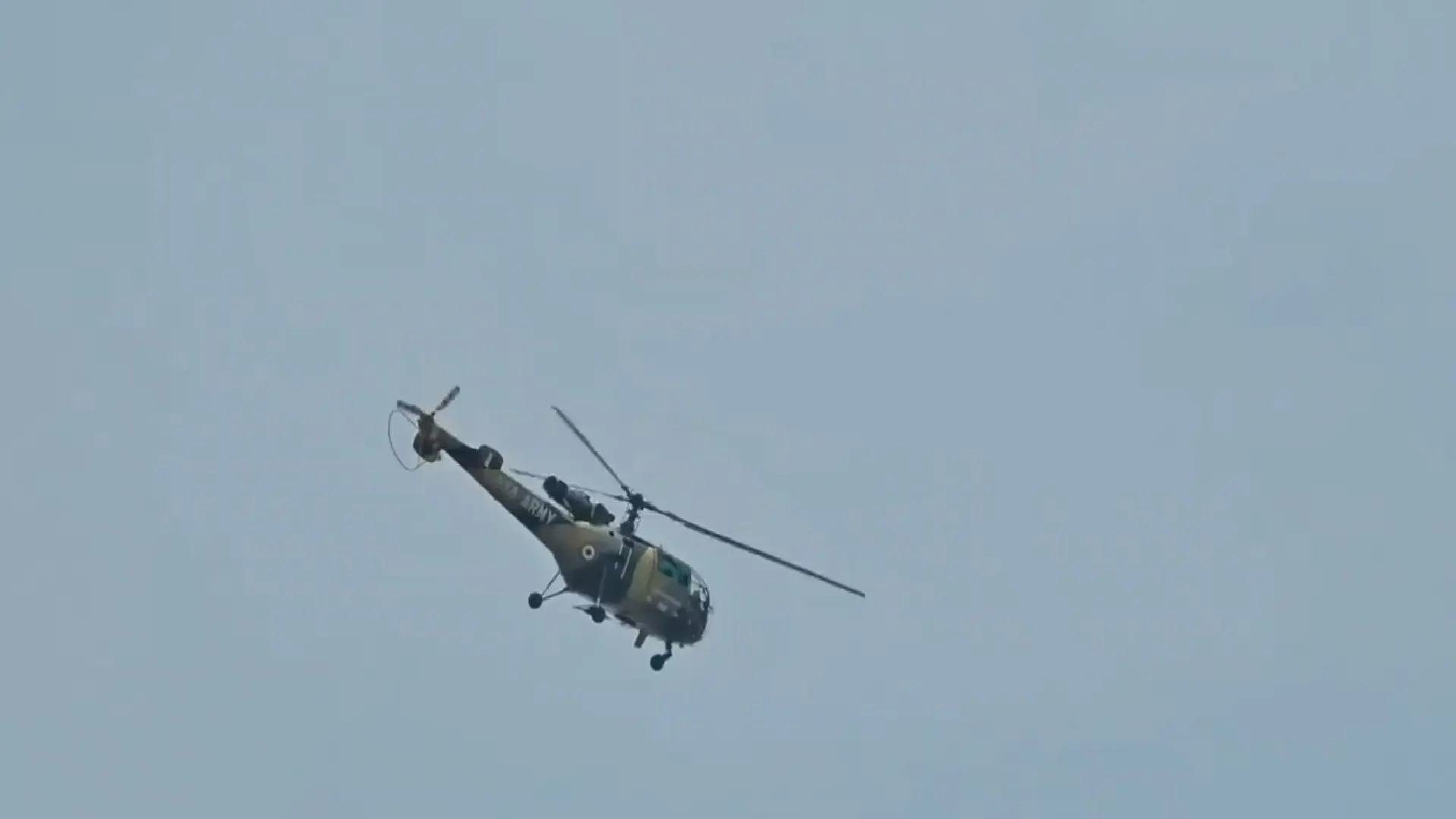
Swift Response Prevents Major Casualty
Immediately after the crash, rescue teams stationed nearby were activated, reaching the site within a short time frame despite difficult terrain. The quick response ensured that the injured officers received timely medical attention and were stabilized before being moved for further care.
Military officials praised the coordinated emergency response, highlighting that preparedness in such remote and high-risk regions is critical to saving lives during aviation emergencies.
Investigation Underway
The incident has triggered a formal inquiry by defence aviation authorities. The investigation will focus on aircraft maintenance records, pilot communication logs, weather conditions at the time of the crash, and operational clearance procedures.
Authorities are also reviewing whether additional safety upgrades or revised operational protocols may be needed for helicopter missions in high-altitude sectors like Ladakh, where weather and terrain often change rapidly.
Operational Safety in Focus
While helicopter operations remain essential for troop mobility and logistics in mountainous regions, the latest incident underscores the inherent risks involved. The Indian Army is expected to closely evaluate the findings of the inquiry to further strengthen aviation safety standards and minimize future risks.
Officials reiterated that all necessary precautions are being taken and that updates will be shared once the investigation reaches a conclusive stage.