
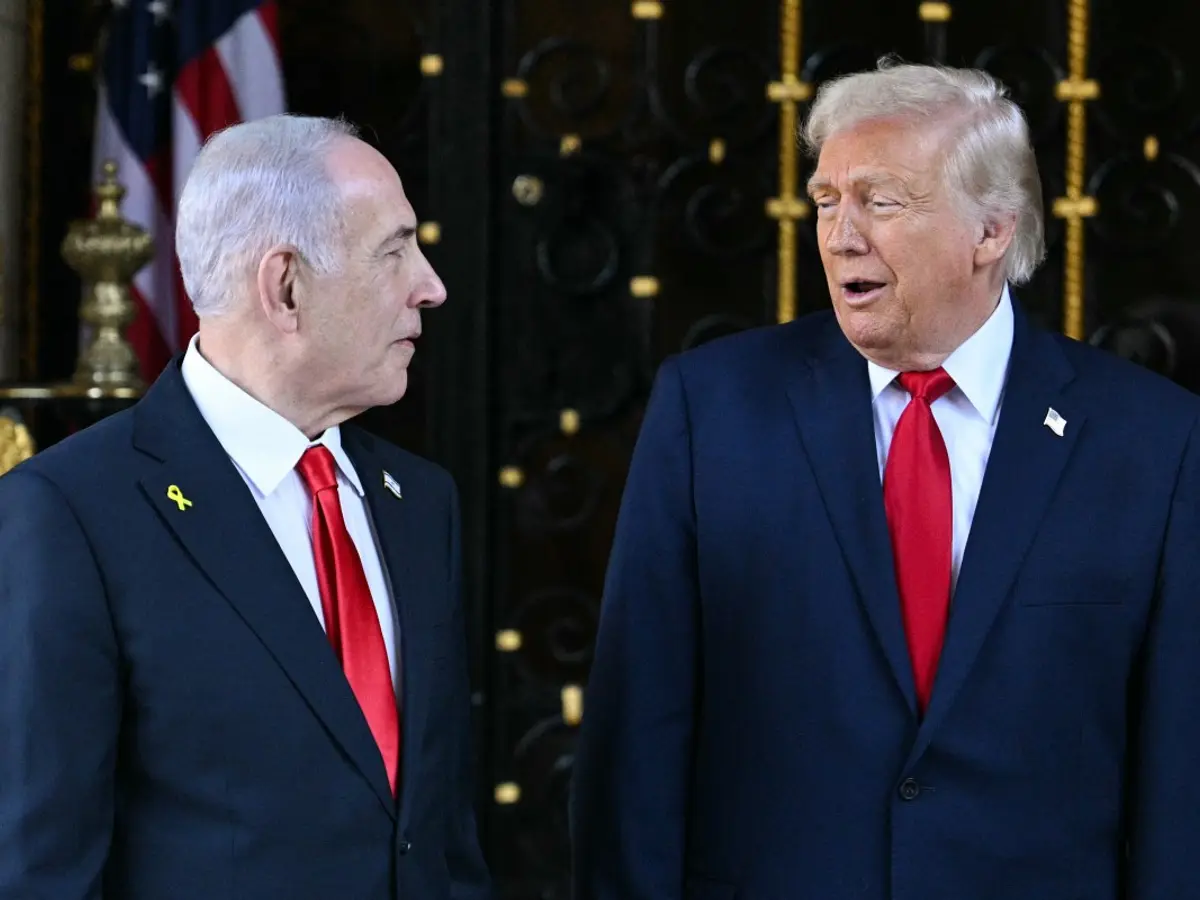
A tense conversation between Israeli Prime Minister Benjamin Netanyahu and former US President Donald Trump has reportedly revealed growing divisions over how to respond to the escalating confrontation involving Iran, ceasefire negotiations, and regional military calculations.
According to officials familiar with the discussion, the phone call took place amid rising concerns over the possibility of broader conflict in the Middle East. Sources described the exchange as emotionally charged and strategically significant, with Netanyahu said to be under intense pressure as Israel evaluated military options and diplomatic consequences connected to Iran’s regional activities.
The conversation reportedly centered on the future direction of Israel’s security policy, the possibility of a ceasefire arrangement, and Washington’s expectations regarding de-escalation efforts. Observers indicated that the Israeli leadership remains deeply concerned about Iran’s expanding influence across the region and the long-term implications for national security.
Rising Pressure on Israeli Leadership
The reported exchange came during a period of heightened military and political uncertainty in the region. Israeli officials are said to believe that Iran’s strategic posture continues to pose a direct threat to Israeli security interests, particularly through its support for armed proxy groups and expanding regional networks.
Sources familiar with the matter suggested that Netanyahu expressed frustration over international pressure for restraint while Israel continues to face security threats on multiple fronts. The Israeli leadership reportedly fears that a premature ceasefire could allow Iran-backed groups to regroup and strengthen operational capabilities.
Political analysts noted that Netanyahu’s government has been navigating competing demands from military officials, coalition partners, and international allies. The internal pressure has intensified as public scrutiny grows over Israel’s long-term security planning and military response strategy. 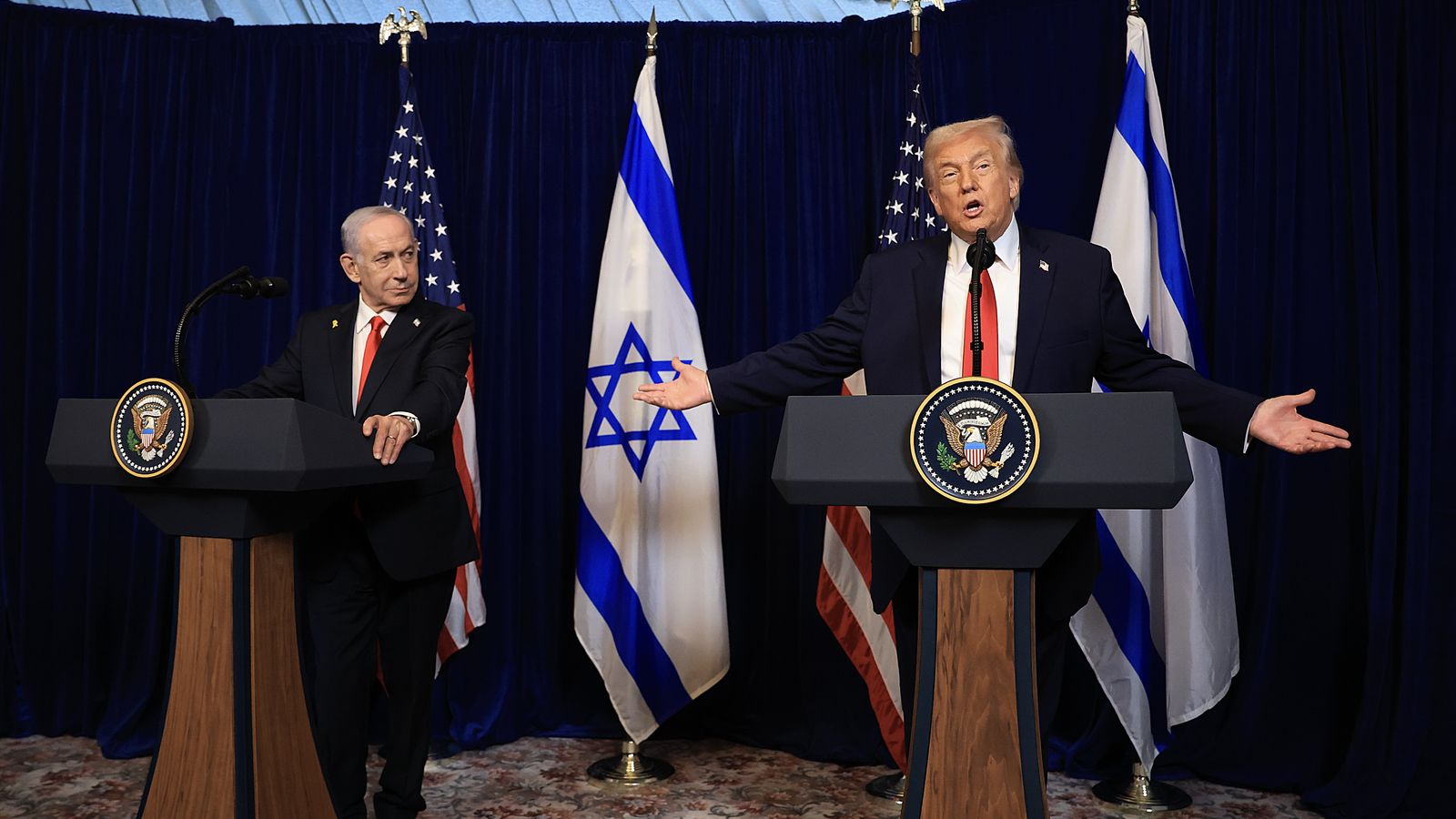
Trump’s Position on the Conflict
Trump reportedly pushed for a more measured approach during the discussion, emphasizing concerns about the wider geopolitical consequences of prolonged regional instability. While remaining supportive of Israel’s security interests, he is believed to have raised questions about the sustainability of extended military escalation and its impact on broader US strategic interests in the Middle East.
Sources indicated that Trump highlighted the importance of avoiding actions that could trigger wider international involvement or disrupt fragile diplomatic channels currently operating behind the scenes.
The discussion reportedly reflected differing strategic priorities between the two leaders. Netanyahu is said to have focused heavily on immediate security risks posed by Iran, while Trump reportedly emphasized broader political and diplomatic calculations tied to regional stability.
Ceasefire Debate Intensifies
The debate surrounding a potential ceasefire has become increasingly complicated as military operations and diplomatic negotiations continue simultaneously. International actors have reportedly been encouraging efforts to reduce tensions, though Israeli officials remain cautious about agreements they believe may compromise national security objectives.
Experts on Middle East affairs say the situation demonstrates the growing challenge of balancing military deterrence with diplomatic engagement. Any ceasefire arrangement involving Iran-linked tensions is expected to require significant international coordination and security assurances.
The latest developments have also reignited discussions regarding the future of US-Israel relations and Washington’s role in shaping regional security policy. Analysts believe conversations between influential political leaders such as Netanyahu and Trump could have implications for future diplomatic alignments and strategic cooperation.
Global Concerns Over Regional Stability
The ongoing tensions have generated international concern over the possibility of a broader regional conflict involving multiple actors across the Middle East. Diplomatic observers warn that miscalculations or escalating rhetoric could further destabilize an already volatile geopolitical environment.
Security experts note that the conflict carries implications far beyond Israel and Iran, affecting global energy markets, international alliances, and broader security frameworks in the region.
As diplomatic negotiations continue alongside military preparedness, world leaders are closely monitoring developments to assess whether current tensions can be contained or whether the region could move toward a deeper confrontation.
Despite reported disagreements during the call, both Netanyahu and Trump are understood to remain aligned on the broader objective of countering threats perceived to originate from Iran. However, the conversation appears to have underscored differing views on how aggressively those objectives should be pursued and what role diplomacy should play moving forward.
The developments highlight the fragile balance between military strategy, political leadership, and international diplomacy at a time when the Middle East remains under intense global scrutiny.