
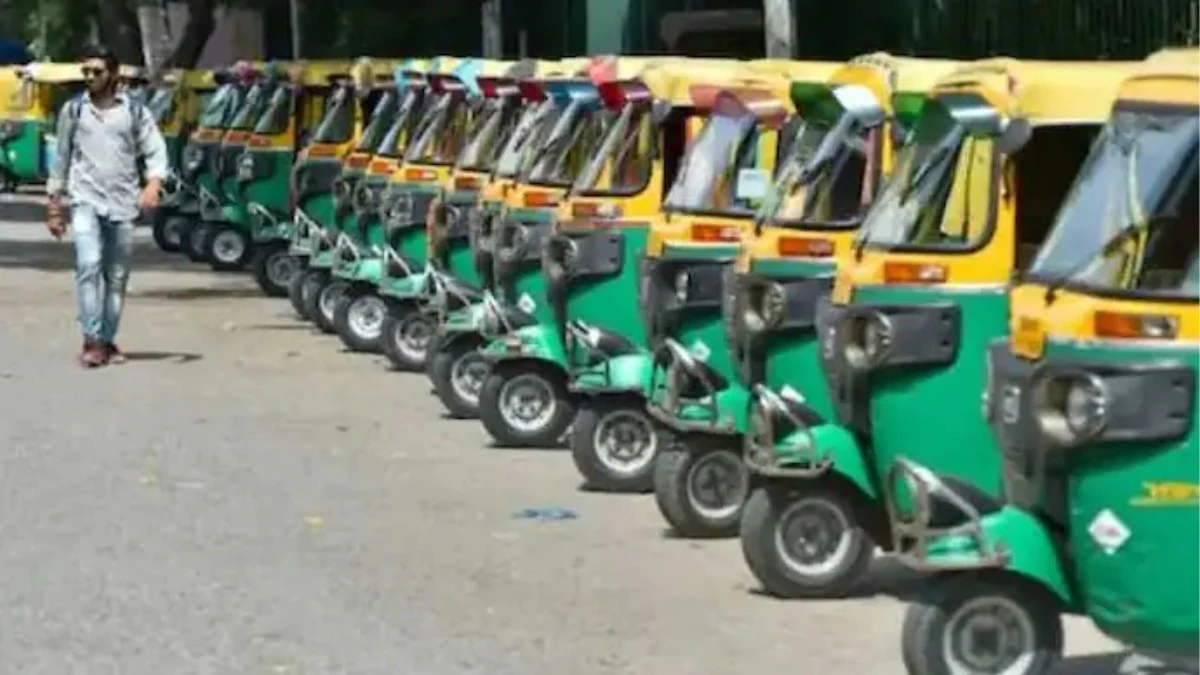
Thousands of commuters across the national capital faced severe inconvenience on Thursday after cab aggregators, auto-rickshaw operators, and transport unions launched a large-scale strike protesting rising operational costs and fuel price pressures. The strike significantly affected daily travel, particularly during peak office hours, leaving passengers stranded at metro stations, bus terminals, and commercial hubs across the city.
Transport unions claimed that the sharp increase in fuel expenses, allegedly linked to escalating geopolitical tensions in the Middle East, has made it increasingly difficult for drivers to sustain their livelihoods. The ongoing conflict-related uncertainty in global oil markets has reportedly led to fluctuating fuel prices, intensifying the financial burden on commercial vehicle operators.
Why Drivers Went on Strike
According to transport union representatives, the strike was called to demand immediate government intervention to address the growing economic pressure on drivers and small transport operators. Drivers alleged that despite increasing fuel costs, ride fares have not been revised proportionately, resulting in declining earnings.
Several unions argued that diesel, petrol, and compressed natural gas (CNG) prices have seen steady increases over recent months. Many drivers claimed they are struggling to cover vehicle maintenance expenses, loan repayments, permit fees, and daily household costs.
Union leaders also demanded:
Revision of fare structures for cabs and auto-rickshaws
Subsidies or financial relief on fuel prices
Reduction in permit and registration charges
Improved welfare measures for transport workers
Regulation of commission charges imposed by app-based aggregators
Protesters warned that if authorities fail to respond positively, the agitation could intensify in the coming days. 
Impact on Daily Commuters
The strike severely disrupted movement across several parts of Delhi and adjoining regions. Office-goers, students, airport passengers, and patients traveling to hospitals experienced long delays and overcrowding in public transport systems.
Metro stations witnessed unusually heavy footfall as commuters shifted to rail services due to the reduced availability of cabs and autos. Bus stops across key areas such as Connaught Place, Karol Bagh, Lajpat Nagar, and South Delhi reported long waiting lines.
Many commuters complained about surge pricing by the limited number of app-based taxis operating during the strike. Ride fares reportedly increased sharply during morning and evening rush hours, adding to public frustration.
Several passengers said they were forced to rely on carpooling, private vehicles, or walking short distances due to the lack of transport availability.
Global Tensions and Fuel Market Volatility
Transport unions linked the current crisis to rising international crude oil prices triggered by growing instability in the Middle East. Analysts believe geopolitical tensions involving the United States and Iran have contributed to uncertainty in global energy markets, indirectly affecting fuel rates in countries dependent on oil imports.
India, being one of the world’s largest crude oil importers, remains vulnerable to international price fluctuations. Any sustained increase in global crude rates often impacts domestic fuel prices, transportation costs, and inflation.
Economic experts noted that higher fuel prices not only affect transport operators but also contribute to rising costs in logistics, food supply chains, and consumer goods.
Government Monitoring Situation
Authorities stated that they are closely monitoring the strike and assessing its impact on public mobility. Officials indicated that discussions with transport unions may take place to prevent prolonged disruptions.
Traffic police personnel were deployed at several major intersections and transit points to manage congestion caused by the reduced availability of public transport services.
Meanwhile, commuters expressed concern that continued disruptions could affect business activity, educational institutions, and essential services if the strike extends further.
Public Frustration Grows
The strike triggered mixed reactions among residents. While many commuters sympathized with drivers struggling under rising costs, others criticized the disruption caused to ordinary citizens.
Passengers urged the government and transport bodies to quickly find a balanced solution that protects drivers’ interests without bringing the city’s transport system to a standstill.
As negotiations remain uncertain, Delhi residents are preparing for possible continued transport challenges in the coming days.