
In a significant development impacting millions of consumers across the country, petrol and diesel prices have been increased by ₹3 per litre, marking a fresh rise in fuel costs just days after the government urged citizens to reduce fuel consumption and adopt austerity measures.
The revised prices, implemented by state-run oil marketing companies, took effect on Friday and apply nationwide. The hike affects both petrol and diesel equally, placing additional pressure on household budgets, transport operators, and industries heavily dependent on fuel.
According to officials and industry reports, the price revision comes amid continued volatility in global crude oil markets. International oil prices have remained elevated due to geopolitical tensions and supply uncertainties, prompting refiners to adjust domestic retail rates after a period of relative stability. 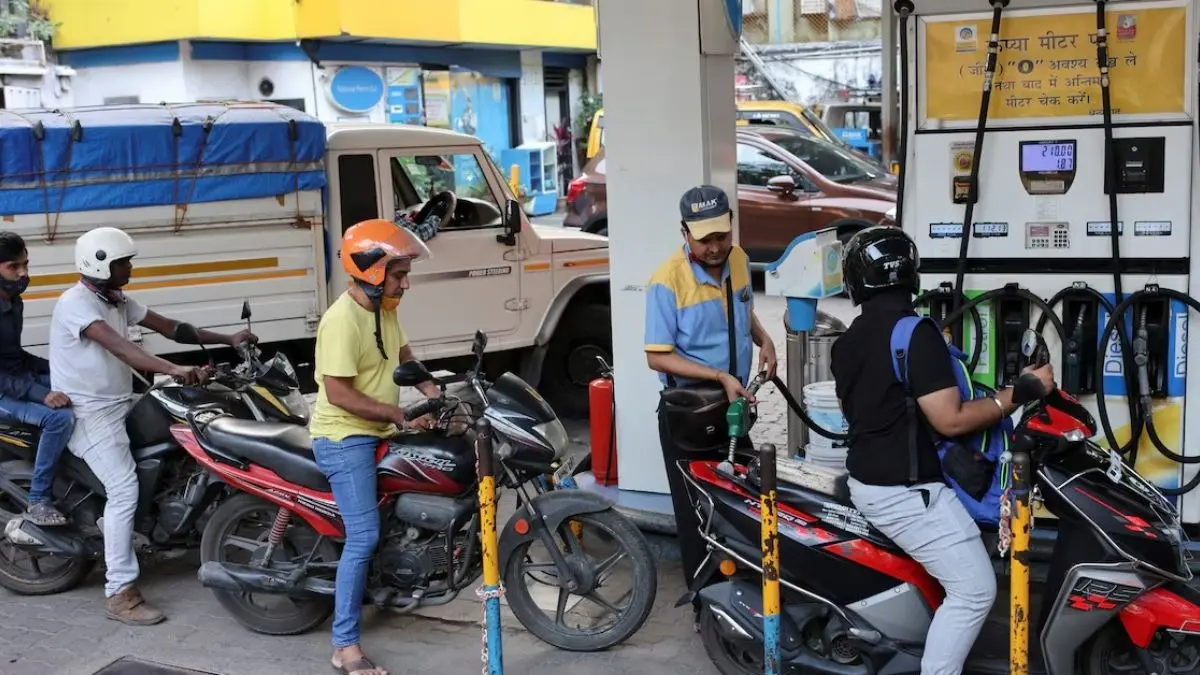
The timing of the hike has drawn attention as it closely follows Prime Minister Narendra Modi’s recent appeal to citizens to conserve fuel, reduce unnecessary travel, and consider work-from-home arrangements where possible. The appeal was part of broader efforts to manage India’s energy demand and foreign exchange outflows during a period of global oil market stress.
Economists note that India, which imports a major share of its crude oil requirements, remains highly sensitive to fluctuations in international prices. Even small changes in global benchmarks can translate into noticeable shifts in domestic fuel rates.
The latest increase is expected to have a cascading effect on transportation costs, potentially influencing the prices of essential goods and services. Logistics operators and small businesses are likely to feel the immediate impact, while consumers may see gradual inflationary pressure in the coming weeks.
While the government has previously maintained that there is no fuel shortage in the country and sufficient strategic reserves are in place, the persistent rise in global crude prices continues to challenge domestic pricing stability.
Analysts suggest that further price adjustments could depend on international market trends and policy decisions aimed at balancing consumer burden with financial sustainability for oil companies.