
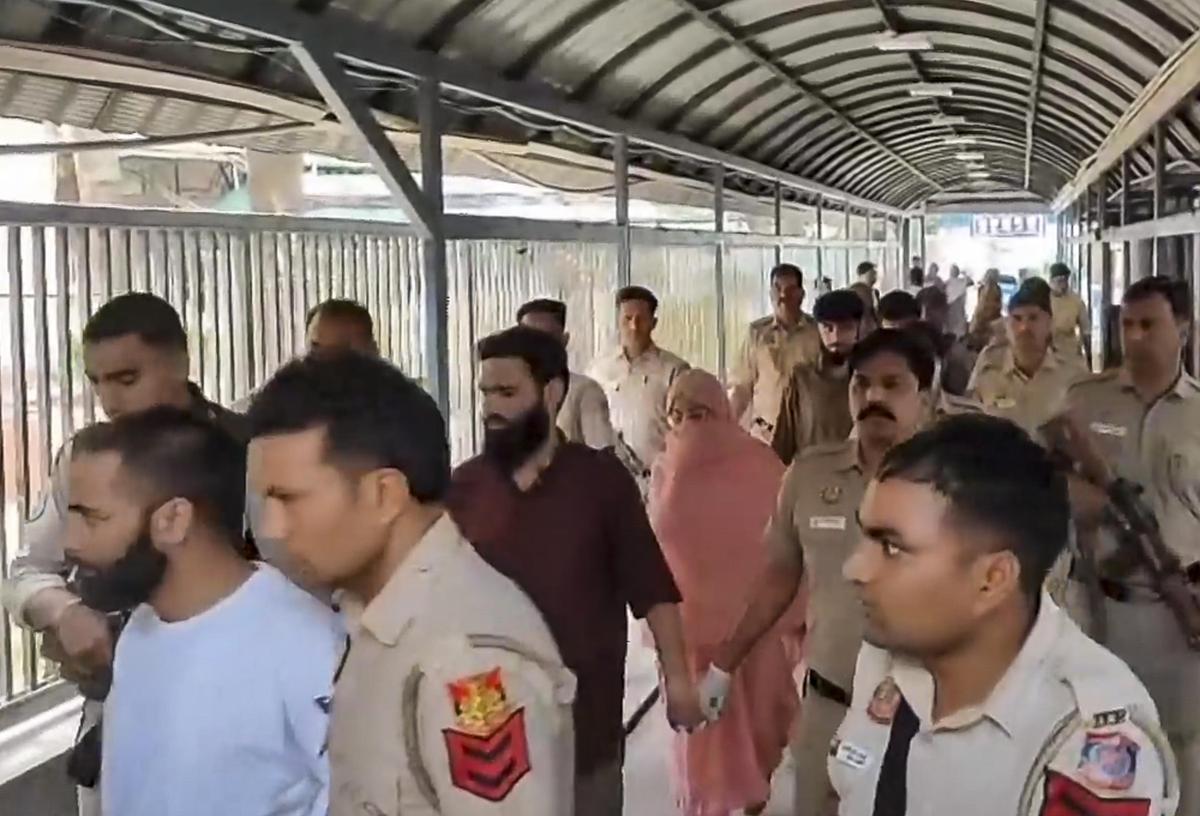
In a significant development in the high-profile Delhi blast investigation, the National Investigation Agency (NIA) has submitted an extensive 7,500-page chargesheet against 10 accused individuals, marking a crucial stage in the probe into the deadly explosion that shook the national capital.
The chargesheet, filed before a special court after months of detailed investigation, reportedly contains a vast collection of forensic evidence, digital records, witness testimonies, financial transaction details, and communication intercepts that investigators believe establish a wider conspiracy behind the blast. Officials described the document as one of the most comprehensive filings in recent years related to a terror-linked case.
According to investigators, the accused are alleged to have played different roles in planning, financing, facilitating, and executing the blast operation. The agency has reportedly invoked multiple sections of the Unlawful Activities (Prevention) Act (UAPA), along with provisions of the Indian Penal Code and the Explosive Substances Act.
Detailed Investigation and Evidence Collection
Sources associated with the investigation indicated that the NIA spent several months collecting evidence from multiple states and examining electronic devices, bank accounts, travel records, and encrypted communication channels. Investigators also worked closely with forensic experts and intelligence agencies to piece together the sequence of events leading up to the explosion.
The chargesheet reportedly includes statements from several protected witnesses and technical reports linking the accused to suspicious movements and meetings prior to the incident. Officials believe these findings strengthen the prosecution’s argument regarding the existence of a coordinated network operating behind the scenes.
The probe allegedly uncovered the use of coded communication methods and covert financial transfers aimed at avoiding detection by law enforcement agencies. Authorities are also believed to have tracked digital footprints and recovered critical data from seized electronic devices during raids conducted across various locations. 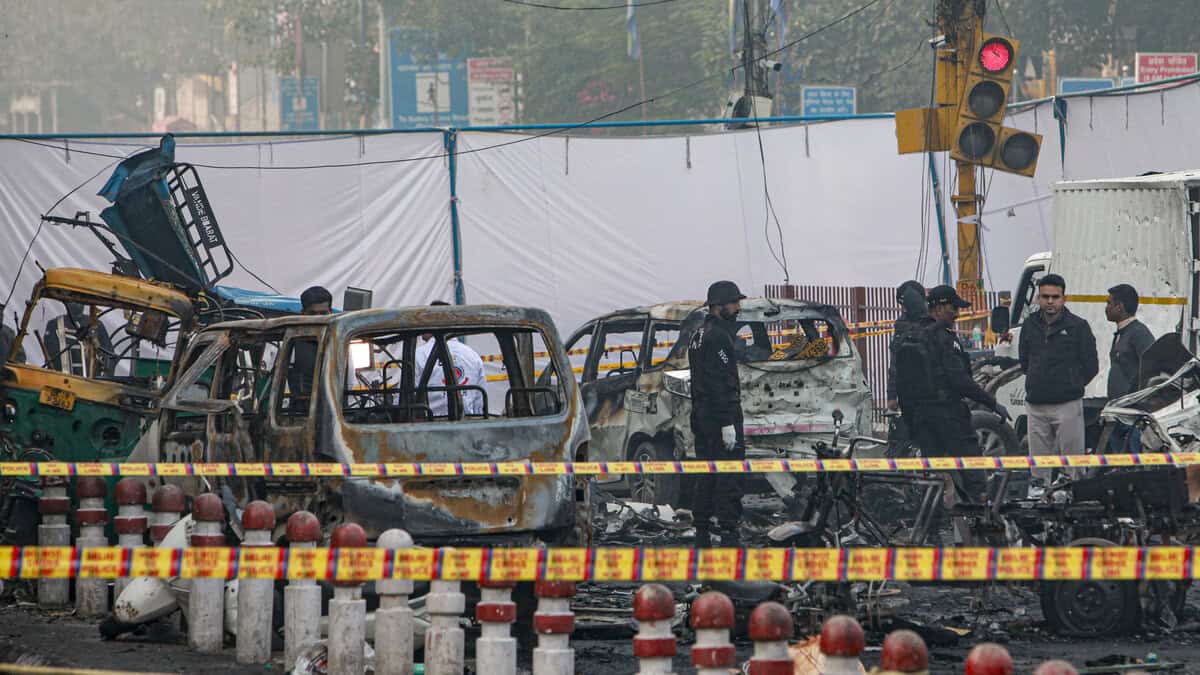
Allegations of Organised Conspiracy
Investigators claim the blast was not an isolated act but part of a larger organised conspiracy designed to create panic and disrupt public order. The accused allegedly maintained connections with radical elements and used clandestine methods to procure materials and logistics required for the attack.
The agency has reportedly detailed the specific role of each accused in the chargesheet, including those accused of arranging safe houses, transporting materials, coordinating communication, and assisting with operational planning.
Officials familiar with the case stated that the evidence gathered during the probe points toward a structured operational network with clearly defined responsibilities among the accused individuals.
Court Proceedings and Legal Process
Following the filing of the chargesheet, the special court is expected to examine the documents before formally taking cognisance of the matter. Legal proceedings are likely to continue over an extended period due to the large volume of evidence and the complexity of the case.
The accused are expected to challenge the allegations during the trial, while prosecutors are likely to rely heavily on forensic reports, witness accounts, and digital evidence presented in the chargesheet.
Legal experts noted that such voluminous filings generally indicate the seriousness of the investigation and the agency’s intention to establish a detailed evidentiary chain before the court.
Security Concerns and Wider Implications
The case has once again highlighted ongoing concerns regarding urban security and the challenges faced by intelligence and law enforcement agencies in preventing organised terror activities. Security agencies across the country continue to remain on alert amid concerns over sleeper cells, radicalisation, and the use of encrypted technologies by extremist networks.
Officials maintain that the investigation remains active and further action could follow if additional evidence or links emerge during the course of the trial.
The filing of the massive chargesheet is being viewed as a major milestone in the Delhi blast investigation and is expected to play a pivotal role in shaping the upcoming judicial proceedings in one of the most closely watched terror-related cases in recent times.