
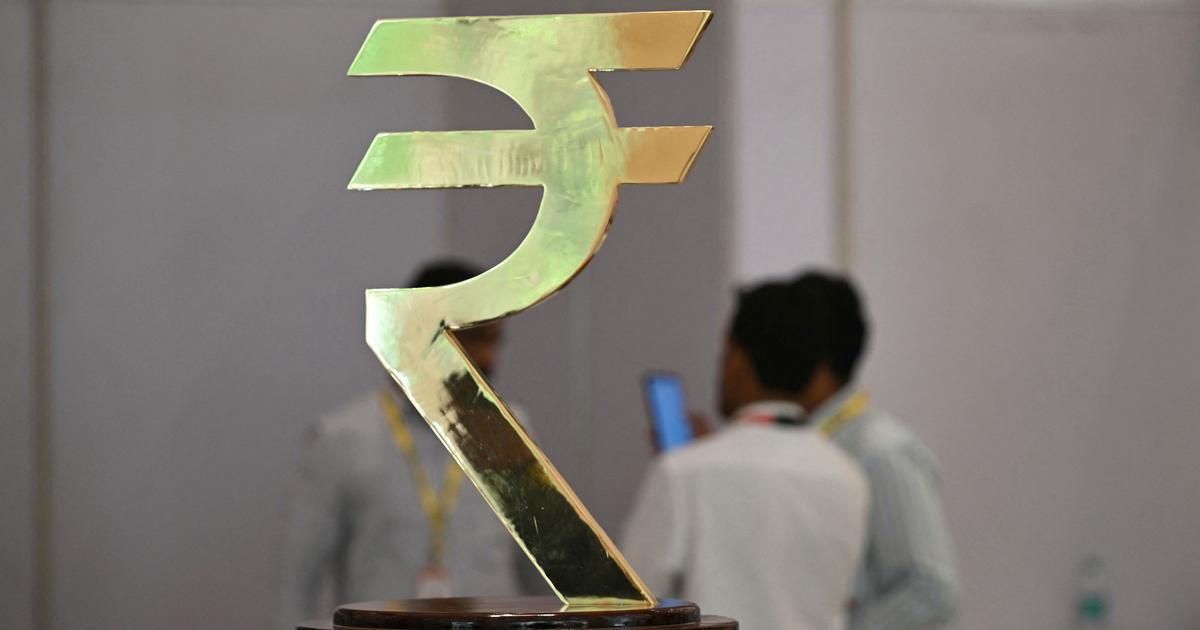
The Indian rupee witnessed one of its steepest declines in recent times, falling sharply against the US dollar as rising global crude oil prices and escalating geopolitical tensions rattled financial markets. The domestic currency weakened by 139 paise during intra-day trading, nearing the critical ₹95-per-dollar mark and triggering fresh concerns over inflation, import costs, and economic stability.
Currency traders and market analysts attributed the sharp depreciation primarily to the continued surge in crude oil prices, which has intensified pressure on oil-importing nations like India. With international oil benchmarks climbing rapidly due to ongoing tensions in West Asia and disruptions surrounding key energy supply routes, demand for the US dollar has strengthened significantly across global markets.
At the interbank foreign exchange market, the rupee opened significantly weaker and continued to trade under pressure throughout the session. Although the currency recovered slightly from its day’s lowest level due to suspected intervention by the Reserve Bank of India (RBI), market sentiment remained fragile amid fears of prolonged energy price volatility.
Financial experts believe the rupee’s decline reflects a combination of global and domestic challenges. Rising crude oil prices increase India’s import bill substantially because the country relies heavily on imported energy supplies. As oil companies purchase more dollars to pay for imports, demand for the US currency rises, placing downward pressure on the rupee. At the same time, foreign institutional investors have continued pulling funds out of Indian markets, further weakening the currency. 
The broader financial markets also reacted negatively to the currency slide. Indian benchmark stock indices recorded notable losses, while bond yields climbed amid investor concerns over inflationary pressure and slowing economic growth. Sectors dependent on fuel and imports, including aviation, transport, and consumer goods, faced heightened uncertainty as businesses prepared for rising operational costs.
Economists warned that continued rupee depreciation could have a direct impact on inflation in India. A weaker currency makes imports more expensive, particularly crude oil, electronic goods, machinery, and industrial raw materials. These rising costs may eventually translate into higher prices for consumers, placing additional burden on households already dealing with elevated living expenses.
The recent weakness in the rupee has also been linked to ongoing geopolitical tensions involving Iran and disruptions near the Strait of Hormuz, a crucial global oil transit route. Market participants fear that any prolonged instability in the region could push oil prices even higher, creating additional pressure on emerging market currencies.
Despite the sharp fall, analysts believe the Reserve Bank of India is actively monitoring the currency market and may continue intervening to prevent excessive volatility. Reports suggest the central bank has already sold dollars through state-run banks to stabilize the rupee and avoid panic in financial markets.
Meanwhile, policymakers are exploring measures to strengthen foreign exchange inflows and reduce pressure on the domestic currency. Discussions reportedly include encouraging overseas deposits, easing investment-related norms, and promoting rupee-based international trade settlements to conserve dollar reserves.
Market observers caution that the rupee’s future movement will largely depend on global crude oil trends, geopolitical developments, and the strength of the US dollar in international markets. If oil prices remain elevated and foreign capital outflows continue, the Indian currency could remain under pressure in the coming weeks.
The latest decline has renewed debate among economists and investors over India’s vulnerability to external shocks and the long-term need for stronger energy security, stable capital inflows, and diversified trade mechanisms to protect the economy from global volatility.