
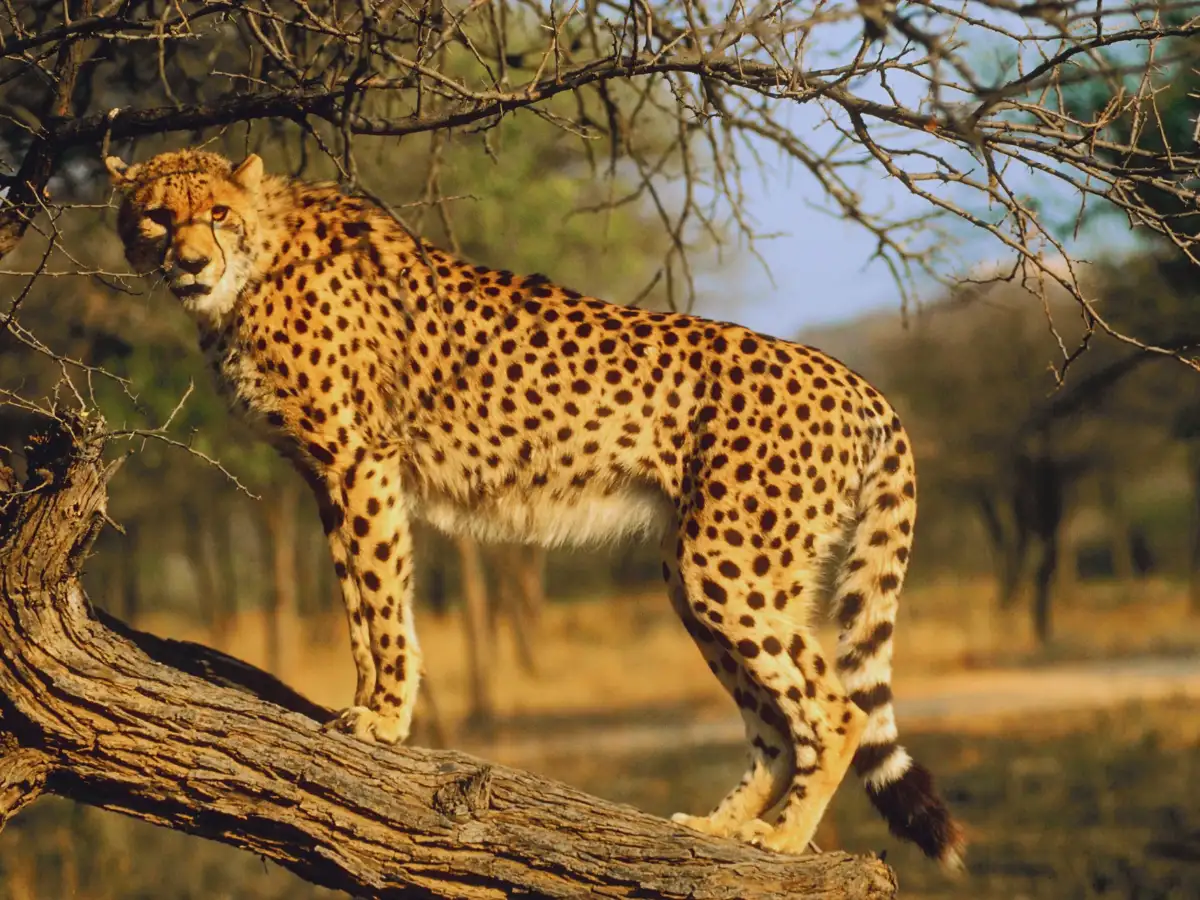
Two cheetahs have been released into the wild at Kuno National Park in Madhya Pradesh, marking another important milestone in India’s ongoing cheetah reintroduction programme under Project Cheetah. The move is part of sustained efforts to re-establish the species in its historical range and strengthen ecological balance in central India’s grassland ecosystems.
The release was carried out after the completion of mandatory quarantine and acclimatisation procedures for the two cheetahs, which were brought from Botswana as part of international wildlife translocation efforts. Officials confirmed that the animals had been closely monitored in controlled enclosures before being gradually introduced to natural forest conditions, ensuring their readiness for survival in the wild.
Chief Minister Mohan Yadav, who oversaw the release, described the development as a defining moment in Madhya Pradesh’s conservation journey. He stated that the state is now being widely recognised as a “cheetah state,” reflecting its central role in the success of the reintroduction initiative. He also highlighted that the project represents India’s commitment to restoring lost wildlife heritage through scientific conservation methods and international collaboration. 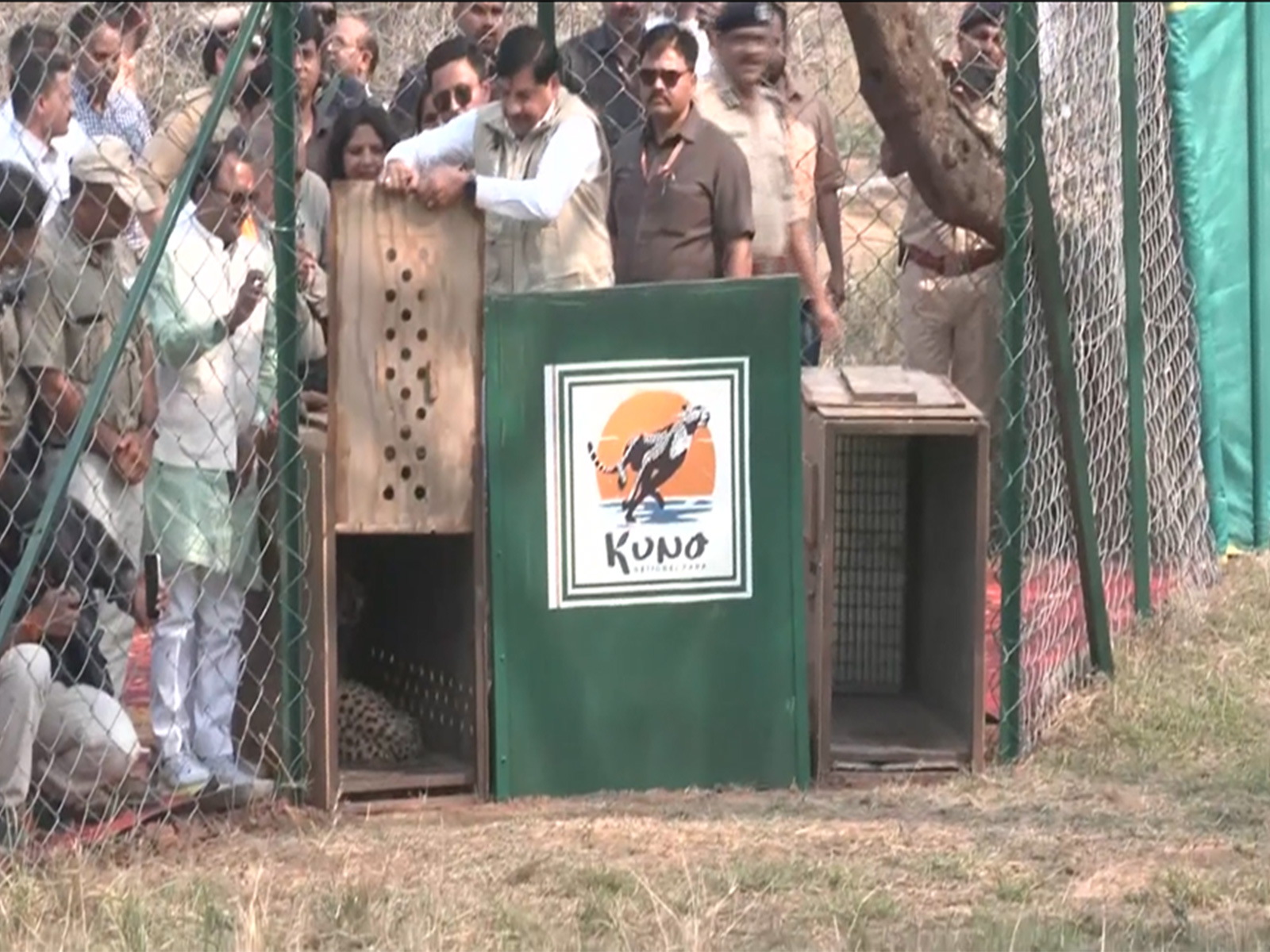
According to forest department officials, the cheetahs were allowed to enter a designated open forest area within Kuno National Park, where they will now begin adapting fully to natural hunting and territorial behaviour. Experts involved in the project explained that such phased releases are critical for ensuring the long-term survival of the species, as they allow animals to adjust gradually to wild conditions while being continuously tracked.
Project Cheetah, launched with the objective of restoring cheetahs to India, has already witnessed multiple successful relocations from African countries, including Namibia, South Africa, and Botswana. The programme has also recorded the birth of cubs in Indian conditions, which conservationists consider a positive indicator of adaptation and breeding potential.
Officials added that the presence of cheetahs is gradually transforming Kuno into a key wildlife conservation and eco-tourism hub. The park is expected to play a central role in future expansion plans, with additional habitats being evaluated for possible cheetah introduction to reduce pressure on existing populations.
Wildlife experts say that continued monitoring, habitat management, and scientific intervention will remain essential as the programme progresses. They emphasise that while early results are encouraging, the long-term goal is to establish a self-sustaining cheetah population in the wild, capable of surviving without intensive human support.
The latest release reinforces India’s broader conservation vision of restoring extinct species, improving biodiversity, and strengthening protected ecosystems across the country.