

A leading United States-based policy think tank has cautioned that long-standing tensions between India and Pakistan could escalate into an armed conflict in 2026, driven largely by heightened terrorist activity and the fragile security environment in South Asia. The assessment places the two nuclear-armed neighbours among the world’s key geopolitical flashpoints to watch in the coming year.
According to the think tank’s annual global risk outlook, the likelihood of renewed military confrontation between India and Pakistan has been classified as a “moderate risk” scenario. While not considered inevitable, analysts warn that a combination of unresolved disputes, cross-border militancy, and rapid military responses could significantly raise the chances of escalation if a major triggering incident occurs.
Terrorism Identified as Primary Trigger
The report identifies terrorist activity as the most likely catalyst for renewed hostilities. Analysts note that attacks attributed to non-state actors, particularly in sensitive regions such as Jammu and Kashmir, have historically led to sharp spikes in bilateral tensions. In such situations, diplomatic channels often come under strain, increasing the risk of miscalculation or rapid military retaliation.
The think tank cautions that even a single high-casualty incident could prompt swift responses, potentially setting off a chain reaction that may be difficult to contain. The presence of nuclear capabilities on both sides further amplifies international concern, as any escalation carries serious regional and global implications.
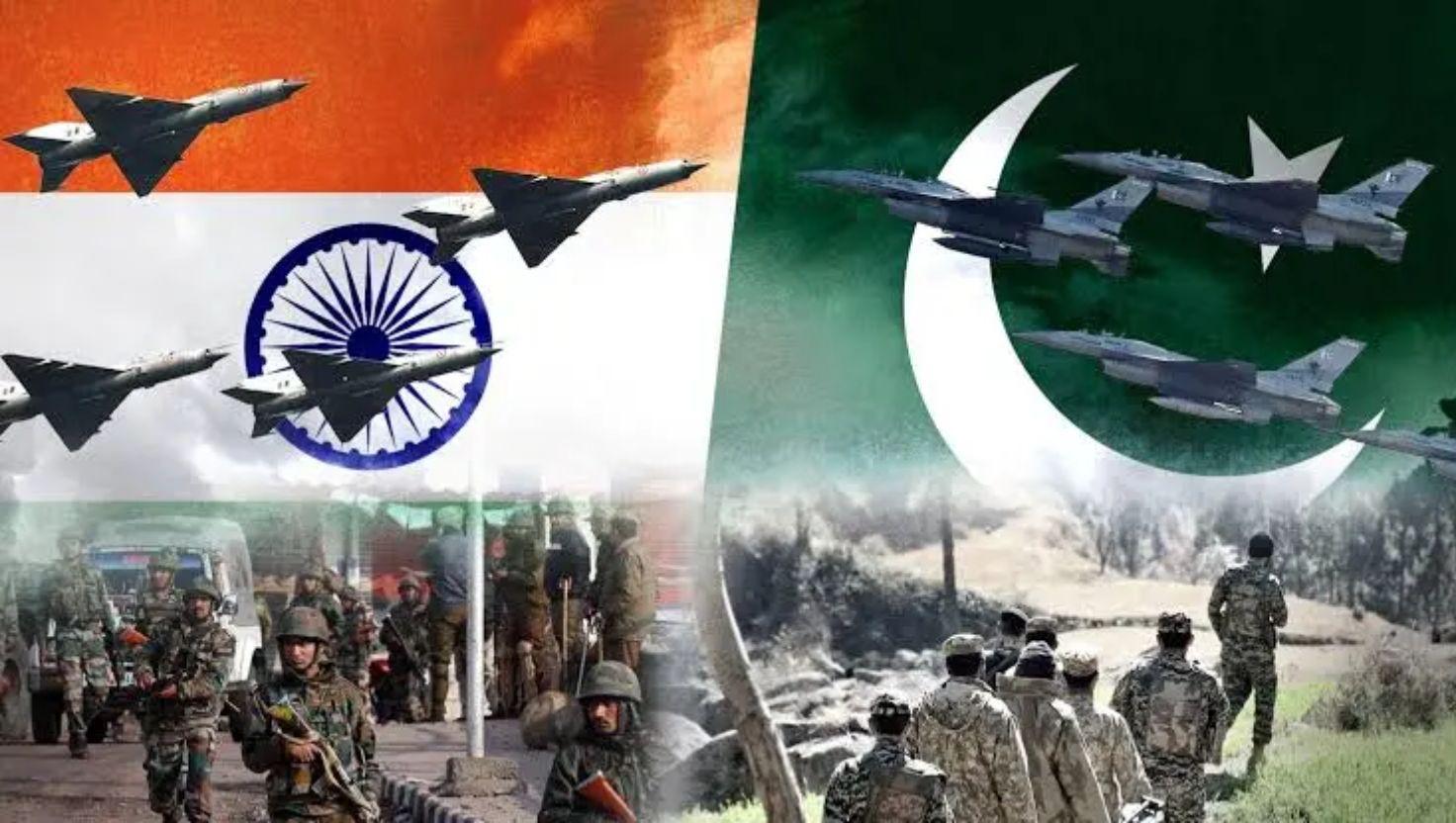
Recent Military Confrontations Highlight Fragility
The warning comes against the backdrop of recent military standoffs and confrontations that have underscored the volatility of India–Pakistan relations. Analysts point out that while ceasefire agreements and confidence-building measures have helped prevent sustained conflict, they remain vulnerable to disruption by sudden security incidents.
Past episodes have shown that even short-lived clashes can sharply raise tensions, mobilise armed forces, and heighten public pressure on political leaderships to respond forcefully. The report suggests that such dynamics could resurface in 2026 if preventive diplomacy fails.
Military Preparedness and Regional Dynamics
The assessment also draws attention to increased military preparedness on both sides. India has continued to modernise its armed forces, approving new acquisitions aimed at strengthening surveillance, precision strike, and defensive capabilities. Pakistan, meanwhile, has been working to upgrade its air defence and combat systems through strategic partnerships.
While these measures are framed as deterrence, the think tank notes that accelerated defence modernisation can sometimes lower the threshold for confrontation, especially during periods of heightened tension. Analysts stress that strong communication mechanisms are essential to prevent misunderstandings during crises.
Broader South Asian Security Concerns
Beyond India and Pakistan, the report highlights wider instability in South Asia, including tensions involving Pakistan and Afghanistan linked to militant movements and border security. These overlapping security challenges, experts say, contribute to an increasingly complex regional threat landscape.
The think tank places the India–Pakistan scenario in a broader global context, alongside other potential conflict zones worldwide, emphasising that South Asia remains a critical region for international peace and stability.

Call for Diplomatic Engagement
Despite the warning, the report stops short of predicting inevitable conflict. Instead, it underscores the importance of sustained diplomatic engagement, intelligence cooperation, and crisis-management mechanisms to reduce risks. Analysts argue that proactive measures, including backchannel communication and regional dialogue, could play a decisive role in preventing escalation.
As 2026 approaches, the assessment serves as a reminder of the delicate balance that defines India–Pakistan relations. While open conflict is not certain, experts warn that without effective risk management and political restraint, existing fault lines could deepen, with far-reaching consequences for the region and beyond.