
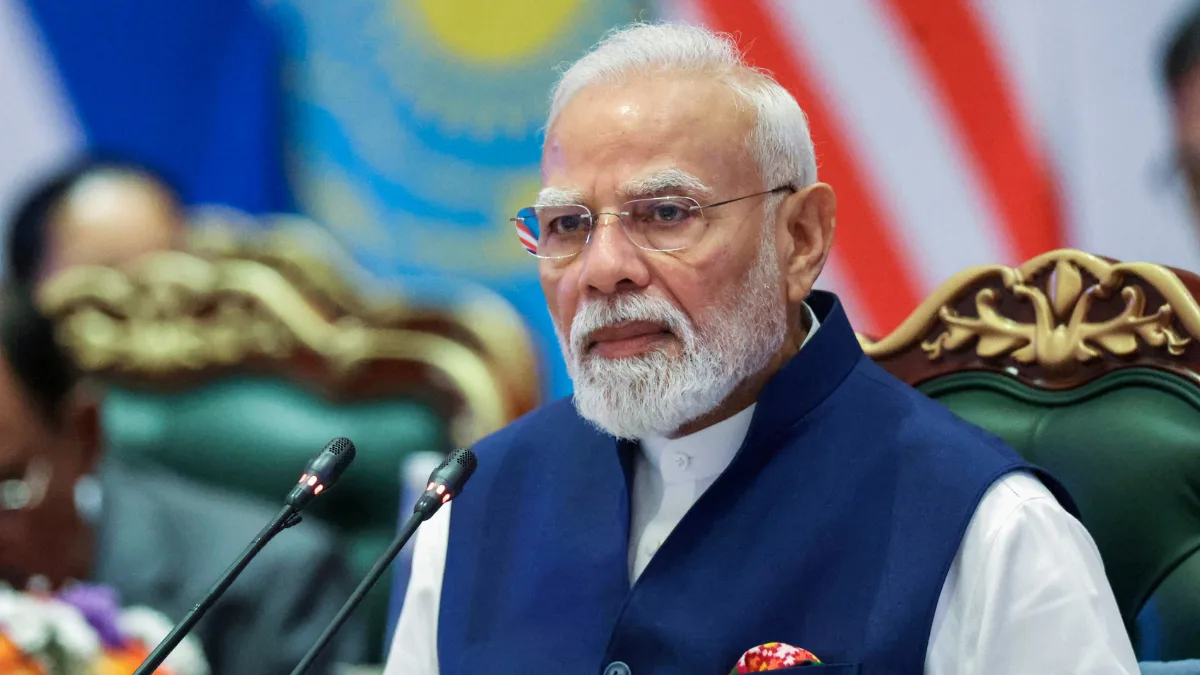
Prime Minister Narendra Modi has raised concerns over the growing use of technology and critical minerals as strategic tools, warning that their “weaponisation” could slow collective development and create fresh challenges for countries across the Global South.
Speaking at the concluding session of the BRICS Summit in New Delhi, Modi stressed the importance of cooperation, inclusivity and shared access to technological solutions. He said the grouping must work together to ensure that advances in technology and access to essential resources contribute to broader development rather than becoming sources of geopolitical pressure.
Modi did not directly name any country while discussing the issue. However, his remarks came against the backdrop of growing international concerns over restrictions involving rare earth elements, critical minerals and advanced technologies. Such resources have become increasingly important for modern industries, clean-energy systems, electronics, defence applications and advanced manufacturing.
The Prime Minister said the weaponisation of technology and critical minerals could hinder shared progress and called for a more inclusive approach to technological development and adoption.
Modi stresses cooperation for Global South
The Prime Minister underlined the importance of BRICS working beyond its own members and developing solutions that can be adapted to the needs of developing nations.
According to Modi, BRICS countries come from different economic, political and social backgrounds, but their diversity can become a strength when members cooperate on common challenges. He argued that solutions developed through the grouping should be accessible to countries of the Global South and should reflect their specific requirements.
Modi also highlighted India’s effort to position BRICS as a platform where developing nations can have a greater voice in global decision-making.
He said confidence in the grouping has increased because the concerns and experiences of developing countries are being heard. Rather than developing solutions exclusively for developing nations, Modi stressed the importance of creating them jointly with those countries.
Rising global tensions make resilience important
The Prime Minister also pointed to the increasing number of conflicts and geopolitical tensions around the world, saying that their consequences are increasingly affecting ordinary people.
He cited pandemics, climate-related disasters and disruptions to global supply chains as examples of crises that can quickly cross national borders in an interconnected world.
Against this backdrop, India placed resilience at the centre of its BRICS presidency. The country’s priorities for the grouping were built around four broad themes — resilience, innovation, cooperation and sustainability.
Modi said stronger coordination among BRICS members would help countries respond more effectively to future crises and reduce vulnerabilities created by disruptions in global systems.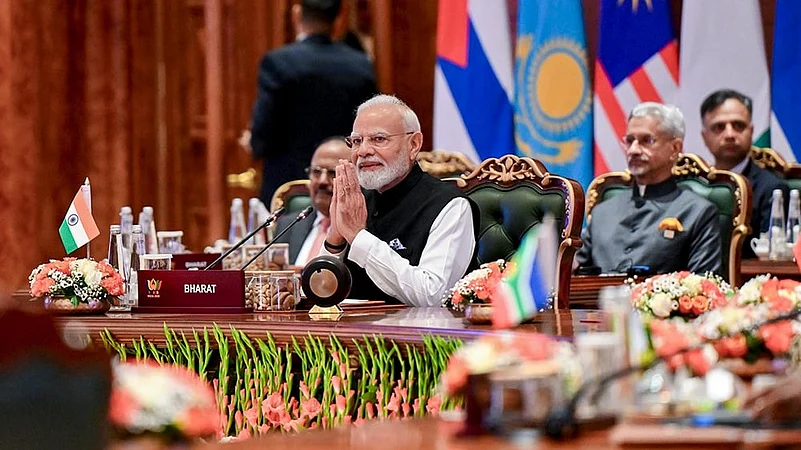
BRICS moves towards stronger early-warning systems
During India’s BRICS presidency, the grouping agreed on several initiatives aimed at improving preparedness and cooperation.
One of the measures highlighted by Modi was the proposed BRICS Integrated Early Warning System for preventing and responding to infectious diseases. Early Warning Data Integration Guidelines were also prepared to strengthen cooperation in disaster management.
The BRICS Logistics Supply Chain Cooperation Framework is another initiative intended to improve the reliability and resilience of supply chains.
These measures reflect a broader attempt to help member countries identify risks at an early stage and respond before disruptions develop into larger crises.
Focus on technology, startups and digital agriculture
Innovation was another major area of focus during the summit.
Modi highlighted the BRICS Incubator Network, which is designed to connect startups and business incubators across member countries. A BRICS Startup Innovation Fund has also been proposed to support innovative and scalable solutions.
Digital agriculture was another area where BRICS cooperation is expected to expand. The BRICS Network on Digital Agriculture seeks to connect artificial intelligence, geospatial technology and digital public infrastructure with the practical needs of farmers.
The initiative could help countries explore technology-driven solutions for agricultural productivity, resource management and rural development.
BRICS cooperation expands beyond governments
Modi also stressed that cooperation within BRICS should not remain limited to governments and official institutions.
Through the BRICS Connect initiative, India has focused on areas including employability, women’s participation in the workforce and social security. The BRICS MSME Cooperation Portal has also been developed to help small and medium-sized enterprises gain access to information, financial opportunities and new markets.
An Urban Mobility Hub is facilitating the exchange of ideas and best practices between cities, particularly in the area of urban transportation.
These initiatives reflect India’s broader effort to make BRICS cooperation more connected to businesses, workers, cities and communities.
Sustainability remains a key priority
The BRICS agenda under India’s presidency also placed emphasis on sustainability and clean energy.
A BRICS Digital Centre of Excellence was established with a focus on smart grids and improving the reliability and efficiency of clean-energy systems.
Centres of Excellence dealing with agro-ecology and regenerative agriculture were also highlighted. These initiatives aim to bring together traditional knowledge and modern scientific approaches to address agricultural and environmental challenges.
The focus reflects the growing importance of balancing economic development with environmental sustainability.
Modi calls for concrete results from BRICS
At the conclusion of the summit, Modi described BRICS as more than simply a grouping of countries, portraying it instead as an ecosystem for developing practical solutions to shared challenges.
He said the New Delhi Declaration adopted during the summit would provide direction for future cooperation among member countries.
With BRICS entering its third decade, Modi said the international community would expect the grouping to move beyond declarations and commitments towards measurable and practical outcomes.
He also conveyed India’s support to China, which is set to host the next BRICS Summit.
The Prime Minister’s remarks on technology and critical minerals underline a growing challenge for the grouping: ensuring that access to strategically important resources and advanced technologies does not become another source of geopolitical division. For BRICS and the wider Global South, greater cooperation could become increasingly important as countries seek secure supply chains, technological access and sustainable economic growth.