
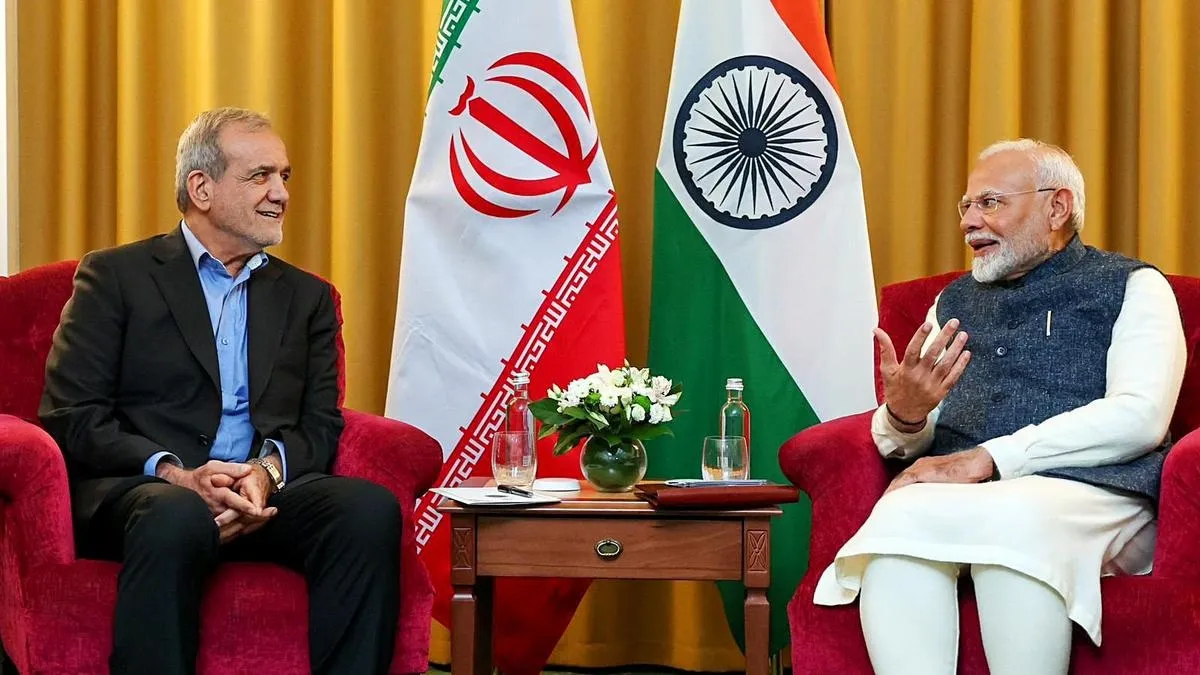
Iran has reaffirmed the importance of its relationship with India, describing the bilateral partnership as long-standing and rooted in deep historical and civilisational connections. The statement came days after Prime Minister Narendra Modi met Iranian President Masoud Pezeshkian on the sidelines of the Shanghai Cooperation Organisation (SCO) summit in Bishkek.
The renewed emphasis on India-Iran relations comes at a time of heightened geopolitical tensions in West Asia. The continuing conflict and instability in the region have raised concerns over energy security, international trade, shipping routes and the wider economic impact on countries across Asia.
Iran Highlights Long-Standing Relationship With India
Iranian Foreign Ministry spokesperson Esmaeil Baqaei stressed the importance Tehran places on its relationship with New Delhi. He described the ties between the two countries as being based on a long history of cultural, economic and civilisational links.
According to the Iranian side, India and Iran have maintained close engagement across several areas, including trade, connectivity and regional cooperation. Their relationship has also gained additional importance through their participation in multilateral organisations such as the SCO and BRICS.
These international platforms provide opportunities for the two countries to continue discussions on bilateral issues as well as wider regional and global developments.
Modi-Pezeshkian Meeting Focuses on Regional Stability
The latest Iranian statement followed a meeting between Prime Minister Narendra Modi and President Masoud Pezeshkian in Bishkek on August 31.
During the meeting, the two leaders discussed India-Iran relations as well as the rapidly changing situation in West Asia. Modi expressed concern over the escalation of tensions in the region and emphasised India’s support for dialogue and diplomacy as the preferred means of resolving disputes.
India has repeatedly called for restraint and peaceful negotiations in response to conflicts in the region. New Delhi has also underlined the importance of protecting civilians and civilian infrastructure from the consequences of military confrontation.
The two leaders also discussed the significance of maintaining freedom of navigation and uninterrupted commercial activity. The issue has particular importance because instability in West Asia can affect major maritime routes used for international trade.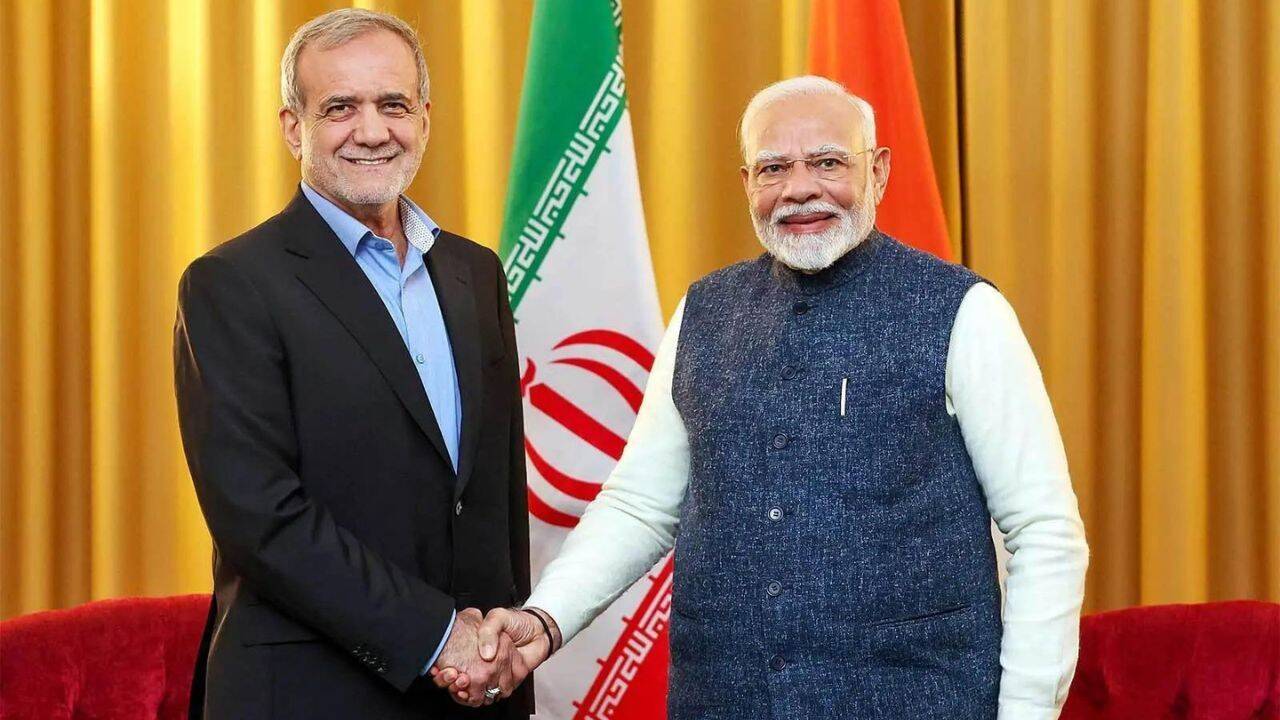
Chabahar Port Remains Strategically Important
Chabahar Port continues to be one of the most significant areas of cooperation between India and Iran.
Located on Iran’s southeastern coast, Chabahar is strategically important for India’s connectivity plans with Afghanistan and Central Asia. The port provides India with an alternative route for reaching the region without depending entirely on traditional routes through Pakistan.
India has invested considerable diplomatic and economic attention in developing Chabahar as a major connectivity hub. Greater use of the port could strengthen commercial links between India and Central Asian countries while also expanding regional trade opportunities.
The project, however, operates within a complicated geopolitical environment because of international sanctions and tensions surrounding Iran.
BRICS Offers Another Opportunity for Engagement
India and Iran are also expected to continue their engagement through the BRICS framework.
President Pezeshkian’s participation in the upcoming BRICS summit in India could provide another opportunity for the two countries to discuss their bilateral relationship. Issues related to trade, connectivity, economic cooperation and regional developments are likely to remain important areas of discussion.
For Tehran, stronger relations with India provide an opportunity to deepen engagement with one of Asia’s largest economies. For New Delhi, maintaining communication with Iran remains important because of India’s interests in regional connectivity, energy security and access to Central Asian markets.
India Balances Relations Amid Regional Tensions
India’s relationship with Iran has become increasingly significant as geopolitical tensions in West Asia continue to develop.
New Delhi has traditionally maintained relations with multiple countries and regional powers while attempting to protect its own economic and strategic interests. Its engagement with Iran exists alongside India’s important partnerships with the United States, Gulf countries and other major international powers.
This diplomatic balancing act has become more complicated because tensions involving Iran can have direct consequences for global energy supplies and shipping.
India imports a substantial portion of its energy requirements from overseas, making stability in major oil-producing regions particularly important for the country’s economy.
Trade and Connectivity Remain Key Priorities
Beyond geopolitical issues, India and Iran have several areas where cooperation could potentially expand.
Trade, transportation, port development and regional connectivity remain central to the relationship. Chabahar in particular has the potential to serve as an important link between India and countries in Central Asia.
Both countries also have an interest in maintaining regular diplomatic communication despite differences in their wider international environments.
Iran’s latest comments indicate that Tehran wants to keep its relationship with New Delhi active and strategically relevant.
Diplomatic Significance of the Bishkek Meeting
The Modi-Pezeshkian meeting carried significance because it took place during a period of heightened uncertainty in West Asia.
The discussions went beyond traditional bilateral matters and included the broader regional security situation. India’s emphasis on dialogue, diplomacy and protection of civilian interests reflects New Delhi’s longstanding approach to conflicts in the region.
For Iran, continued engagement with India offers an important diplomatic relationship with a major Asian power that maintains extensive international partnerships.
The meeting also demonstrated the value of multilateral organisations such as the SCO and BRICS as platforms where countries can maintain communication despite differences on international issues.
India-Iran Relations Likely to Remain Important
Iran’s description of its relationship with India as long-standing and historic indicates that Tehran considers New Delhi an important strategic partner.
The coming months could see further discussions on Chabahar Port, trade, connectivity and regional security. The BRICS summit may provide another opportunity for the two governments to strengthen their dialogue.
At the same time, developments in West Asia and the wider international response to Iran will continue to influence the pace and scope of bilateral cooperation.
For India, maintaining a stable relationship with Iran remains important not only because of historical ties but also because of strategic connectivity, economic interests and India’s broader role in regional diplomacy.
The renewed diplomatic engagement between Modi and Pezeshkian therefore reflects India’s continuing effort to maintain constructive relations with Iran while navigating an increasingly complex geopolitical environment.