
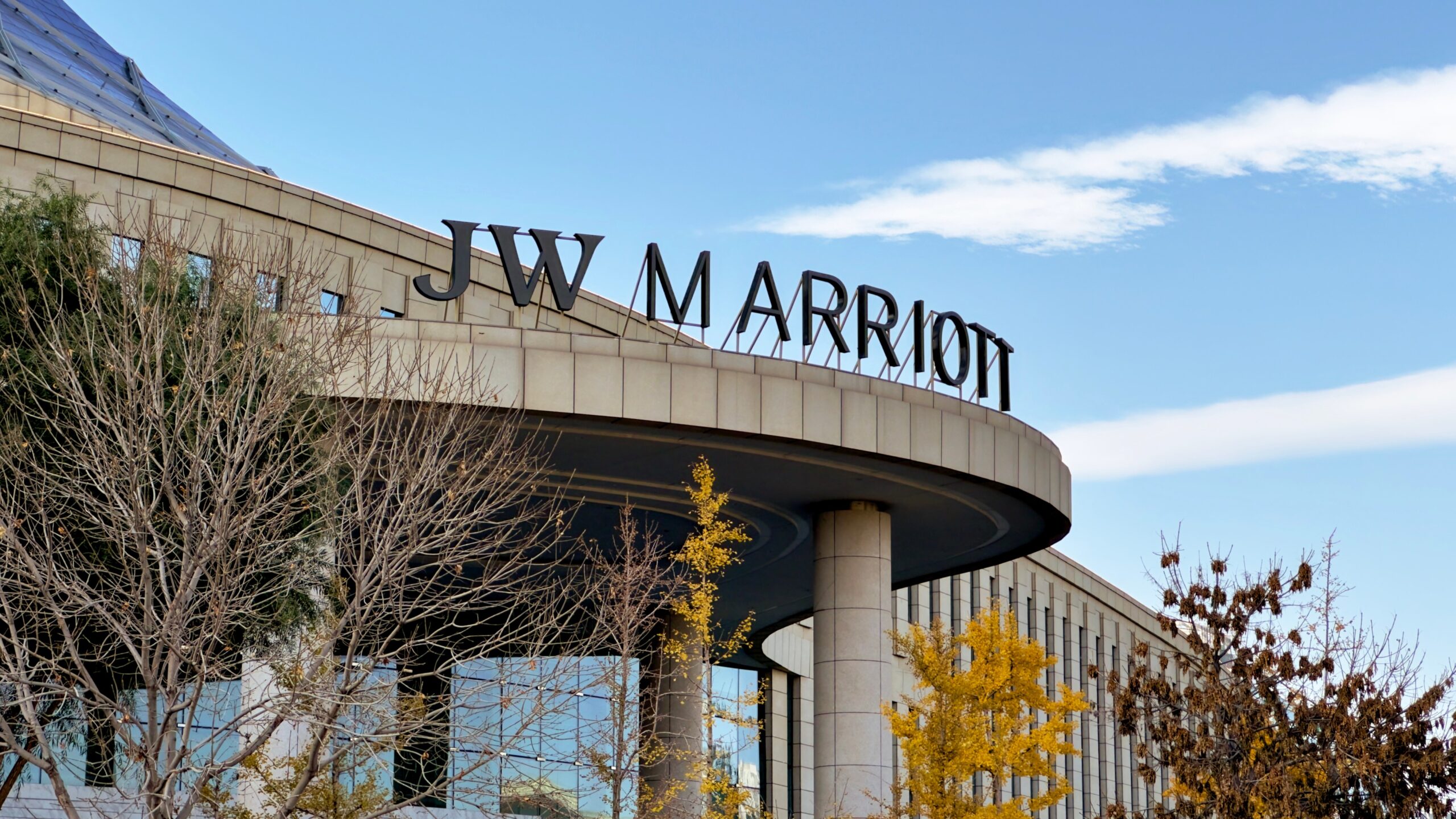
Serious food safety and hygiene violations have been reported at two prominent five-star hotels in Delhi’s Aerocity after inspections by the Food Safety and Standards Authority of India (FSSAI). The inspections at JW Marriott and Andaz Delhi uncovered pest activity, expired food products, poor sanitation, improper storage, inadequate segregation of food items and several licensing and labelling deficiencies.
The regulatory action has raised concerns about food safety practices at luxury hospitality establishments, where strict hygiene, storage and quality-control procedures are expected to be maintained. FSSAI has issued notices to both hotels and directed them to take corrective measures and submit compliance reports supported by evidence.
Serious hygiene violations found at JW Marriott
The inspection of JW Marriott revealed multiple problems across its kitchens and food-handling areas. Officials reportedly found cockroaches and fruit flies, along with unclean utensils and food-contact surfaces.
Inspectors also discovered spoiled and fungus-affected food. Apples were found showing fungal growth, while tomatoes were reportedly rotten. Cut vegetables and other food products were not stored according to prescribed conditions, while some food items were left uncovered.
The inspection also highlighted the possibility of cross-contamination. Vegetarian and non-vegetarian food was not adequately segregated, while deficiencies were identified in allergen-management practices. Some exhaust systems in kitchen areas were also found to be non-functional, raising concerns about ventilation and maintaining appropriate kitchen conditions.
The inspection covered several operational areas, including the Indian, Chinese, Italian and bakery kitchens, as well as the coffee shop, dry store, vegetable preparation section and water-bottling facility.
Licensing and labelling issues at JW Marriott
The violations at JW Marriott extended beyond physical cleanliness and food storage. FSSAI also identified problems related to licensing, labelling, traceability and compliance with food-business requirements.
Certain products, including paneer, khoya, chana masala and chilli, were reportedly found without the necessary licence or endorsement required for verification. The hotel was also found to have deficiencies relating to retail and re-labelling activities.
Problems were additionally identified in pre-packaged food labels. These reportedly included incorrectly printed FSSAI licence numbers and incomplete manufacturer-address details. Officials also noted that the food safety licence was not displayed prominently at the premises.
The regulator further flagged issues concerning temperature control, sanitation, pest management, food traceability and potable-water facilities.
A drinking-water storage tank was reportedly found to have rusting, while visible particulate matter was also observed in drinking water during the inspection. These findings added to concerns about the hotel’s overall food and water safety management.
Andaz Delhi inspection uncovers expired food
The inspection at Andaz Delhi also revealed several serious deficiencies. Officials found active cockroaches near freezers, along with houseflies, mosquitoes and spider webs in different areas of the food-preparation facilities.
One of the most significant findings was the discovery of approximately 87 kilograms of expired sweets. An expired cake base and expired bread packets were also found during the inspection.
The presence of expired food products raised concerns about the hotel’s stock-management and food-disposal procedures. Officials also reportedly detected duplicate date markings on expired bread packaging, prompting additional concerns regarding the accuracy and reliability of expiry information.
The findings were particularly significant because expired products can present food safety risks if they remain in storage or are inadvertently used for preparation or service.
Gutka packet found in bottling plant area
Another unusual finding at Andaz Delhi was the discovery of a gutka packet inside the hotel’s bottling plant area.
Food safety officials also reported pest activity in the premises, including cockroaches near freezers, houseflies and mosquitoes in a grinding room, and spider webs.
The presence of pests in food-production and storage areas can increase the risk of contamination and is considered a serious sanitation concern, particularly in a commercial kitchen serving large numbers of customers.
Improper segregation of vegetarian and non-vegetarian food
FSSAI also identified shortcomings in the segregation of vegetarian and non-vegetarian food at Andaz Delhi.
The inspection reportedly found inadequate separation practices involving food-preparation equipment. Such deficiencies can increase the risk of cross-contact and raise concerns among consumers who follow specific dietary requirements.
The regulator also flagged inadequate allergen segregation and weaknesses in food-handler hygiene. These issues are important because poor personal hygiene and inadequate separation procedures can contribute to contamination during food preparation.
Problems with temperature control and waste management
Food safety officials also identified deficiencies in temperature monitoring at Andaz Delhi. Maintaining appropriate temperatures is a critical part of food safety because improper temperature control can accelerate food spoilage and increase the growth of harmful microorganisms.
The inspection also found poor waste-management practices and inadequate supplier verification and receiving procedures. Such systems are essential for ensuring that food entering a commercial kitchen is properly sourced, inspected and stored.
The findings suggest that the concerns were not limited to individual food products but involved several stages of the hotel’s food-management process.
Structural concerns inside the hotel
The inspection at Andaz Delhi also revealed concerns about the physical arrangement and maintenance of certain food-storage facilities.
Officials reportedly observed chillers located directly between two bathrooms, with exhaust ventilation directed towards the chiller section. Severe unpleasant odours were also noted.
Such structural and ventilation issues can affect the hygienic conditions of food-storage areas and highlight the importance of maintaining suitable infrastructure in commercial food establishments.
The inspection also pointed to broader maintenance deficiencies that required corrective action.
Food samples collected for laboratory testing
As part of the enforcement process, FSSAI collected food samples from the two hotels for laboratory analysis. The samples included products such as ghee, vegetarian mayonnaise, coconut milk powder, honey, lentils, tomato sauce, orange marmalade and coconut cookies.
The laboratory findings will play an important role in determining whether further regulatory action is required. The notices issued to the hotels are part of the ongoing compliance process, and additional steps may follow depending on the test results and the corrective measures taken by the establishments.
Hotels directed to submit compliance reports
Following the inspections, FSSAI directed both hotels to immediately address the deficiencies identified by its officials.
The establishments have been asked to undertake corrective measures and submit compliance reports along with supporting evidence demonstrating that the identified problems have been resolved.
For JW Marriott, the findings involved a combination of hygiene, pest control, food storage, labelling, licensing, temperature control, water safety and traceability concerns. At Andaz Delhi, the deficiencies included expired food, pest activity, food segregation problems, poor sanitation, waste-management issues and structural concerns.
JW Marriott has said that guest wellbeing remains a priority and that the hotel is cooperating with authorities in reviewing the findings. The hotel has also indicated that it would take necessary action based on the inspection.
A response from Andaz Delhi was not immediately available.
Food safety concerns extend beyond luxury hotels
The inspections highlight a broader issue concerning food safety standards across the hospitality sector. While customers often associate premium hotels with strict hygiene and quality-control systems, the findings demonstrate that regulatory oversight remains important even at high-end establishments.
For large hotels, food safety involves much more than maintaining clean dining areas. It requires systematic pest control, proper storage temperatures, accurate labelling, appropriate segregation of food, hygienic handling, regular equipment maintenance, reliable supplier checks and effective systems for removing expired products.
The findings at JW Marriott and Andaz Delhi therefore place renewed attention on the need for continuous internal audits and strict adherence to food safety regulations.
The final outcome of the action will depend on the hotels’ compliance reports, laboratory analysis of the collected samples and any further assessment by food safety authorities.