
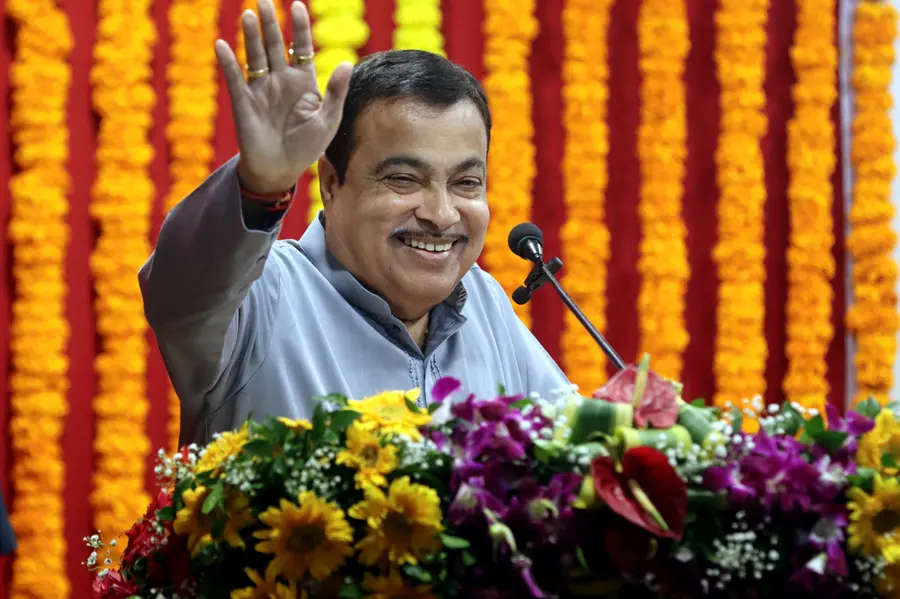
Union minister Nitin Gadkari’s recent comments about giving greater responsibility to the younger generation triggered speculation about his political future, but his office has clarified that the remarks were not related to politics or any possible decision to step away from public life.
Gadkari made the comments at an event in Nagpur on Sunday while reflecting on his long association with public service. The 69-year-old minister said he had spent around three decades in active public life, during which he had handled several responsibilities and experienced both successes and challenges. He also indicated that he could no longer work at the same pace as he had in earlier years.
Gadkari said responsibilities should gradually be transferred to the younger generation, while experienced members of the older generation could continue to guide them. The comments were subsequently widely discussed and interpreted by some as a possible indication of a change in his political role.
His office, however, moved to clarify the context on Tuesday, saying that the statement had been taken out of context and had no political meaning.
According to the clarification, Gadkari was speaking specifically about the Laxmanrao Mankar Trust, an organisation established by him that works in tribal areas through Ekal Vidyalayas, or one-teacher schools. The minister’s remarks about reducing his workload and allowing younger people to take greater responsibility were therefore connected to the future functioning and leadership of the trust.
The clarification sought to draw a clear distinction between Gadkari’s comments about the organisation and his continuing political responsibilities. His office said the remarks should not be interpreted as an announcement about retirement, withdrawal from politics or a change in his role in government.
What Gadkari said in Nagpur
During his address, Gadkari spoke about his long journey in public life and the responsibilities he had taken on over the years. He said that he had worked continuously for approximately 30 years and had witnessed several ups and downs during that period.
The minister acknowledged that his ability to maintain the same level of workload had changed. He argued that the younger generation should now be given opportunities to assume greater responsibilities, while senior members could remain involved as guides and mentors.
The broader message of his speech was focused on generational transition and the importance of preparing younger people to take leadership responsibilities. However, because of the timing and wording of the remarks, they quickly attracted attention beyond the immediate event.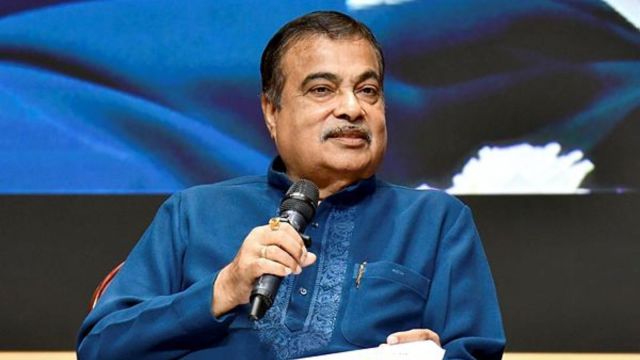
Why the comments sparked political speculation
Gadkari’s remarks came at a time when there was already discussion about possible changes within the political establishment, including speculation surrounding a potential Union Cabinet reshuffle. His position as one of the senior ministers in the central government added to the interest surrounding his comments.
The reference to the younger generation was therefore interpreted by some observers as potentially carrying a wider political message. His statement that he could not work as much as before further contributed to speculation that he might be considering a reduced political role.
However, there was no announcement by Gadkari indicating that he intended to leave politics or relinquish his ministerial responsibilities.
The clarification from his office was intended to address that interpretation directly. It stressed that the minister was discussing the functioning and future leadership of the trust and not making a political statement.
Focus on the Laxmanrao Mankar Trust
The Laxmanrao Mankar Trust, which was the subject of Gadkari’s remarks, is associated with Ekal Vidyalayas operating in tribal and rural areas. The organisation has been involved in efforts to provide education and support in communities where access to formal schooling can be limited.
Gadkari’s comments about handing over responsibilities were made in this organisational context. His office explained that the minister was discussing the need for younger people to assume a greater role in running the trust as part of a longer-term leadership transition.
The explanation also indicated that Gadkari’s comments about his reduced capacity to take on work were connected to his involvement with the organisation rather than a statement about his political career.
Office objects to political interpretation
Gadkari’s office also objected to the way some television reports had presented the remarks. It maintained that the comments had been removed from their original context and subsequently portrayed as a political statement.
The clarification emphasised that there was no political message behind Gadkari’s discussion of generational change. Instead, it was an observation about the future functioning of an organisation and the importance of allowing younger members to shoulder greater responsibility.
The clarification is significant because Gadkari remains a prominent figure in the central government and an influential leader from Maharashtra. Any suggestion that he was preparing to reduce his political involvement was therefore likely to attract considerable attention.
Gadkari’s political role remains unchanged
The latest clarification does not indicate any change in Gadkari’s current political responsibilities. Rather, it seeks to put an end to speculation generated by remarks that were made in a non-political setting.
Gadkari has been a major figure in national politics for several decades and has held important organisational and ministerial responsibilities. His tenure as Union minister for Road Transport and Highways has also made him one of the most visible members of the central government.
The episode highlights how comments made about organisational or social work can acquire a broader political meaning when made by senior public figures. In Gadkari’s case, his reference to generational leadership was quickly linked to questions about his own future, prompting his office to issue a clarification.
For now, the message from Gadkari’s office is that the remarks should be understood strictly in the context in which they were made. The discussion was about passing responsibility within the Laxmanrao Mankar Trust to younger members and allowing experienced individuals to continue providing guidance—not about Gadkari stepping away from politics.