
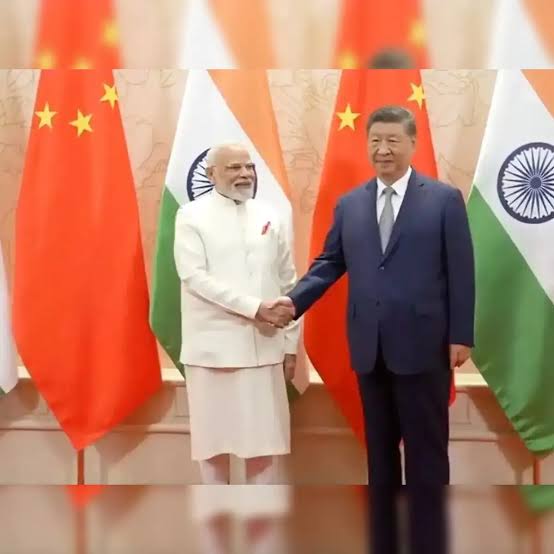
Chinese President Xi Jinping is likely to travel to India next month to attend the 2026 BRICS Summit in New Delhi, a visit that could become a significant moment in the gradual efforts by New Delhi and Beijing to stabilise relations after years of heightened tensions.
If confirmed, Xi’s visit would be his first trip to India in nearly seven years. India is scheduled to host the BRICS leaders’ summit on September 12 and 13, bringing together leaders of the grouping at a time when global economic, strategic and geopolitical equations are undergoing major changes.
The potential visit is being closely watched not only because of its importance for the BRICS grouping but also because of what it could indicate about the direction of India-China relations. The two Asian powers have been attempting to rebuild diplomatic engagement after the severe deterioration in ties that followed the 2020 military confrontation along the disputed Himalayan border.
Large Chinese delegation expected
According to people familiar with preparations, Chinese officials are working on arrangements linked to Xi’s possible participation, including accommodation and security-related planning. The Chinese president could reportedly travel with a delegation of around 400 officials.
Such a large delegation would underline the importance Beijing attaches to the visit and to its engagement with India. It would also provide an opportunity for Chinese and Indian officials to hold discussions across a wide range of political, economic and strategic issues.
However, Xi’s travel plans have not yet been formally confirmed by Beijing. Chinese authorities have indicated that China attaches considerable importance to BRICS cooperation and supports India’s role as the current chair of the grouping, while stopping short of officially announcing the Chinese president’s attendance.
The Indian government has also not formally confirmed the visit.
A potential turning point in India-China ties
Xi’s possible arrival in New Delhi comes against the backdrop of a cautious improvement in India-China relations following years of military and diplomatic strain.
The relationship suffered a major setback after the deadly clashes in the Galwan Valley in eastern Ladakh in 2020. The confrontation led to a prolonged military standoff, with both countries deploying large numbers of troops and military equipment along sections of their disputed frontier.
Although subsequent diplomatic and military negotiations have resulted in steps towards disengagement and stabilisation in some areas, the broader boundary dispute remains unresolved.
As a result, any high-level engagement between Prime Minister Narendra Modi and Xi would attract considerable attention. A meeting on the sidelines of the BRICS summit could potentially provide the two leaders with an opportunity to discuss the border situation as well as broader bilateral relations.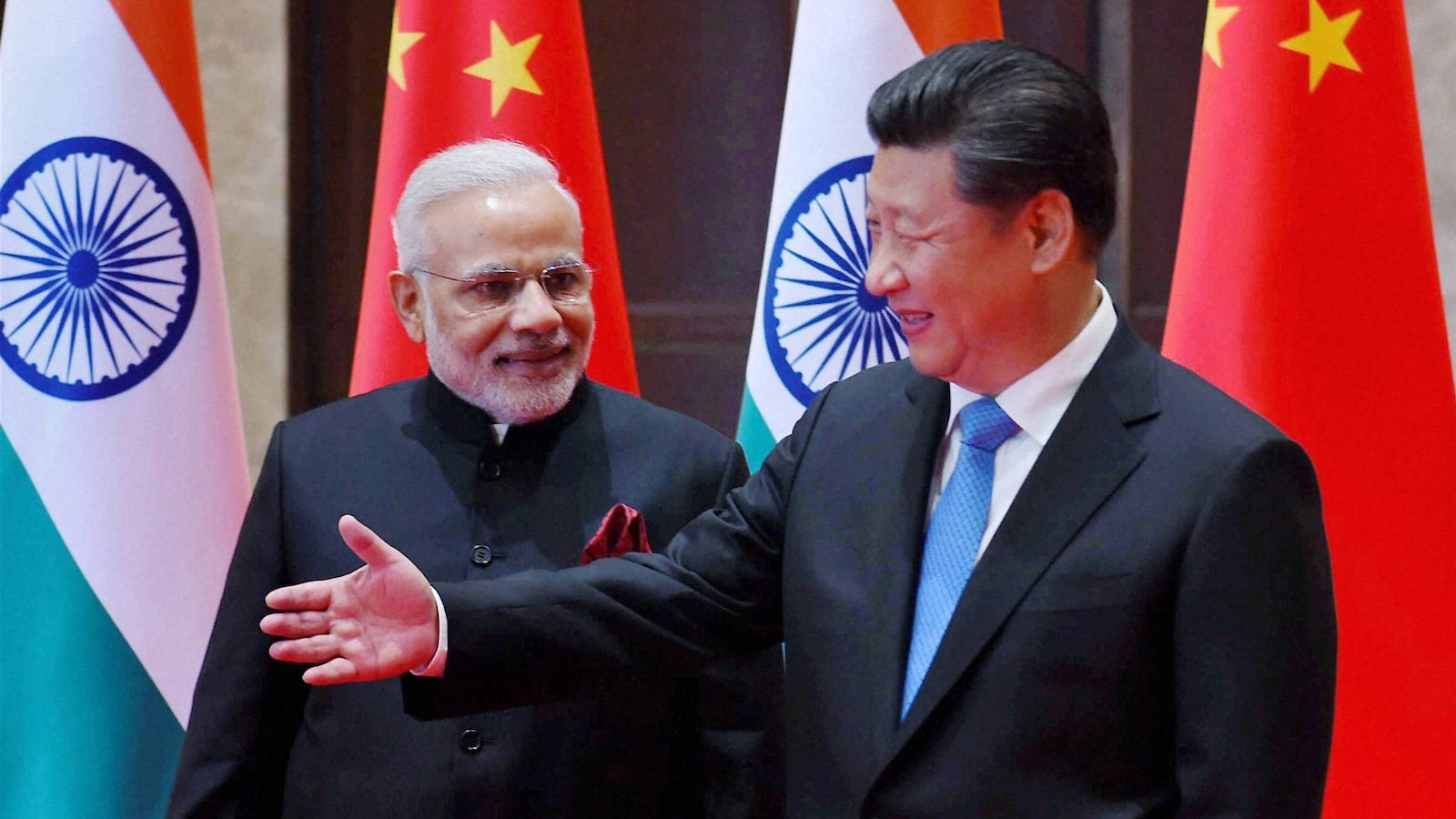
Border issue remains central
The possible BRICS visit is taking place while India and China continue efforts to manage their unresolved boundary dispute.
National Security Adviser Ajit Doval has been involved in high-level discussions with Chinese officials under the Special Representatives mechanism, which was established to address the boundary question. The latest round of talks comes at an important time, with Xi’s possible visit placing additional diplomatic significance on efforts to maintain stability along the frontier.
The border remains one of the most sensitive issues between New Delhi and Beijing. While both sides have taken steps to reduce immediate military tensions, the underlying territorial dispute has not been settled.
Recent disagreements and competing claims have demonstrated that the relationship remains vulnerable to fresh friction. This means that any diplomatic progress made before or during the BRICS summit could have implications beyond the immediate summit agenda.
Possible Modi-Xi engagement
One of the most closely watched aspects of Xi’s potential visit will be whether he holds a bilateral meeting with Modi.
The two leaders have met several times in recent years in multilateral settings, including during the Shanghai Cooperation Organisation process. Their interactions have been important in maintaining channels of communication despite the difficult state of bilateral relations.
A meeting in New Delhi could allow the two sides to review progress made since the deterioration in ties in 2020 and explore ways to expand engagement while managing outstanding disagreements.
For India, the priority is likely to remain the preservation of peace and stability along the border while creating conditions for the gradual restoration of normal bilateral relations. For China, improved engagement with India could help strengthen economic and diplomatic ties with one of Asia’s largest powers.
BRICS summit adds wider geopolitical significance
Xi’s possible attendance also carries significance for the BRICS grouping itself.
India’s hosting of the summit comes as BRICS seeks to expand its role in global affairs and strengthen cooperation among its members. The grouping has increasingly become an important platform for discussions on economic cooperation, development, international institutions and the changing global balance of power.
With China being one of BRICS’ most influential members, the presence of its president would add considerable weight to the summit.
However, the political significance of Xi’s India visit could extend well beyond the formal BRICS agenda. His presence in New Delhi would be closely interpreted as an indicator of the state of China-India relations and the extent to which both sides are prepared to move beyond the tensions of the past several years.
A cautious thaw, rather than a complete reset
The possible visit should not necessarily be interpreted as evidence of a complete reset in relations.
India and China continue to have substantial differences over the border, regional security, trade and strategic competition. Both countries also remain sensitive to each other’s growing relationships with other major powers.
Nevertheless, sustained diplomatic engagement could help prevent disagreements from escalating and create space for cooperation in areas where mutual interests exist.
The proposed visit therefore comes at a delicate stage. A successful summit-level engagement could reinforce the recent efforts to stabilise relations, while unresolved disputes could limit the extent of any rapprochement.
What Xi’s visit could mean for India-China relations
If the visit goes ahead as expected, it would represent the most significant high-level Chinese political engagement with India in several years.
For New Delhi, the summit would provide an opportunity to demonstrate its diplomatic importance as BRICS chair while simultaneously engaging Beijing at the highest political level. For Beijing, Xi’s presence would signal an interest in maintaining direct communication with India despite continuing strategic differences.
The September summit could consequently become an important test of whether the two countries can maintain their recent diplomatic momentum.
Much will depend on the discussions surrounding the border, the tone of any Modi-Xi meeting and whether both governments can translate political engagement into sustained progress on outstanding issues.
For now, Xi’s attendance remains subject to official confirmation. But preparations surrounding the potential visit have already placed India-China relations firmly back in the spotlight ahead of the BRICS summit in New Delhi.