
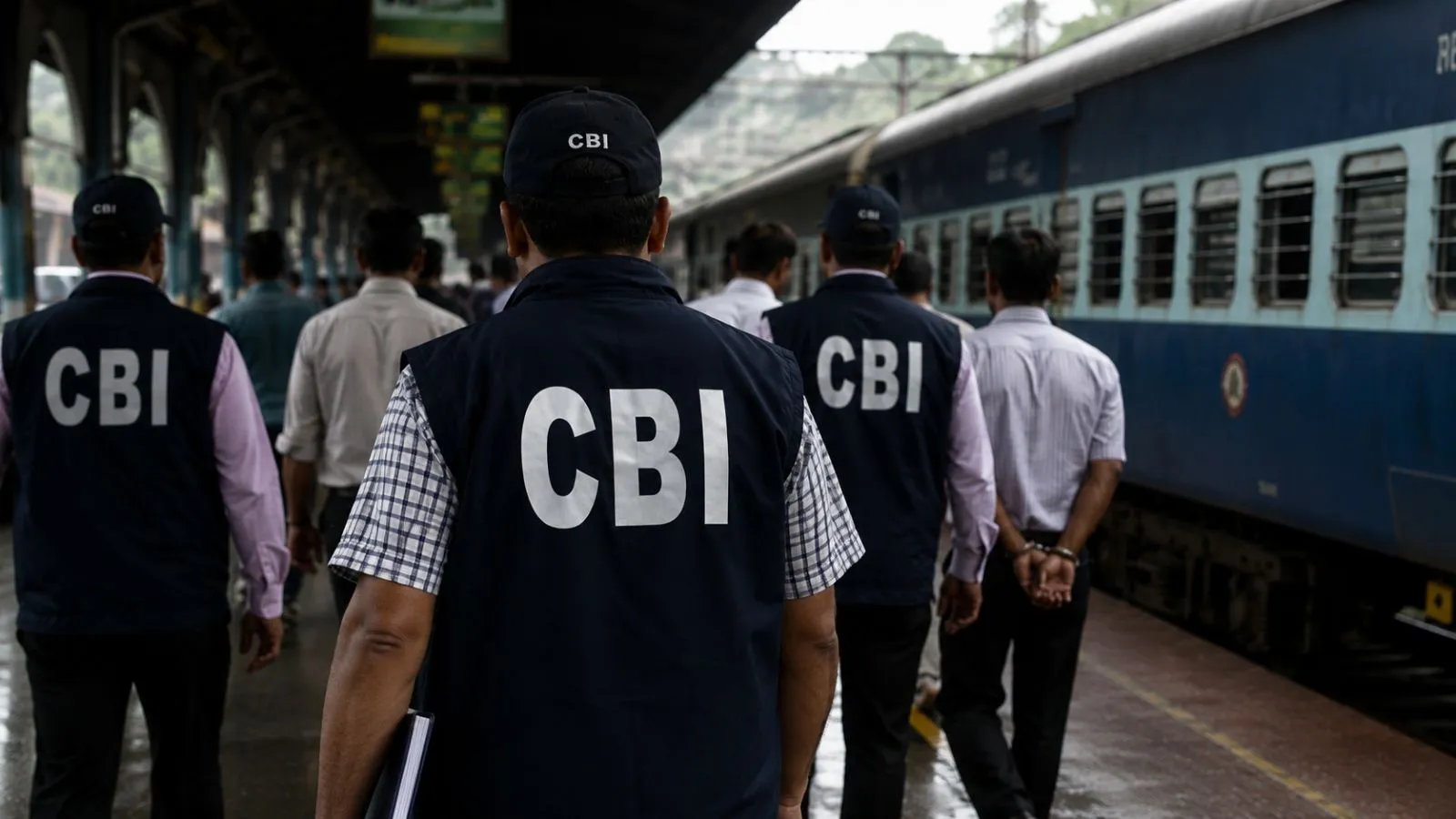
The Central Bureau of Investigation (CBI) has arrested six railway officials in connection with separate bribery cases in Rajasthan and Chhattisgarh. The arrests followed allegations that railway personnel had demanded or accepted illegal payments in return for performing official duties, including processing bills and facilitating payments to private contractors and companies.
The action is part of the CBI’s continuing investigation into corruption allegations involving government officials. The cases have drawn attention to the vulnerability of administrative and payment procedures to misuse, particularly where contractors and private companies depend on government departments for the clearance of bills.
In Rajasthan, five railway officials associated with North Western Railway establishments in Jaipur and Bikaner were arrested in separate cases. The allegations centred on demands for illegal gratification connected with the processing of bills submitted by private companies.
According to the investigation, the accused officials allegedly sought money in exchange for facilitating the clearance of bills. Such allegations are particularly significant in government contracting because delays in processing bills can affect the cash flow of companies and contractors working on public projects.
Following the complaints, the CBI initiated investigations and carried out operations at locations linked to the accused officials. Cash and other material believed to be relevant to the cases were recovered during the proceedings. Investigators are examining the recovered material along with official documents and financial records to establish the circumstances surrounding the alleged transactions.
The Rajasthan cases involve railway personnel working in different capacities. Investigators are treating the allegations as separate cases and are examining the specific role of each accused official. The agency is also expected to determine whether the officials acted independently or whether additional individuals were involved in the alleged bribery arrangements.
A separate corruption investigation was also undertaken in Chhattisgarh. The CBI conducted an operation at the railway’s Passenger Park, or PP Yard, in Charoda near Bhilai following allegations against a senior railway engineering official.
The complaint in the Chhattisgarh case reportedly concerned an alleged demand for money from a contractor in exchange for clearing a running bill. Investigators examined the railway office and questioned personnel as part of the inquiry. Documents and records connected with the contractor’s work and payment were also examined.
The allegations highlight the importance of transparency in the processing of railway contracts and payments. Contractors working with government departments generally depend on the timely verification and clearance of bills after completing assigned work. Any alleged demand for money in exchange for such administrative action can undermine confidence in the procurement and payment system.
The CBI’s investigation is not limited to establishing whether money changed hands. Investigators typically examine official files, correspondence, payment records, financial transactions and statements of individuals connected with a case. Such evidence can help establish whether an alleged payment was linked to a specific official favour and whether other people were involved.
The cases also highlight the role of vigilance and anti-corruption mechanisms within the Indian Railways. The railway network handles a large number of contracts covering construction, maintenance, procurement, engineering, transportation and other services. These activities involve extensive interaction between government employees and private contractors, making effective oversight essential.
The latest arrests indicate that allegations involving demands for illegal gratification continue to receive close attention from investigative agencies. Trap operations, searches and examination of documentary evidence are among the methods used by agencies to investigate suspected corruption involving public servants.
The cases in Rajasthan and Chhattisgarh, although separate, involve a similar allegation: that railway officials allegedly used their official authority to obtain financial benefits from individuals or companies dealing with the department.
The CBI is expected to continue examining the evidence gathered during the investigations. Financial records, official documents, communications and statements from contractors and other witnesses could play an important role in determining whether further action is required.
It is important to note that arrest is an investigative step and does not establish guilt. The allegations against the accused officials will be subject to judicial proceedings, where the evidence will be examined according to law and the accused will have the opportunity to present their defence.
The developments have once again brought the issue of corruption in public administration into focus. Efficient and transparent bill-processing mechanisms are particularly important in large government organisations, where delays or discretionary decisions can create opportunities for alleged misconduct.
As the investigations progress, the CBI will determine the precise roles of the accused officials and whether the evidence supports further prosecution or additional action. The final outcome will depend on the evidence collected during the investigation and subsequent judicial proceedings.