
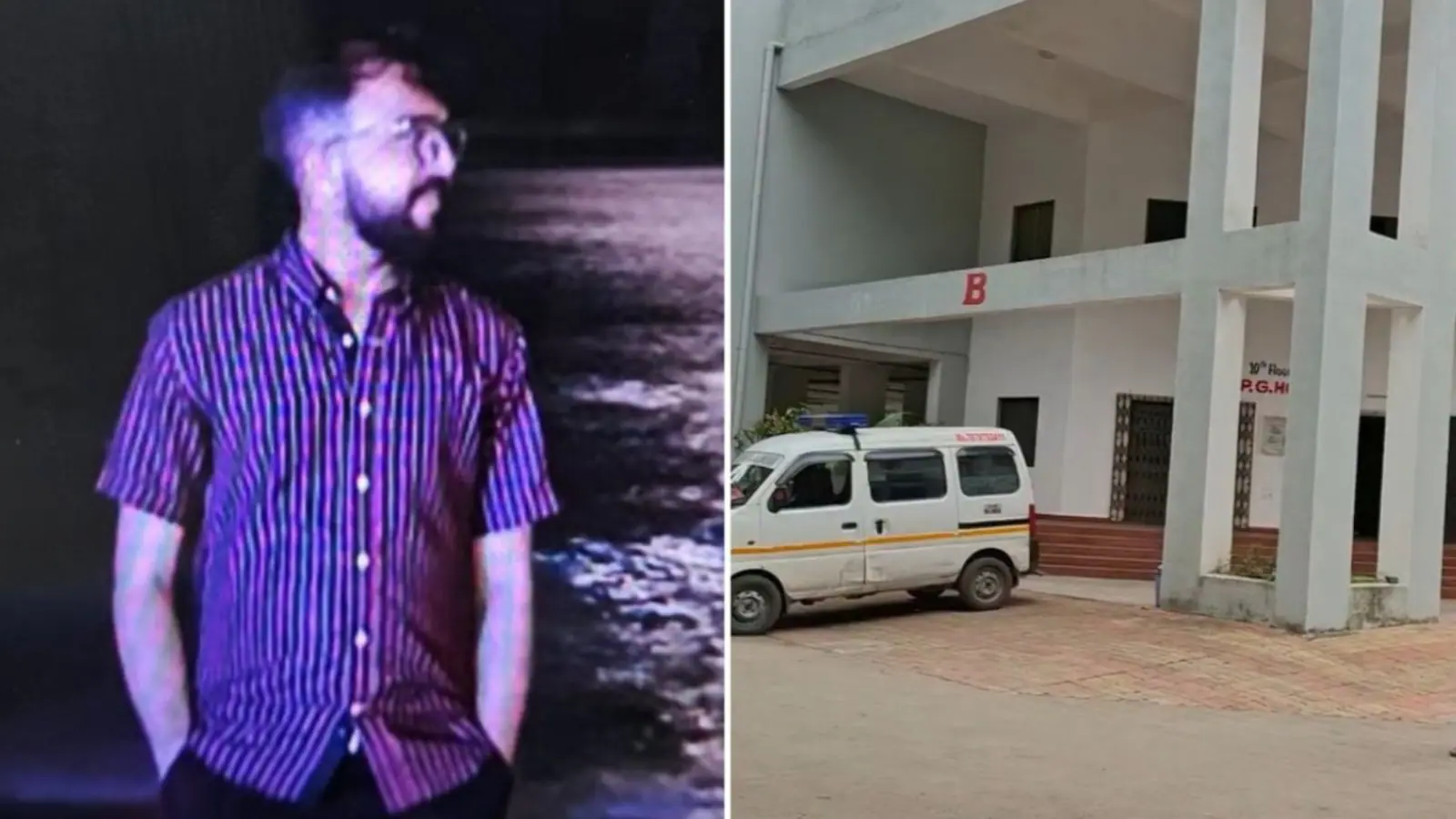
A first-year postgraduate medical student was found dead inside his hostel room at a government medical college in Surat, Gujarat, prompting an internal investigation and disciplinary action against four senior resident doctors over alleged ragging and mental harassment.
The incident occurred at the postgraduate hostel located on the campus of New Civil Hospital in Surat. The deceased doctor was pursuing MD Microbiology and was also working as a resident doctor at the hospital.
According to officials, the doctor did not report for his scheduled duty on Sunday morning. Concerned colleagues attempted to contact him by phone, but there was no response. A fellow resident was subsequently asked to check his hostel room.
When the colleague reached the room, the door was locked from inside and repeated attempts to establish contact failed. Security personnel were called and the door was eventually opened. The doctor was found dead inside the room. Police were informed soon afterwards and an investigation was initiated.
Four senior doctors suspended
Following the death, an Anti-Ragging Committee at the medical college conducted an inquiry into allegations concerning the treatment of junior residents by senior doctors.
Four second-year MD Microbiology residents were subsequently suspended for six months. The disciplinary action includes removal from the hostel and restrictions on their participation in academic activities during the suspension period.
The inquiry committee questioned residents, senior doctors, hospital employees and faculty members of the Microbiology department as part of its investigation. Statements from several junior doctors were also recorded.
Officials said the committee’s findings indicated that the conduct of the four senior residents amounted to ragging under the applicable medical education regulations. The allegations included verbal abuse, inappropriate behaviour and mental harassment.
The inquiry did not find evidence of physical assault, according to the hospital administration.
Allegations of repeated mental harassment
A government statement said that no suicide note was recovered from the hostel room. However, statements given by fellow students reportedly indicated that the deceased doctor had experienced repeated mental harassment and torture allegedly involving senior doctors.
The findings have brought renewed attention to the issue of ragging in medical institutions, particularly the treatment of postgraduate and junior residents who often work in demanding hospital environments while simultaneously undertaking advanced academic training.
The authorities have stressed that the allegations are being examined through an institutional inquiry and that further action will depend on the findings of the investigation.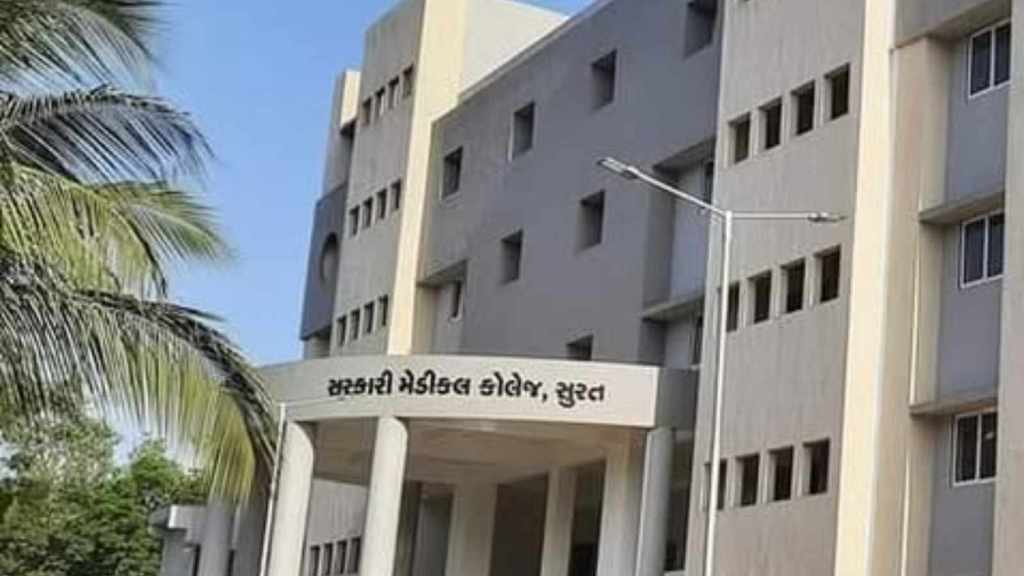
Health department orders time-bound inquiry
The state’s health department moved quickly after the death was reported. The minister of state for health ordered an investigation into the circumstances surrounding the incident and directed officials to submit a report within 24 hours.
The inquiry was conducted under the supervision of senior medical education and hospital authorities. The committee began questioning individuals connected with the case on Sunday evening and continued its proceedings into the early hours of Monday.
The investigation examined the deceased doctor’s interactions with colleagues and seniors, allegations of ragging, the working environment within the department and other circumstances that could have contributed to the tragedy.
FIR to be filed against suspended doctors
Hospital authorities have also indicated that an FIR will be registered against the four suspended doctors.
The proposed police action is expected to allow investigators to examine the allegations independently and determine whether any criminal offence was committed. The disciplinary proceedings by the medical college and the police investigation will therefore address different aspects of the case.
The suspension of the four residents is an immediate administrative measure and does not, by itself, establish criminal liability. Any criminal responsibility will have to be determined through the investigation and due legal process.
Incident raises concerns over ragging in medical institutions
The death has once again raised concerns about the persistence of ragging and hierarchical harassment within educational and medical institutions.
Medical training involves long working hours, emergency duties, academic pressure and close interaction between junior and senior residents. While professional supervision is an essential part of postgraduate medical education, allegations of humiliation, verbal abuse or psychological harassment can create an unsafe environment for students and residents.
Anti-ragging regulations are intended to prevent such conduct and provide mechanisms for students to report complaints. The Surat case is likely to put further focus on whether students feel sufficiently safe to report harassment and whether institutions respond promptly when complaints arise.
For medical colleges, the incident also highlights the importance of maintaining effective grievance mechanisms, monitoring interactions between junior and senior residents, and ensuring that complaints of harassment are investigated without delay.
Investigation remains underway
The circumstances surrounding the doctor’s death continue to be investigated. The absence of a suicide note means investigators will have to rely on statements, available evidence and other findings to establish the sequence of events and the factors surrounding the death.
The internal inquiry has already resulted in disciplinary action against four senior residents, while the proposed FIR is expected to take the matter into the criminal investigation process.
Authorities are also expected to examine the broader working and academic environment within the department to determine whether the alleged harassment was an isolated incident or part of a wider pattern of behaviour.
The case has therefore become both a matter of investigation into an individual death and a wider institutional concern about ragging, mental harassment and the protection of junior doctors in medical education settings.