
A significant legal development has placed one of India’s leading fast-moving consumer goods (FMCG) companies under scrutiny after a court directed Dabur to stop using allegedly misleading “100%” claims on several of its products. The ruling highlights the increasing emphasis on truthful advertising practices and consumer protection, sending a strong message to companies about ensuring that promotional claims accurately reflect the nature and composition of their products.
The case centered on the use of the word “100%” in advertisements and product packaging, which was argued to create the impression that the products were entirely natural or made exclusively from specific ingredients. The court observed that such claims could potentially mislead consumers if they were not fully supported by the actual product composition or scientific evidence. As a result, the company has been restrained from continuing to use these claims until the matter is resolved through legal proceedings.
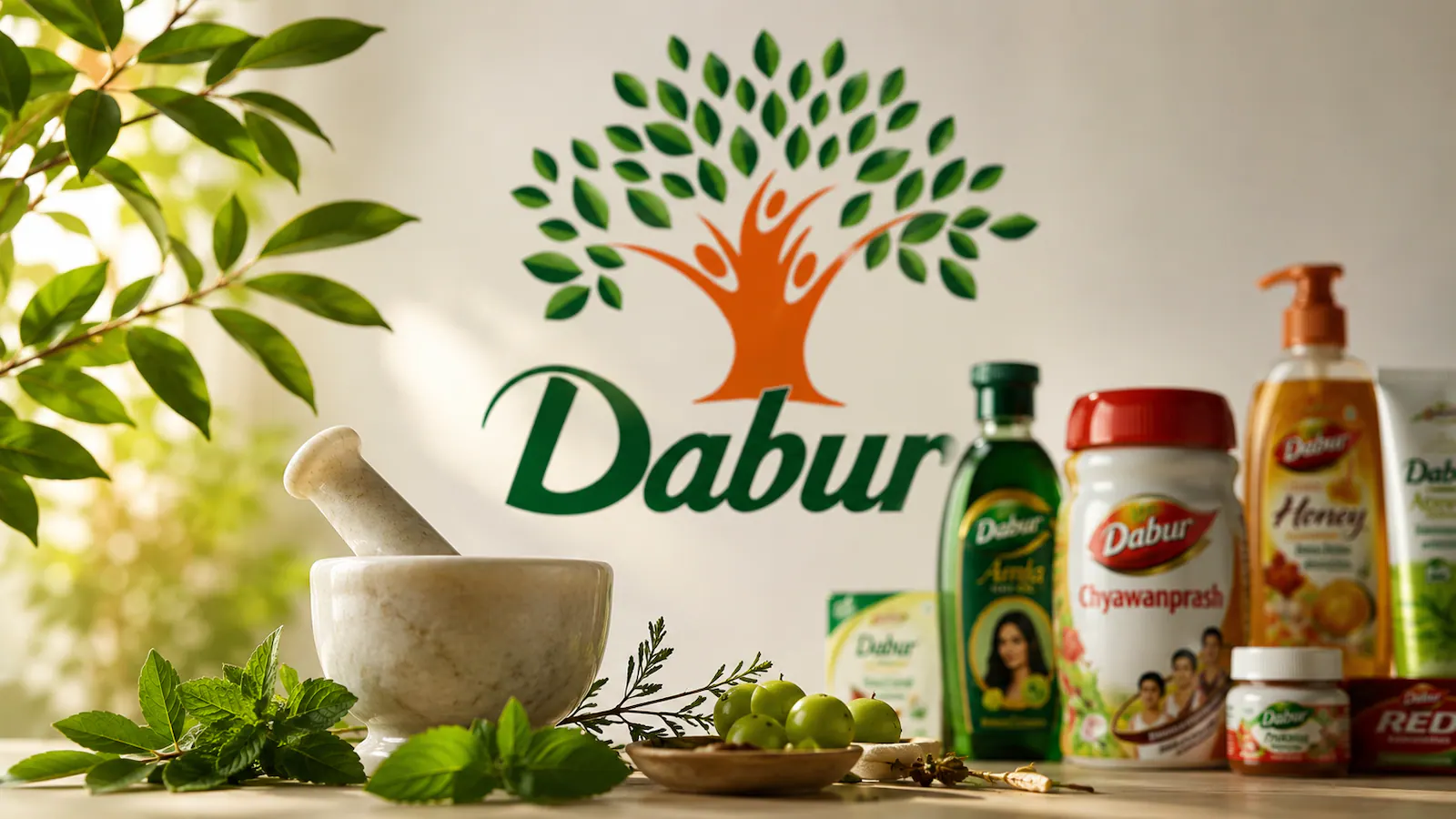
The order applies to a range of Dabur consumer products marketed across different categories. Products reportedly affected by the court’s directive include:
- Dabur Amla Hair Oil
- Dabur Red Toothpaste
- Dabur Honey
- Dabur Chyawanprash
- Dabur Real Fruit Juice variants carrying “100%” promotional claims
- Other products featuring similar “100%” advertising or packaging statements that could create misleading impressions
The dispute arose over concerns that the use of the “100%” label could influence purchasing decisions by suggesting absolute purity, complete naturalness, or the absence of additives without sufficient factual backing. Consumer rights advocates have long argued that such claims require clear evidence because they directly affect consumer trust and purchasing behaviour.
The court stressed that businesses must ensure advertisements are transparent, accurate, and capable of being substantiated. Marketing slogans or promotional statements should not exaggerate product qualities in a manner that could deceive ordinary consumers. The ruling reflects broader judicial efforts to promote fair competition while safeguarding consumer interests in an increasingly competitive marketplace.
Legal experts believe the decision could have wider implications for the FMCG industry. Many companies use phrases such as “100% natural,” “100% pure,” or similar expressions as part of their branding strategies. Following this order, manufacturers may face greater scrutiny from regulators and courts regarding the scientific and factual basis of such promotional claims.
For consumers, the ruling reinforces the importance of carefully evaluating product labels and advertising messages rather than relying solely on marketing terminology. It also underlines the role of the legal system in ensuring that businesses maintain transparency and accountability in commercial communication.
The case is expected to continue through the legal process, and the final outcome may further clarify how companies can use absolute claims in advertising. Until then, the interim order serves as a reminder that promotional language must be supported by verifiable facts and should not create unrealistic or misleading expectations among consumers.
The development is likely to encourage companies across sectors to review their product packaging and advertising campaigns to ensure compliance with consumer protection principles and advertising regulations. As regulators and courts continue to focus on truthful marketing, businesses may increasingly adopt more precise and evidence-based communication to maintain consumer confidence and avoid legal challenges.