
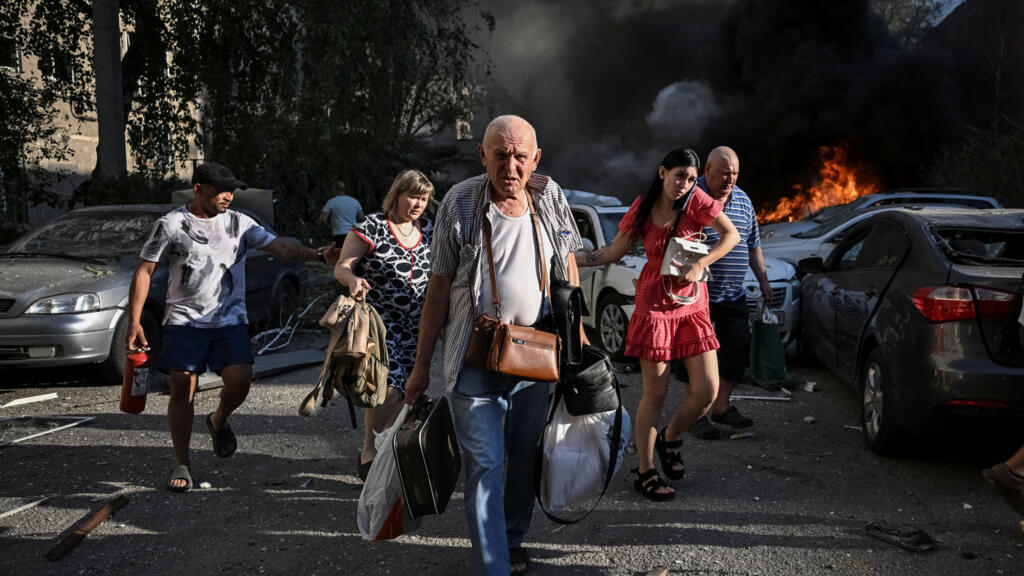
Ukraine and Russia have intensified their exchange of strikes, with both sides appearing to increase the scale and intensity of military operations as the prolonged conflict enters another phase of escalation.
The latest wave of attacks highlights a growing pattern of expanded aerial and missile operations between Moscow and Kyiv, nearly four-and-a-half years after the war began. The continued escalation reflects the ongoing challenges in efforts to bring the conflict toward a resolution, with both nations maintaining pressure through repeated strikes on strategic targets.
The exchanges have raised concerns over the widening impact of the conflict, as attacks continue to affect military positions, infrastructure, and areas near population centres. Both Russia and Ukraine have repeatedly stated that their operations are aimed at weakening the opposing side’s military capabilities, while accusing each other of targeting critical facilities and causing civilian harm.
The increase in strike activity comes at a time when neither side has shown signs of reducing military operations. Instead, the conflict has evolved into a prolonged battle involving advanced weapons systems, long-range attacks, and sustained pressure along multiple fronts.
Russian forces have continued to launch attacks using missiles and drones, while Ukraine has expanded its use of long-range capabilities to target locations inside Russian-controlled territory. The frequent exchanges demonstrate how the conflict has moved beyond traditional battlefield engagements, with aerial warfare becoming a central part of both countries’ strategies.
International observers have expressed concern over the continued escalation, warning that intensified attacks could further complicate diplomatic efforts. Despite repeated calls for negotiations and a ceasefire, the two sides remain deeply divided over security concerns, territorial issues, and the conditions required for any potential peace agreement.
The latest strikes underline the difficult situation facing both nations as the war continues to place heavy pressure on military resources, economies, and civilian populations. With no immediate breakthrough in negotiations, the conflict remains one of the most significant security challenges in the international arena.