
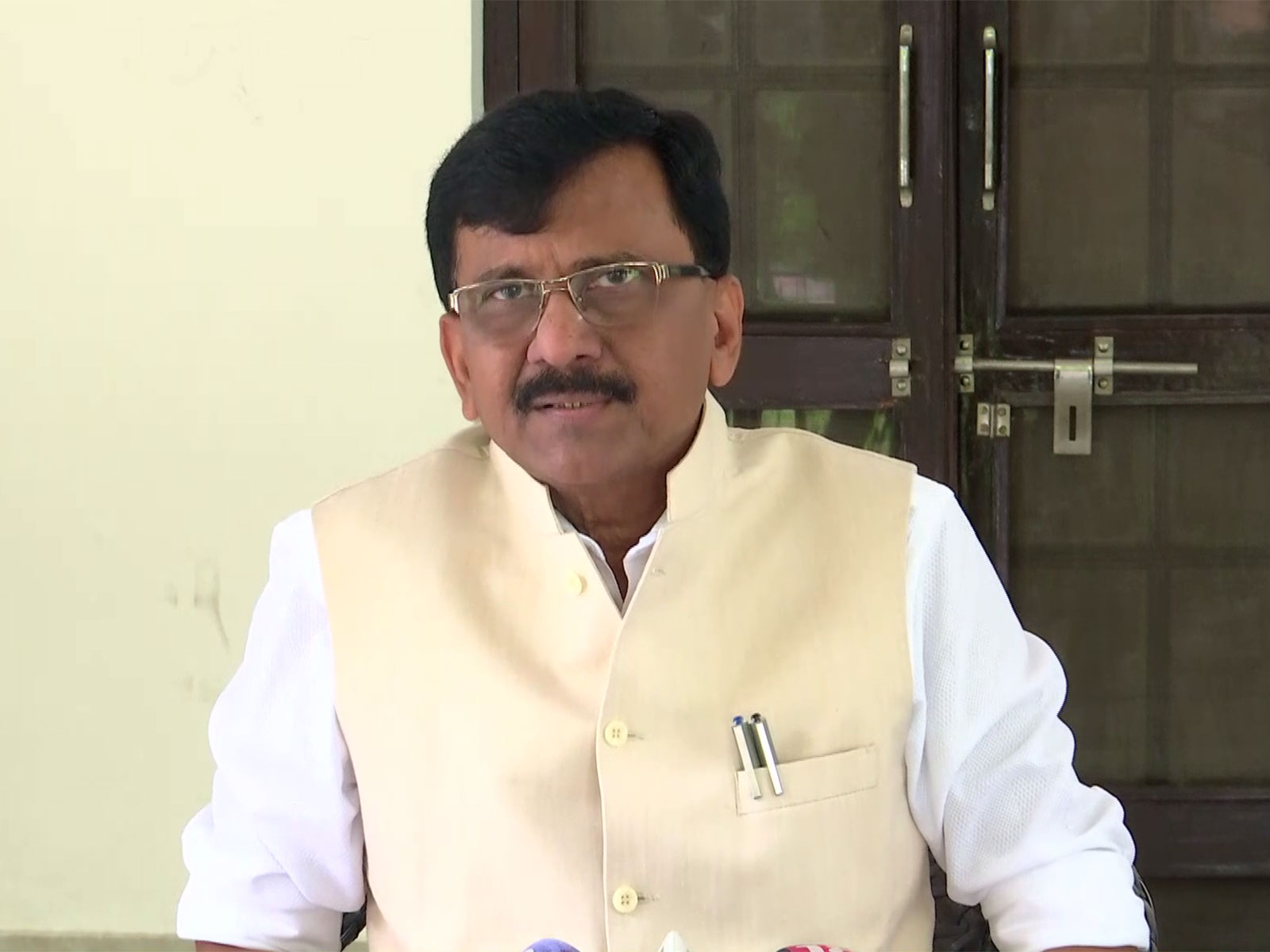
Shiv Sena (UBT) leader and Rajya Sabha MP Sanjay Raut has launched a sharp attack on the Maharashtra government, alleging that more than 2,000 government schools have been shut down in the state and accusing the administration of failing to protect the education system.
Speaking to reporters on Wednesday, Raut claimed that the closure of such a large number of government schools reflected the government’s lack of seriousness towards education. He argued that Maharashtra, which has historically been regarded as one of India’s leading states in the field of education, was facing a serious decline under the current administration.
Raut’s allegations were directed at the government led by Chief Minister Eknath Shinde and also targeted the Bharatiya Janata Party (BJP). The Shiv Sena (UBT) leader alleged that the problems facing the state’s education system went beyond school closures and included what he described as widespread corruption and administrative irregularities within the Education Department.
According to Raut, the reported closure of over 2,000 government schools should be viewed as a matter of serious concern because government-run institutions play an important role in providing access to education for children from economically weaker families and rural communities. He questioned how the state could maintain its educational standards if schools serving local communities were being shut down.
“Maharashtra has historically been a leading state in education,” Raut said, while criticising the government’s handling of the sector. He argued that the alleged closure of thousands of schools demonstrated what he described as the government’s approach towards a subject as important as education.
The issue of school closures has wider implications for students and families, particularly in rural and remote areas. When government schools are closed or merged, students may have to travel longer distances to attend classes, potentially creating additional difficulties for families with limited financial resources. Such developments can also raise questions about school accessibility, teacher availability and the broader implementation of education policies.
However, Raut’s claim regarding the number of schools that have allegedly been shut down was made as part of his political criticism of the government. The statement, as reported, was not accompanied by detailed official data in the remarks cited. The exact number, reasons for individual school closures and the government’s position on the allegation would therefore require verification through official records.
Raut alleges corruption in Education Department
In addition to raising concerns over school closures, Raut made serious allegations about the functioning of Maharashtra’s Education Department. He claimed that official files concerning school recognition and other administrative matters were not being processed without the alleged exchange of money.
The Shiv Sena (UBT) leader described the department as being affected by what he characterised as a culture of bribery. He alleged that corruption had become a major problem in the administration of education-related matters in the state.
Raut also alleged that a financial scam involving crores of rupees was taking place under the watch of the Chief Minister. These are serious allegations, but they remain claims made by the opposition leader and were not independently established in the statements reported.
The allegations add another dimension to the political confrontation between the ruling alliance and the opposition in Maharashtra. Education has increasingly become a politically sensitive issue, with questions surrounding government schools, recruitment, examination systems and administrative transparency frequently becoming subjects of debate. 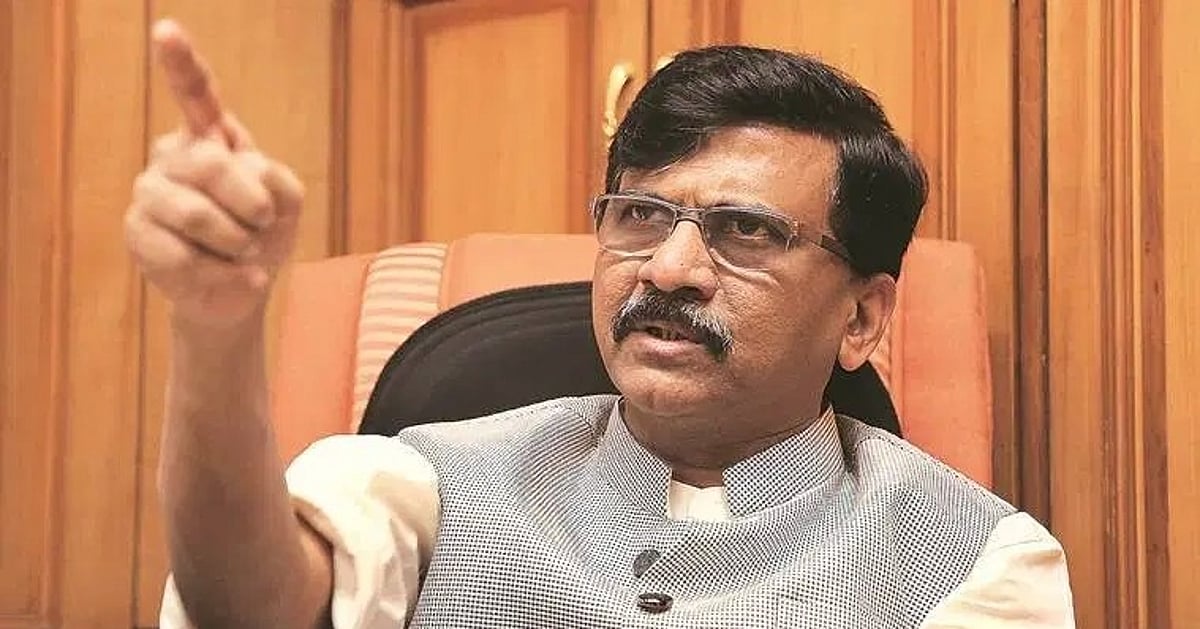
Paper leaks also come under attack
Raut also raised concerns about the alleged frequency of examination paper leaks in Maharashtra. He claimed that question papers were being leaked regularly, arguing that such incidents could undermine public confidence in the state’s examination system.
Paper leaks are a particularly sensitive issue because they can affect thousands of students preparing for competitive and academic examinations. Any such incident can lead to uncertainty among students, financial losses for families and questions about the security arrangements surrounding examination papers.
Raut’s remarks also connected the issue to the wider controversy surrounding irregularities linked to the National Eligibility-cum-Entrance Test (NEET-UG). He alleged that individuals involved in the controversy had political connections and claimed that several of those allegedly responsible came from Maharashtra, including areas such as Pune and Latur.
The claims made by Raut were directed at the BJP, but no independent evidence establishing the allegations was provided in the reported remarks. The allegations should therefore be viewed in the context of the ongoing political debate over examination integrity and the functioning of education authorities.
Education becomes another flashpoint in Maharashtra politics
Raut’s comments come amid continued political disagreements between the ruling alliance and opposition parties in Maharashtra. The education sector has emerged as one of several issues over which the opposition has sought to challenge the government.
The allegations concerning school closures, corruption and examination paper leaks collectively point to broader questions about governance and accountability in the education system. For students and parents, however, the immediate concerns are more practical: access to schools, quality of teaching, transparency in examinations and confidence in the institutions responsible for education.
Government schools remain particularly important for children from low-income households and communities in rural parts of the state. Any reduction in the number of functioning schools can potentially affect access to education, although the reasons for individual closures can vary and may include factors such as low enrolment, infrastructure limitations, administrative restructuring or school consolidation.
The political debate over the issue is therefore likely to continue, with the opposition demanding greater accountability and the government expected to provide factual clarification regarding the number of schools closed and the reasons behind such decisions.
Raut’s latest criticism places the Maharashtra government’s education policies under renewed scrutiny. While his allegations have intensified the political debate, the broader questions surrounding school closures, alleged corruption and examination security will ultimately depend on official data, investigations and responses from the state authorities.
For now, the controversy highlights the importance of transparency in the management of public education. As political parties trade accusations, students, parents and teachers remain the key stakeholders affected by decisions taken within the state’s education system.