
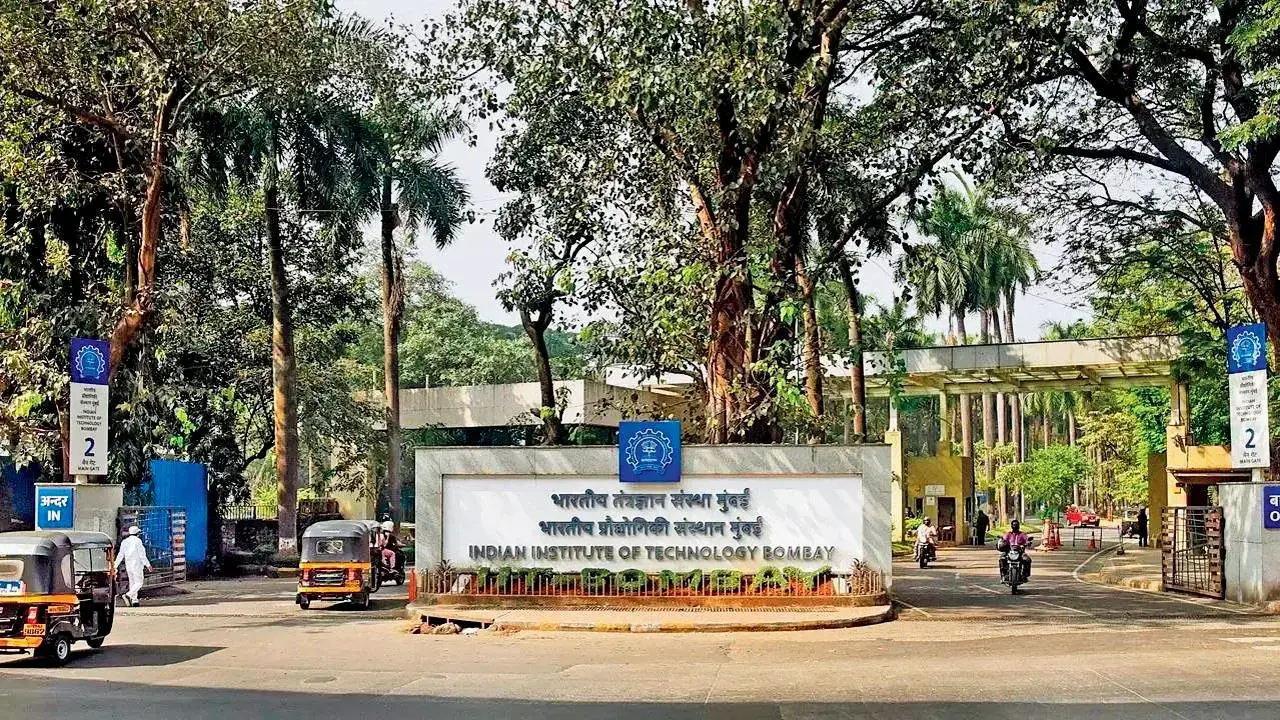
A 20-year-old second-year student at the Indian Institute of Technology Bombay was found dead inside his hostel room on the institute’s Powai campus, prompting a police investigation into the circumstances surrounding his death.
The student, who was originally from Rajasthan, was reportedly found unresponsive in his room on Tuesday night after his parents became concerned when he stopped answering their calls. According to police, the incident came to light after repeated attempts to contact him failed and his family alerted security personnel at the campus.
Police said the student had been seen attending classes and moving around the campus earlier in the day. However, he reportedly stopped responding to calls from his parents after around 5 pm. His family attempted to reach him again later in the evening, but there was still no response.
At approximately 10.30 pm, the student’s parents contacted officials associated with the institute’s security system, following which personnel went to check on him. The room was found locked from the inside. The circumstances led authorities to intervene and the student was subsequently found dead inside.
The police have registered an accidental death report under Section 194 of the Bharatiya Nagarik Suraksha Sanhita, 2023, and have begun examining the circumstances that preceded the incident. The student’s family has also been informed about the death.
Officials have clarified that no suicide note was recovered from the hostel room. As a result, investigators are examining multiple possibilities and attempting to establish what may have happened during the period between the student’s last known activities and the discovery of his body.
According to the police, the student may have died sometime between 5 pm and 10.30 pm. Investigators are expected to examine available evidence, statements from people who knew the student and other relevant circumstances as part of the inquiry.
There has also been speculation among some students about the possibility that emotional distress linked to a personal relationship may have played a role. However, this has not been officially established by the police, and authorities are continuing to investigate all possible angles before reaching any conclusion regarding the cause or circumstances of the death.
The incident has raised fresh concerns among students about mental health and emotional wellbeing on highly competitive academic campuses. Students reportedly questioned whether existing support mechanisms are sufficient to identify and assist individuals who may be experiencing severe emotional or psychological distress.
The death is also being viewed in the context of an ongoing national conversation about student wellbeing at premier educational institutions. The latest incident is reportedly the second such case involving a second-year student at the IIT Bombay campus this year, according to the report.
Following earlier incidents, the institute has repeatedly highlighted the availability of counselling and mental health services for students. These include individual counselling, wellness programmes and other support mechanisms intended to help students cope with academic pressure, personal difficulties and the challenges associated with life on campus.
Over the years, several measures have been introduced across IIT campuses to strengthen student wellbeing. These initiatives have included counselling facilities, wellness workshops, peer-support programmes and activities focused on mental and emotional health. At IIT Bombay, senior students have also been involved in peer mentoring initiatives, while programmes involving yoga, meditation, counselling and community-based wellbeing activities have been promoted.
The institute has also worked on initiatives aimed at helping new students adjust to the academic and social environment of campus life. Such measures are intended to make the transition into a demanding educational setting smoother and provide students with avenues to seek assistance when they face difficulties.
Despite these efforts, concerns over student mental health continue to remain a serious issue across India’s premier educational institutions. Data obtained under the Right to Information Act reportedly indicated that 65 students died by suicide across IITs between 2021 and 2025, highlighting the scale of the wider concern surrounding student wellbeing.
Experts and education stakeholders have repeatedly stressed the importance of creating an environment where students feel comfortable seeking support without fear of stigma or judgment. Early intervention, accessible counselling and stronger peer networks are often considered important components of an effective student support system.
At the same time, investigators in the present case are yet to determine the exact circumstances that led to the student’s death. Police have not confirmed a definitive motive and are examining all relevant aspects of the case.
The incident has left the campus community deeply concerned and has once again brought attention to the pressures that students may face while pursuing demanding academic programmes. As the investigation continues, authorities are expected to establish a clearer account of the events leading up to the student’s death.
For now, police have maintained that the exact reason behind the death remains under investigation. The absence of a suicide note means that investigators will have to rely on available evidence and information gathered from the student’s surroundings, acquaintances and other relevant sources to determine what happened.
The case has also renewed calls for educational institutions to strengthen mental health support and ensure that students in distress can access timely and confidential assistance. While the investigation will determine the circumstances of this particular death, the incident has once again highlighted the need for continued attention to student welfare and emotional wellbeing on university campuses.