
Vijeta Dahiya has spoken out after being removed from his position as spokesperson of the Cockroach Janta Party (CJP), claiming that he was made a “scapegoat” following a controversy over a viral video that allegedly showed him eating a burger while a protest march was underway in Delhi.
The controversy erupted after a video circulated on social media, purportedly showing Dahiya at a fast-food outlet during a Parliament march organised by the CJP. The video drew criticism from social media users, who questioned his absence from the protest site at a time when demonstrators were reportedly facing police action, including detention and alleged lathi charges.
Dahiya has now offered his account of the events, saying he was deeply hurt by the decision to remove him and insisting that he had actively participated in the protest movement in the days leading up to the controversy.
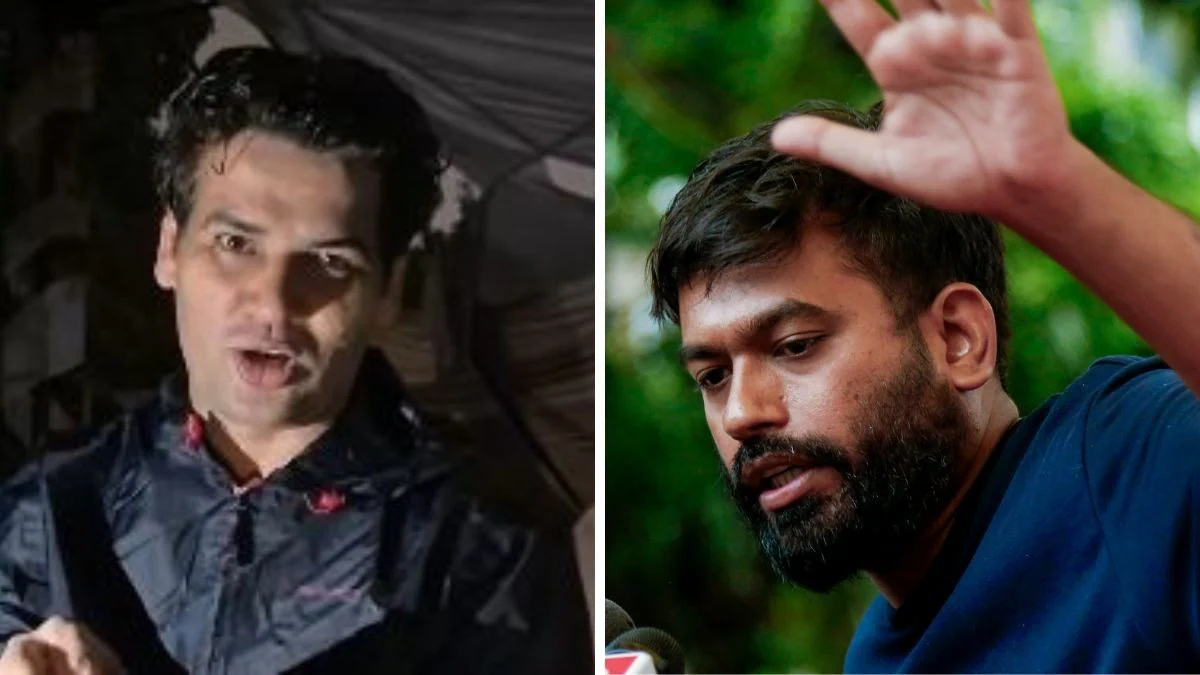
In a video message shared on social media, Dahiya recalled receiving a phone call from CJP convenor Abhijeet Dipke as he was preparing to return to the protest site at Jantar Mantar. According to Dahiya, he initially believed the call was intended to express solidarity with him after he had faced criticism and alleged heckling.
Instead, Dahiya said he was asked not to return to the protest location.
He claimed that Dipke and another CJP spokesperson, Ashutosh Ranka, told him not to come to Jantar Mantar because the “burger matter” had become an issue. Dahiya said the conversation left him feeling betrayed, particularly because he believed he had stood by the organisation and its leadership during earlier controversies.
Dahiya says he was ‘made a scapegoat’
Reflecting on his removal, Dahiya said he felt that he had been made responsible for a controversy that had quickly gained traction online.
He maintained that he had been actively defending the CJP against what he described as propaganda and criticism on social media. According to him, his removal came despite his efforts to support the organisation and respond to allegations and criticism directed at its members.
Dahiya also referred to previous controversies involving Dipke, including a viral video in which the CJP convenor was seen eating kachori and another incident involving his appearance on a truck during a protest march.
Dahiya said he had defended Dipke during those episodes and argued that the same level of understanding should have been extended to him.
He claimed that critics had repeatedly questioned Dipke’s conduct during the demonstrations, but that he had publicly defended him and attempted to counter what he considered misleading narratives surrounding the protests.
Claims he was present at Jantar Mantar before the march
Dahiya also disputed the impression that he had simply abandoned the protest to eat at a fast-food outlet.
According to his account, he had spent the previous two nights at the protest site and had remained involved in preparations amid concerns about possible police action. He said he had been moving around the protest location and was present before the planned march to Parliament began.
Dahiya claimed that the protest march had initially been scheduled to begin in the morning but was delayed. During that period, he said, he remained at Jantar Mantar along with other protesters.
He further said that the group later decided to participate in the march after becoming energised and that he joined others as they moved towards the Parliament area.
Dahiya also mentioned protesters who had been observing a fast and said they had remained involved in the demonstrations. According to him, the group eventually reached the Kerala House area, where protesters allegedly experienced the effects of tear gas.
He said the situation at the protest site was intense and that he had personally witnessed the difficulties faced by demonstrators. 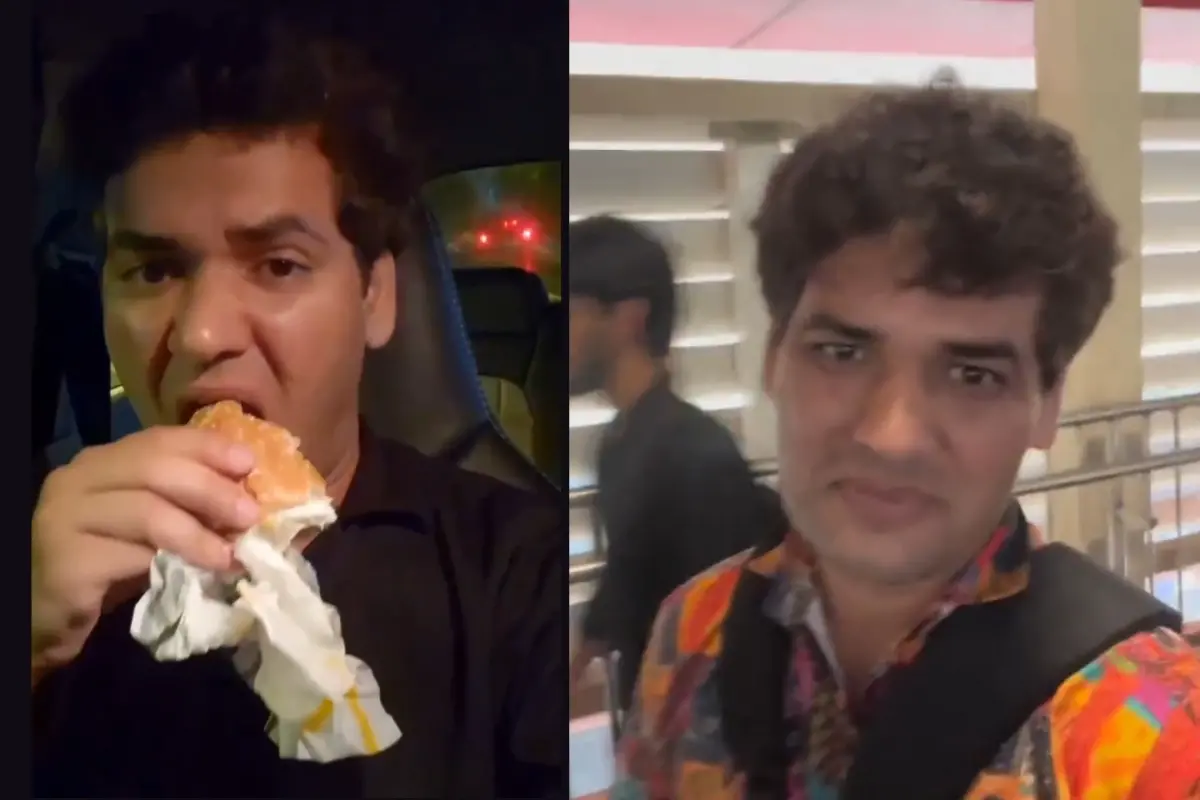
‘My heart broke,’ Dahiya says
Speaking about his removal, Dahiya said the decision had a significant emotional impact on him.
He described the experience as particularly painful because he believed he had remained committed to the organisation and had worked to defend it publicly. He also said that he had received calls from friends and acquaintances expressing concern for his safety following incidents during his travel to and from the protest site.
Dahiya alleged that he had faced heckling and hostile behaviour during the period surrounding the demonstrations. He said these incidents prompted people close to him to contact him and ask whether he was safe.
Against this backdrop, he said he had initially interpreted Dipke’s call as an attempt to reassure and support him. However, according to Dahiya, the conversation instead resulted in him being informed that he should stay away from the protest site because of the controversy surrounding the burger video.
Viral video becomes centre of dispute
The controversy surrounding Dahiya began after a video allegedly showing him eating a burger circulated widely online. The authenticity of the video has not been independently verified.
The footage nevertheless triggered a debate on social media, with critics questioning why a spokesperson associated with the protest movement was not present at the demonstration at the time.
The incident quickly became a subject of discussion within the CJP, eventually leading to Dahiya’s removal as spokesperson.
Dahiya, however, has sought to provide a broader account of his involvement in the protests, arguing that the viral clip did not represent his overall participation. He has emphasised that he had spent significant time at the protest site before the march and had remained involved in the movement.
His remarks also indicate growing tensions within the organisation over how the controversy was handled and who should be held responsible for the negative publicity.
Questions remain over CJP’s decision
Dahiya’s allegations have added another layer to the controversy surrounding the CJP protest and the internal decision to remove him from his spokesperson role.
While Dahiya has publicly described himself as a scapegoat, the dispute also highlights the growing influence of social media videos in shaping public perceptions of political and protest movements. A short video clip can quickly become a major controversy, particularly when it appears to contradict the public image or expectations associated with a protest.
In this case, Dahiya’s response suggests that he believes the viral video was used to shift attention away from the broader circumstances surrounding the protest and to place responsibility on him.
The episode has also raised questions about internal communication within the organisation and the manner in which public controversies are addressed. Dahiya’s account indicates that he expected support from the organisation’s leadership but instead learned that he had been removed from his position.
For now, the dispute remains centred on competing accounts of the events surrounding the protest, the viral video and Dahiya’s subsequent removal. His public response has sought to challenge the narrative that he was absent from the movement and to explain his version of what happened before and during the Parliament march.
The controversy is likely to continue generating discussion as questions remain about the circumstances behind the decision and the future role of those involved in the CJP’s protest activities.