
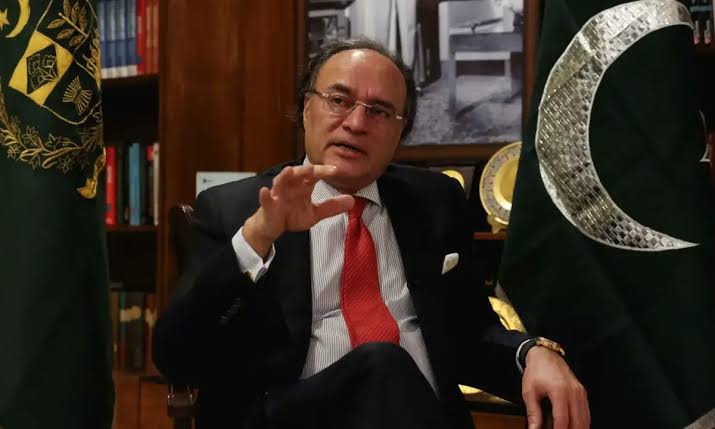
Pakistan has reportedly approached the United States with a proposal for a $10 billion exchange facility aimed at reinforcing its foreign exchange reserves and enhancing the country’s financial stability. The move comes as Islamabad continues to navigate persistent economic challenges, including pressure on its external accounts, currency volatility, and the need to maintain sufficient foreign exchange buffers.
The proposed arrangement is viewed as part of Pakistan’s broader strategy to secure additional external financial support while improving investor confidence and ensuring stability in international trade and financial transactions.
A Strategic Move to Reinforce Reserves
Foreign exchange reserves remain one of the most important indicators of a country’s economic health. Pakistan has experienced recurring pressure on its reserves in recent years due to rising import bills, external debt repayments, and fluctuations in global commodity prices.
By seeking a $10 billion exchange facility, Pakistani authorities hope to create an additional financial cushion that can help stabilize the country’s external sector. A stronger reserve position would enable the government and the central bank to better manage currency fluctuations, meet international payment obligations, and reduce financial uncertainty.
Economists generally view higher reserve levels as essential for maintaining market confidence, supporting the national currency, and ensuring uninterrupted trade financing.
Understanding the Proposed Exchange Facility
An exchange facility is typically designed to provide temporary access to foreign currency liquidity. Such arrangements can help countries manage short-term financial pressures without immediately drawing down existing reserves.
If approved, the proposed facility could provide Pakistan with greater flexibility in managing its foreign exchange requirements. It may also strengthen the country’s ability to respond to unexpected economic shocks or periods of increased capital outflows.
While the exact structure, duration, and operational details of the proposal have not been publicly disclosed, financial analysts believe such facilities can serve as an important safeguard during periods of economic uncertainty.
Economic Challenges Continue
Pakistan’s economy has faced significant headwinds over the past several years. High inflation, currency depreciation, elevated debt servicing costs, and limited foreign exchange availability have placed considerable strain on public finances.
The government has introduced multiple fiscal reforms and pursued external financing from various international partners to stabilize the economy. Securing additional financial support remains a priority as policymakers seek to maintain macroeconomic stability and encourage sustainable growth.
A larger reserve base could also improve Pakistan’s ability to finance imports of essential goods, including energy, industrial raw materials, and agricultural products, thereby supporting domestic economic activity.
Potential Impact on Financial Markets
Financial markets closely monitor developments related to a country’s foreign exchange reserves. News of additional financial support or enhanced liquidity mechanisms often influences investor sentiment and currency expectations.
If negotiations progress positively, the proposed facility could help reassure investors regarding Pakistan’s ability to meet its external obligations. It may also contribute to improved confidence in the country’s financial management framework.
However, analysts note that any long-term improvement in economic stability will depend on continued structural reforms, prudent fiscal management, export growth, and sustained investment.
Importance for Bilateral Economic Relations
The proposal also highlights the economic dimension of relations between Pakistan and the United States. Financial cooperation between the two countries has historically included trade, investment, development assistance, and broader economic engagement.
Should the exchange facility move forward, it could represent another step in strengthening financial cooperation while supporting Pakistan’s efforts to stabilize its economy during a challenging global economic environment.
Awaiting Further Developments
At present, officials have not announced any final agreement regarding the proposed $10 billion exchange facility. Discussions are understood to be at an early stage, and additional negotiations would likely determine the final structure, terms, and implementation timeline.
Market participants, investors, and policymakers will closely watch future developments, as any progress could have important implications for Pakistan’s foreign exchange position, economic outlook, and financial stability in the months ahead.