
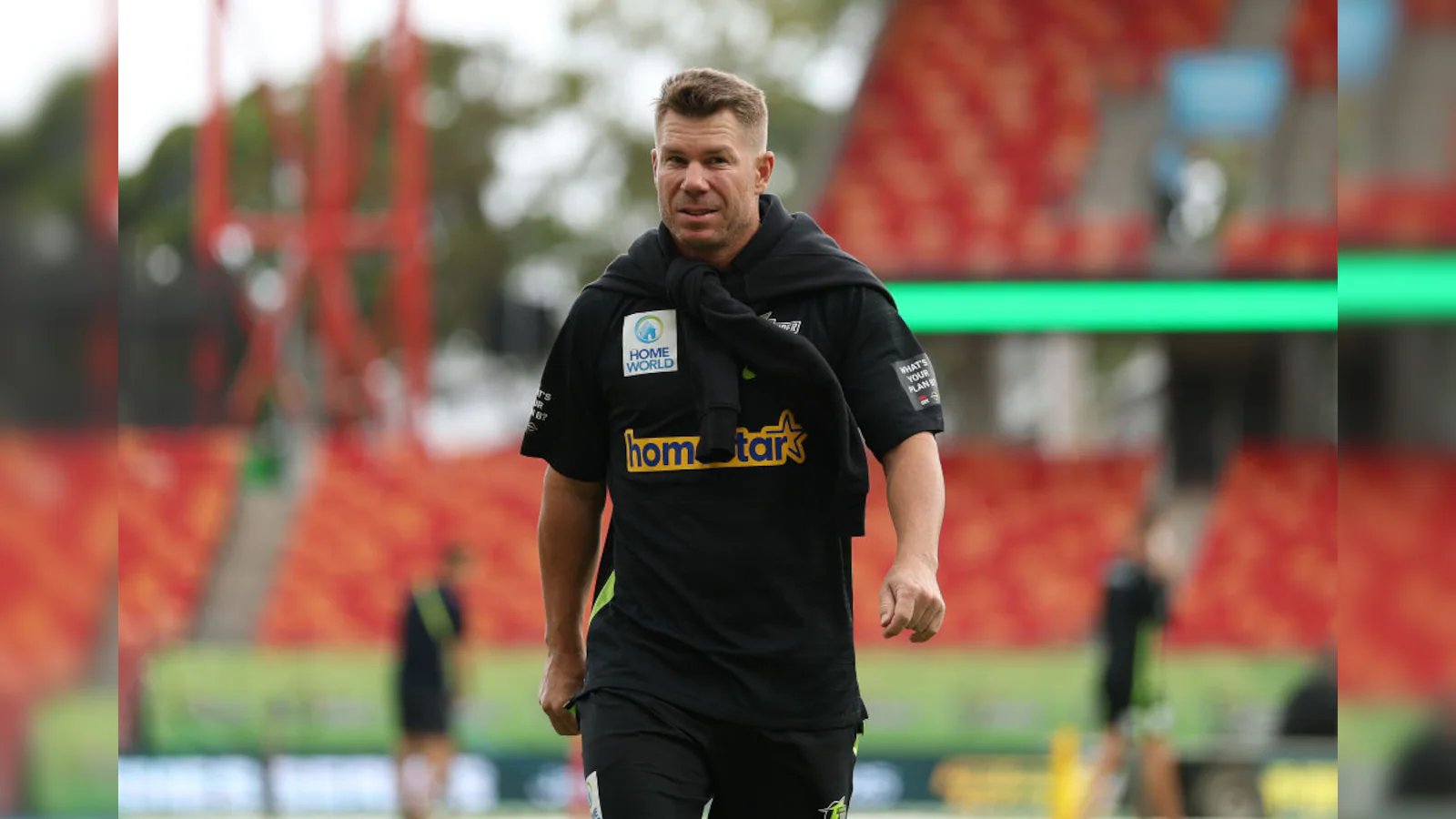
Former Australian cricket star David Warner has pleaded guilty to a drink-driving offence after being stopped by police in Sydney, marking an unfortunate off-field incident involving one of Australia’s most celebrated cricketers. The case concluded with the court imposing a financial penalty and a temporary suspension of his driving privileges.
The incident has attracted significant public attention due to Warner’s high-profile status in international cricket. While the offence did not involve any accident or injuries, authorities stressed that drink driving remains a serious breach of road safety laws and is treated accordingly under Australian legislation.
Court Proceedings
Warner appeared before a local court, where he admitted to the charge of driving with a blood alcohol concentration above the legal limit. His guilty plea allowed the matter to be resolved without a contested hearing.
The court imposed a monetary fine and ordered a temporary driving disqualification. The penalty reflected the nature of the offence and Warner’s admission of guilt, while also reinforcing the legal consequences associated with drink driving.
Officials noted that Warner cooperated with law enforcement during the process, and there were no reports of reckless driving, collisions, or injuries linked to the incident.
The Incident
According to authorities, Warner was stopped by police during a routine roadside operation in Sydney. Officers conducted a breath test, which indicated that his blood alcohol level exceeded the legal limit permitted for drivers.
Following the roadside test, Warner underwent the required legal procedures before being formally charged with the offence. He later accepted responsibility by entering a guilty plea in court.
Police have not indicated any aggravating circumstances beyond the offence itself, and the matter was handled under standard legal procedures applicable to drink-driving cases. 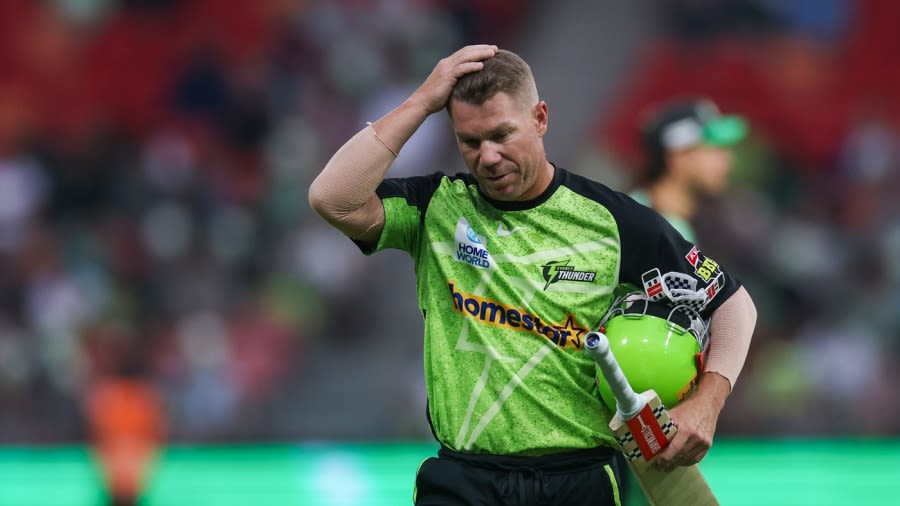
Legal Consequences of Drink Driving
Australian road safety laws impose strict penalties on motorists found driving under the influence of alcohol. Depending on the blood alcohol reading, previous driving history, and other circumstances, penalties can include fines, licence suspensions, mandatory education programs, and, in more serious cases, imprisonment.
Authorities continue to conduct regular roadside breath-testing campaigns to discourage impaired driving and reduce alcohol-related road accidents.
Road safety experts frequently highlight that even relatively low levels of alcohol consumption can impair judgment, reaction time, and driving ability, increasing the risk of crashes.
Impact on Warner’s Public Image
Warner retired from international cricket after an illustrious career that included major achievements across Test, One-Day International, and T20 formats. Although he remains active in franchise cricket around the world, the legal case has drawn attention away from his sporting accomplishments.
Public figures often face greater scrutiny over personal conduct because of their influence and visibility. While the offence does not relate to Warner’s professional cricket activities, it has generated discussion regarding responsible behaviour and adherence to road safety regulations.
There has been no indication that the incident will affect his eligibility to participate in domestic or international franchise competitions.
Road Safety Message
Law enforcement agencies continue to urge motorists to avoid driving after consuming alcohol and to use alternative transportation whenever necessary. Officials maintain that strict enforcement of drink-driving laws is essential to improving road safety and preventing avoidable tragedies.
Warner’s case serves as a reminder that traffic laws apply equally to all individuals, regardless of their public profile or profession, and that violations carry legal consequences designed to promote safer roads for everyone.