
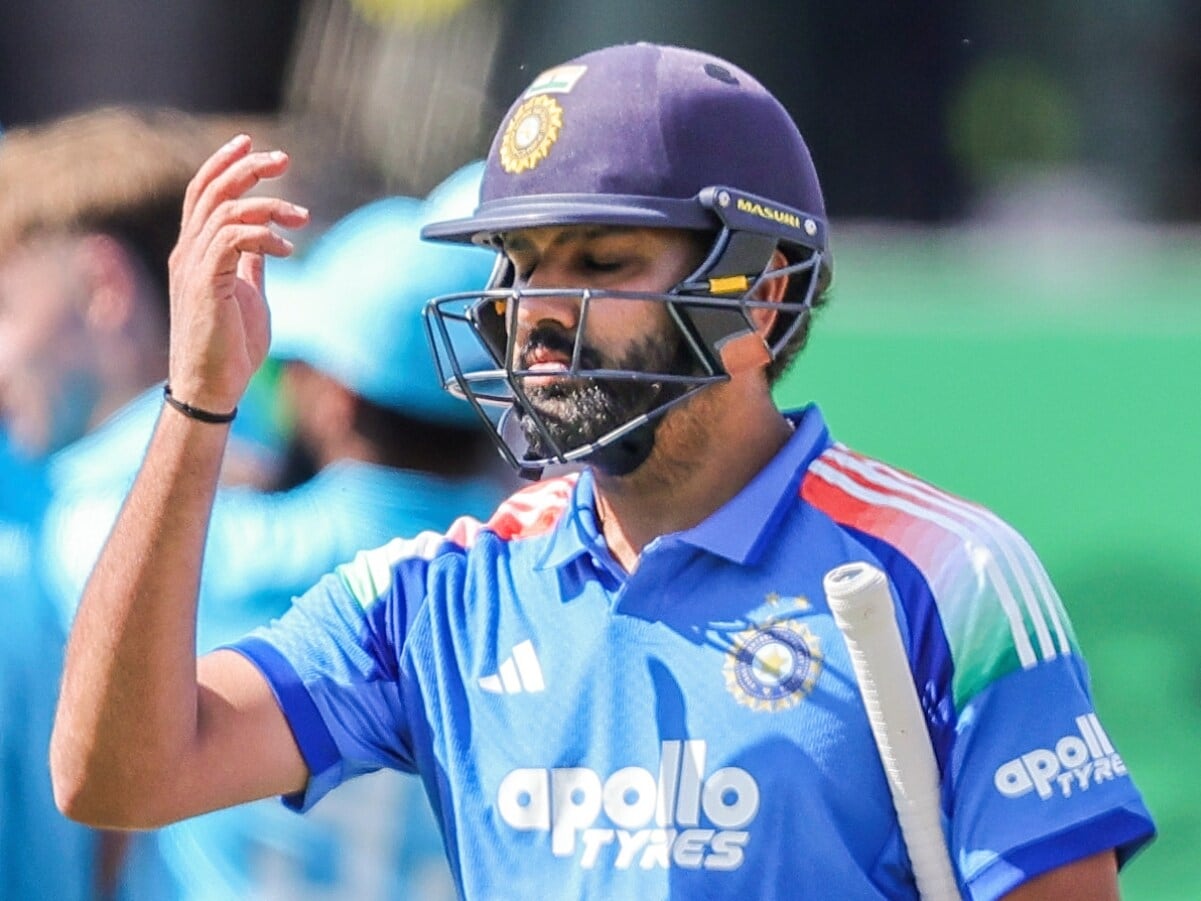
India’s victorious T20 World Cup campaign marked the perfect ending to one of the most remarkable careers in the shortest format of international cricket. For Rohit Sharma, lifting the ICC T20 World Cup trophy was not only a historic achievement but also the final chapter of his T20 International journey.
Although the experienced opener delivered everything expected of a captain and senior batter, the changing priorities of Indian cricket eventually paved the way for a younger generation. The combination of long-term planning by the selection committee, a fresh coaching philosophy, and the emergence of promising young talents has effectively closed the door on any possibility of Rohit returning to the T20I setup.
A Dream Fulfilled Before Saying Goodbye
Rohit Sharma entered the 2024 T20 World Cup carrying immense expectations. After years of disappointment in ICC tournaments, he led India with determination and composure, helping the team secure the coveted title.
His leadership throughout the tournament was praised for its calmness, tactical awareness, and aggressive approach. On the batting front, Rohit also contributed crucial runs, proving that he remained one of India’s most dependable performers despite being in the latter stages of his career.
Winning the World Cup gave Rohit the ideal opportunity to retire from T20 Internationals on a high note, leaving behind an extraordinary legacy that includes multiple ICC tournaments and countless memorable performances.
A New Direction Under the Selection Committee
With Rohit’s retirement from T20Is, India’s selectors have shifted their attention toward preparing a squad capable of competing successfully in future global events.
Chief selector Ajit Agarkar has consistently emphasized the importance of building a team with a long-term outlook rather than relying solely on experienced stars. This strategy involves identifying young cricketers who can develop together over several years and peak at future ICC tournaments.
The selection panel believes that introducing fresh talent now will help India create a stable core ahead of upcoming World Cups, allowing younger players to gain valuable international experience.
This transition reflects a broader philosophy of balancing immediate success with sustainable team development.
Gautam Gambhir’s Vision for the Future
Since taking over as India’s head coach, Gautam Gambhir has expressed his intention to create a fearless and dynamic cricket team capable of adapting to modern T20 demands.
His approach places significant emphasis on aggressive batting, athletic fielding, tactical flexibility, and nurturing young match-winners who can perform under pressure.
Under this philosophy, opportunities are increasingly being provided to emerging players who fit India’s long-term plans. Rather than looking backward, the coaching staff appears focused on creating a squad that can dominate international cricket over the next several years.
This direction naturally reduces the likelihood of retired senior players making returns, regardless of their past achievements. 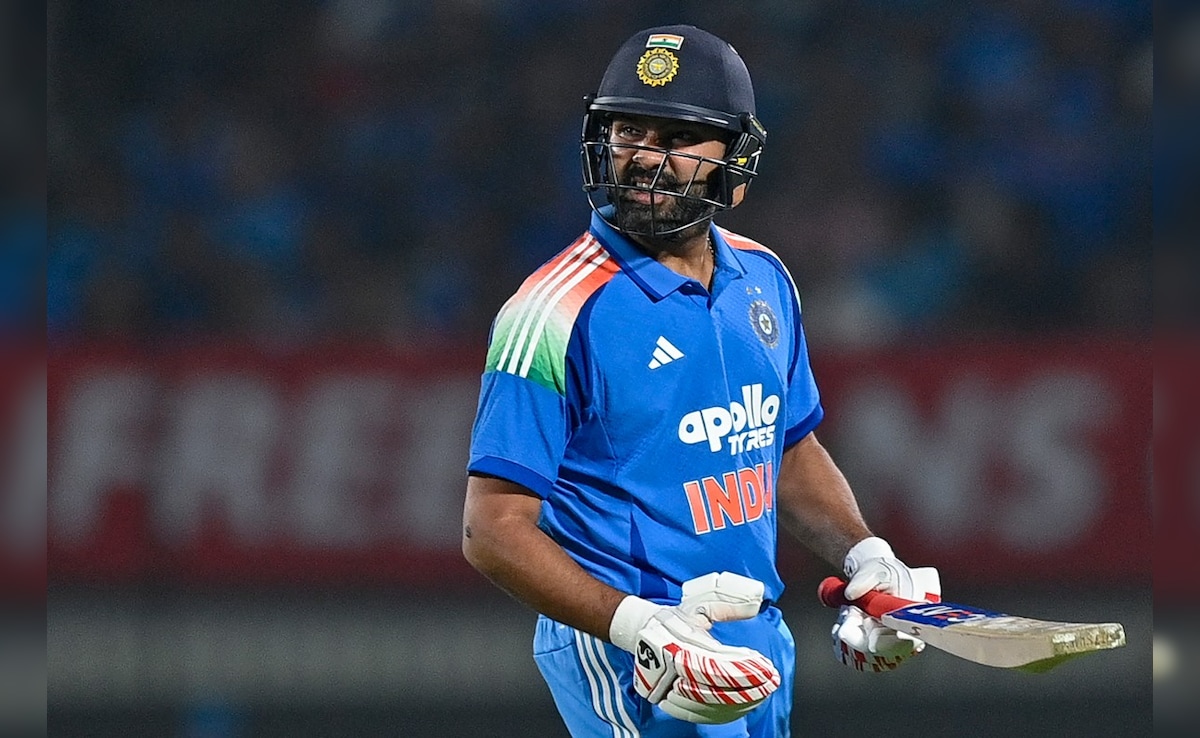
Yashasvi Jaiswal Emerges as the Future
Among the biggest beneficiaries of India’s transition is Yashasvi Jaiswal.
The talented left-handed opener has rapidly established himself as one of India’s brightest young batting prospects. His fearless stroke play, consistency, and ability to score quickly during the powerplay have made him an ideal fit for modern T20 cricket.
Selectors view Jaiswal as someone capable of serving Indian cricket for many years, making him a natural successor at the top of the batting order.
His impressive performances across domestic cricket, the Indian Premier League, and international matches have strengthened his position within India’s future plans.
As opportunities continue to come his way, the competition for opening spots has become increasingly difficult for senior players.
The Evolution of Indian Cricket
The transition from established stars to emerging talent has always been a defining feature of successful cricket teams.
India previously witnessed similar phases when younger players gradually replaced legendary names across different generations. While such decisions are often emotionally challenging, they remain essential for maintaining competitiveness at the highest level.
The current management appears committed to ensuring that India continues evolving without delaying difficult selection decisions.
Experienced players like Rohit Sharma have laid a strong foundation, allowing the next generation to build upon their achievements.
Rohit Sharma Leaves an Enduring Legacy
Rohit’s contribution to Indian T20 cricket extends far beyond statistics.
He played a vital role in transforming India’s white-ball approach, inspired teammates through his leadership, and remained one of the world’s most destructive opening batters for over a decade.
His ability to perform on the biggest stages, combined with his calm captaincy, earned widespread admiration from teammates, opponents, and cricket experts alike.
Ending his T20 International career as a World Cup-winning captain represents one of the finest conclusions any cricketer could hope for.
Looking Ahead
As Indian cricket moves into a new era, attention will increasingly focus on building a squad capable of sustaining success across future ICC tournaments.
Young players are expected to receive greater responsibility, while experienced leaders continue contributing in other formats where applicable.
Although Rohit Sharma’s chapter in T20 Internationals has officially come to an end, his impact on Indian cricket will continue to influence future generations. His leadership during India’s World Cup triumph and his years of consistent excellence ensure that his legacy remains firmly etched in the history of the game.
The transition may signal the beginning of a new phase for Team India, but it also serves as a reminder of the remarkable career of one of the country’s greatest white-ball cricketers, whose farewell came at the pinnacle of success.